
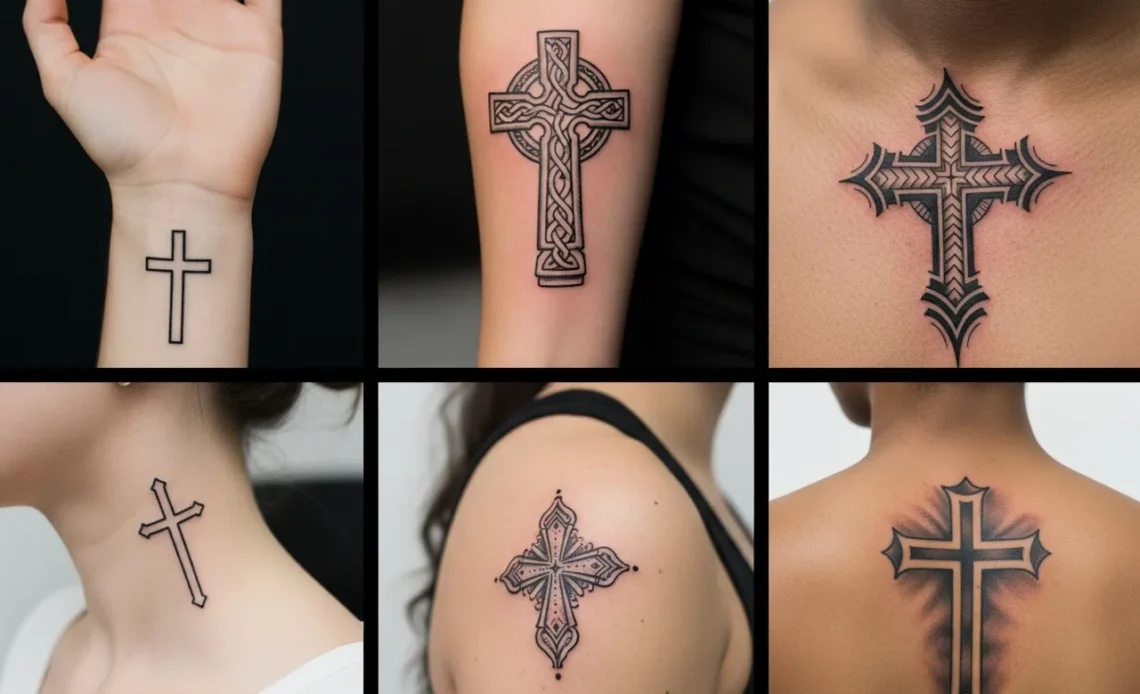
Cross tattoos have long stood as powerful symbols of faith, strength, and personal conviction. Whether you are drawn to their religious significance or appreciate their timeless aesthetic appeal, choosing the right placement for your cross tattoo can transform a simple design into a meaningful statement piece. The location you select not only affects the visibility of your tattoo but also influences its symbolic weight and personal connection to your life.
Understanding cross tattoo placement requires thoughtful consideration of multiple factors including pain tolerance, career constraints, design size, and personal lifestyle. Each body placement offers distinct advantages and carries unique implications for how you experience and display your tattoo over time. From subtle wrist designs that serve as daily reminders to bold chest pieces that declare unwavering devotion, the placement possibilities present endless opportunities for personal expression.
This comprehensive guide explores fifteen exceptional placement options for cross tattoos, examining what makes each location special and helping you determine which placement aligns best with your vision, values, and circumstances.
Wrist Cross Tattoo Placement
The wrist remains one of the most popular locations for cross tattoos, particularly for those seeking constant visual reminders of their faith or values. This placement works exceptionally well for smaller, minimalist designs that emphasize clean lines and simple elegance. The inner wrist offers more privacy while still allowing easy visibility to the wearer, whereas the outer wrist displays the tattoo more prominently to others.
Wrist cross tattoos typically measure between one to three inches, making them suitable for fine line work and delicate details. The area heals relatively quickly compared to more complicated locations and ranks moderately low on the pain scale. Many people choose to incorporate additional elements like dates, initials, or small scripture verses that wrap around the wrist alongside the cross.
The practical advantages of wrist placement include easy concealment with watches or bracelets when necessary for professional settings. However, frequent hand washing and daily activities mean these tattoos require diligent aftercare and may need touch ups over time to maintain their crisp appearance.
Forearm Cross Tattoo Placement
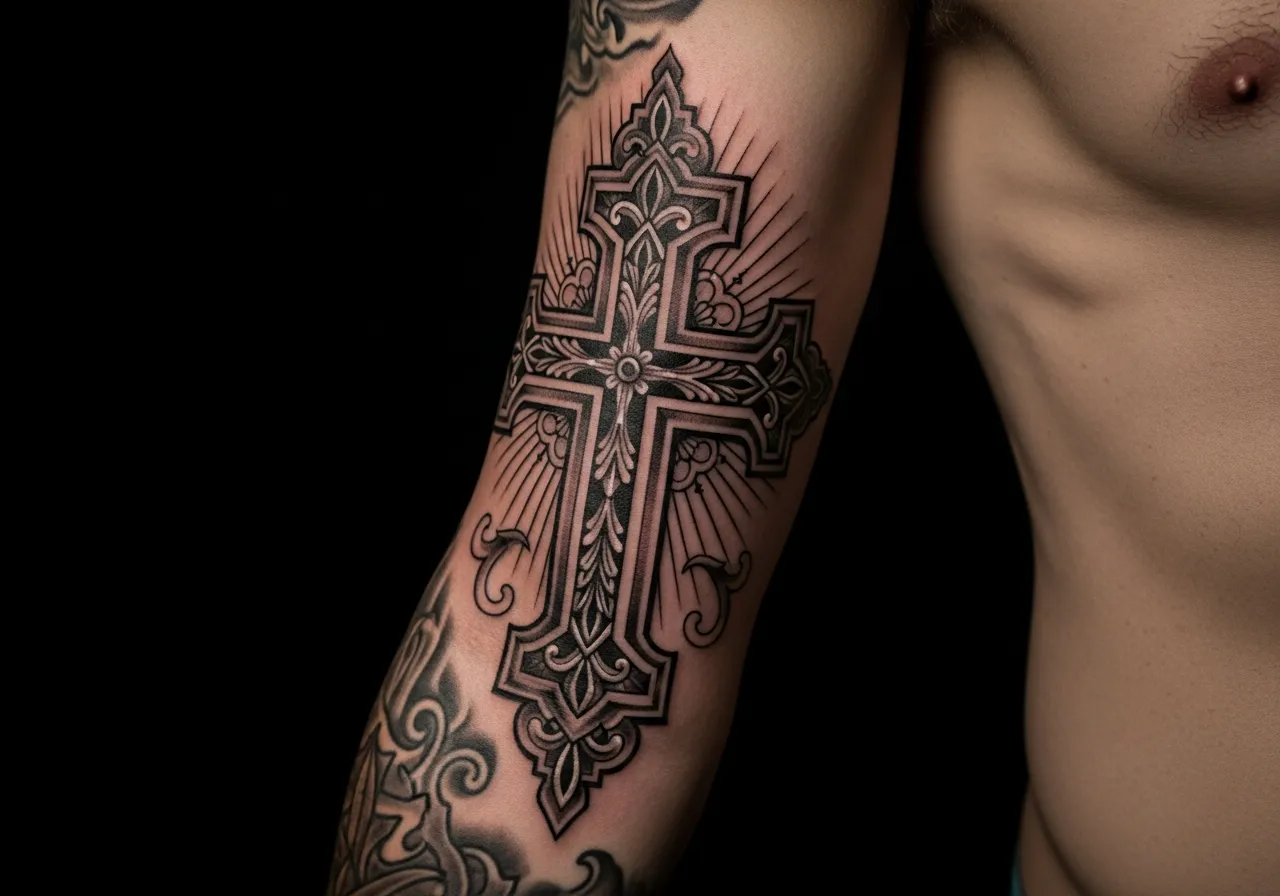
The forearm provides an excellent canvas for cross tattoos ranging from modest designs to elaborate artwork. This traditional masculine placement offers ample space for intricate details, shading techniques, and complementary elements like roses, wings, or scripture passages. The inner forearm displays the tattoo primarily to the wearer, while the outer forearm showcases it to the world.
Forearm tattoos benefit from the area’s cylindrical shape, which allows designs to follow natural body contours or wrap completely around the arm. The relatively low pain level makes this location ideal for first time tattoo recipients. The flat surface facilitates precise line work and enables artists to create realistic three dimensional effects through proper shading.
Many people choose forearm placement as the foundation for sleeve tattoos, gradually expanding their cross design upward toward the shoulder or downward toward the wrist. The forearm location also heals smoothly and maintains tattoo clarity well over time due to minimal skin stretching in this area.
Chest Cross Tattoo Placement
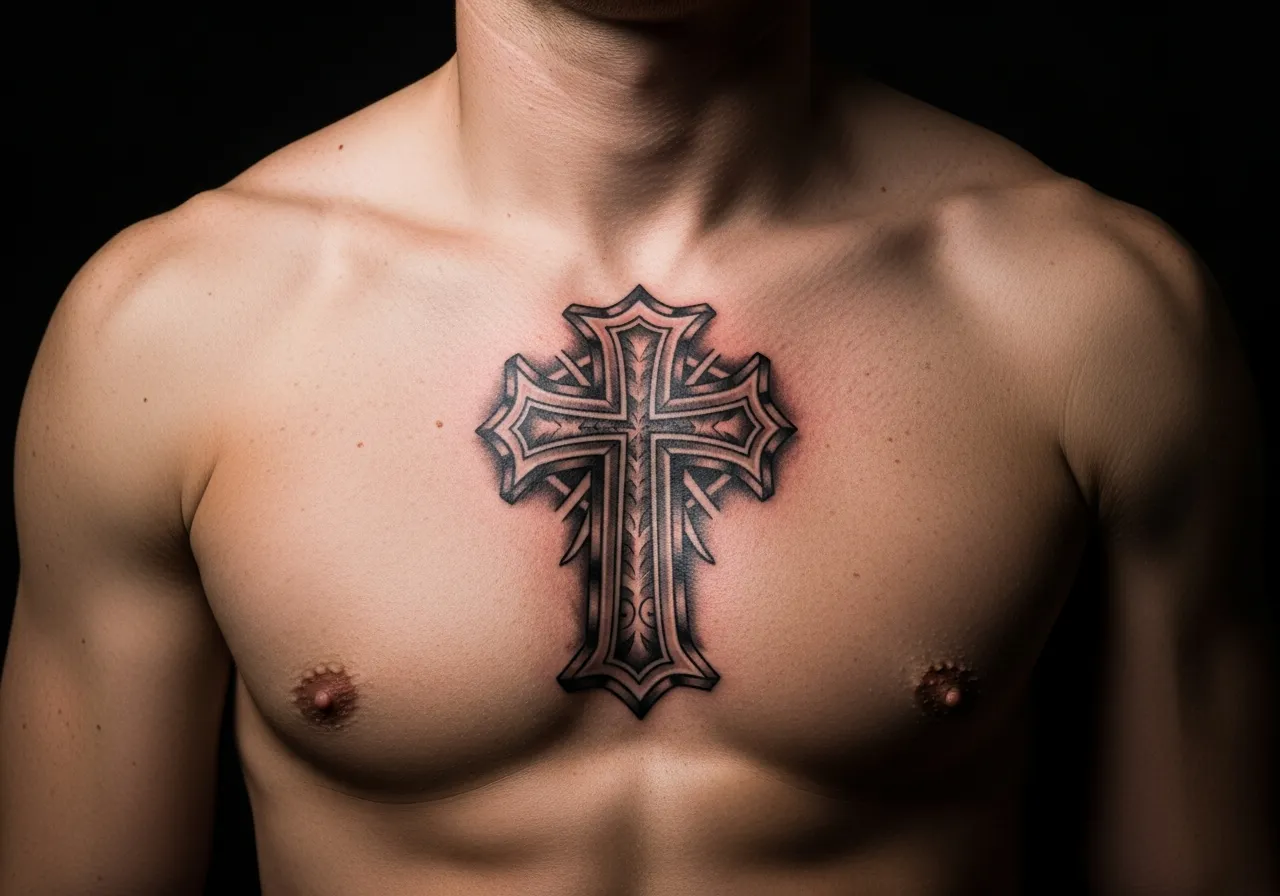
Chest placement holds profound significance for cross tattoos because of its proximity to the heart. This location symbolizes keeping faith close and central to one’s life. The broad, flat expanse of the chest accommodates both small minimalist crosses and large elaborate designs featuring surrounding elements like clouds, light rays, or religious imagery.
Men often position cross tattoos at the center of the chest, creating symmetrical compositions that emphasize balance and spiritual centeredness. The area provides substantial space for detailed artwork and allows for future expansion into larger pieces. However, the chest ranks higher on the pain scale, particularly near the sternum where bone sits close to the surface.
Despite increased discomfort during the tattooing process, many people consider chest placement worth the temporary pain for the lasting symbolic value. These tattoos can be easily concealed under clothing when desired or displayed prominently during appropriate occasions.
Back Cross Tattoo Placement
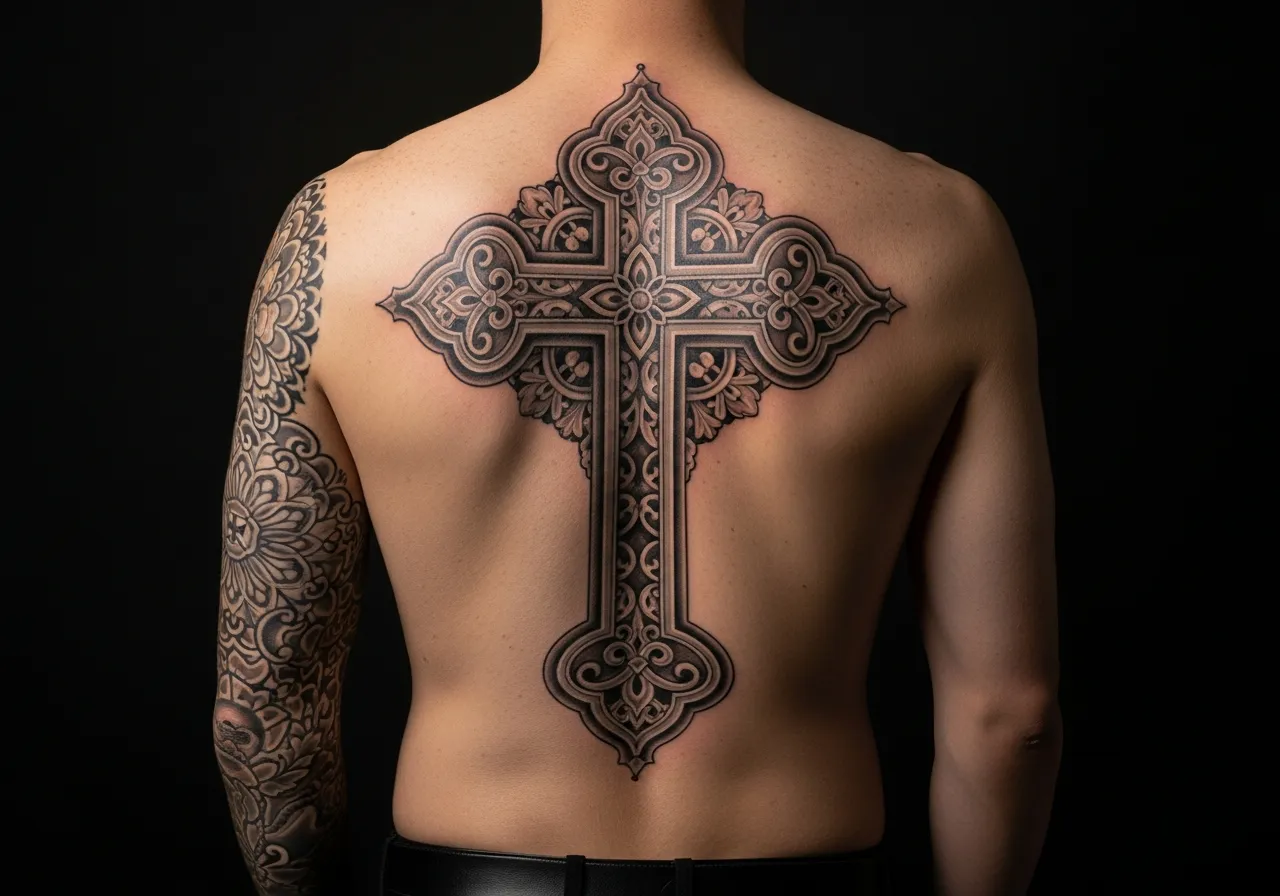
The back offers the largest available canvas for cross tattoo designs. This expansive area accommodates everything from simple outlines positioned between shoulder blades to massive intricate pieces spanning the entire back. The flat surface enables artists to create stunning compositions incorporating multiple symbols, detailed backgrounds, and complex shading techniques.
Back placement carries symbolic meaning related to strength and foundation, representing the core values that support your life. Large back pieces allow for creative freedom rarely possible in smaller locations. Artists can incorporate elaborate Celtic knotwork, realistic depictions of crucifixion scenes, or abstract interpretations that transform the cross into artistic masterpieces.
The back placement also provides privacy, as these tattoos remain hidden during daily activities and can be revealed only when desired. Pain levels vary across the back, with areas directly over the spine and shoulder blades causing more discomfort than the surrounding muscular regions.
Shoulder Cross Tattoo Placement
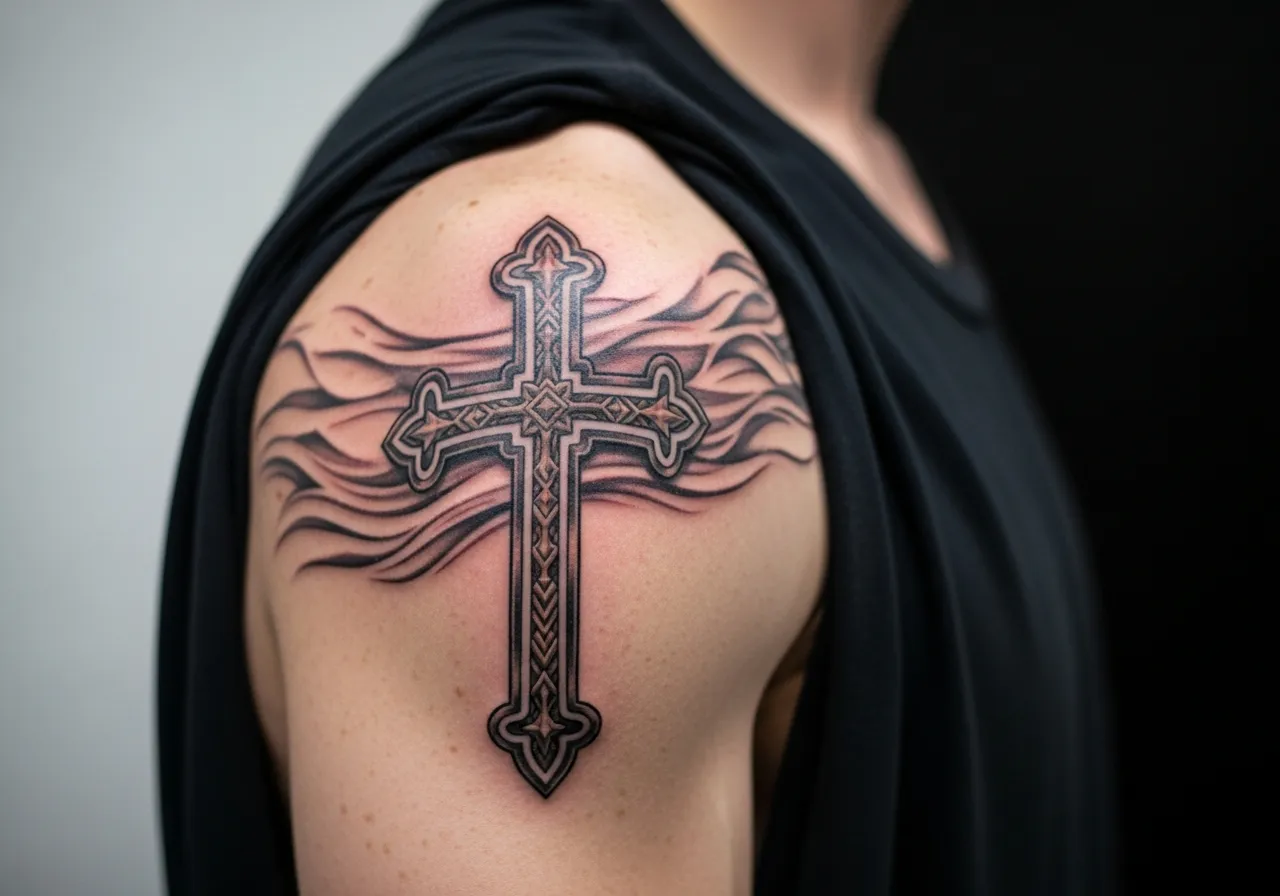
Shoulder placement combines visibility with versatility, making it popular for both small and large cross designs. The rounded contour of the shoulder naturally complements curved design elements and allows tattoos to drape elegantly across the body. Many cross tattoos positioned on the shoulder extend slightly onto the upper arm or toward the shoulder blade, creating dynamic flowing compositions.
The muscular padding in the shoulder area results in moderate pain levels during tattooing. This location works exceptionally well for designs incorporating wings, as the shoulder’s shape mimics natural wing placement. Shoulder cross tattoos remain easily concealable under most clothing but can be displayed with tank tops or sleeveless attire.
This placement also ages well, as the shoulder experiences less skin stretching compared to areas like the abdomen. The position allows for future expansion into larger pieces connecting with chest or back tattoos if desired.
Neck Cross Tattoo Placement
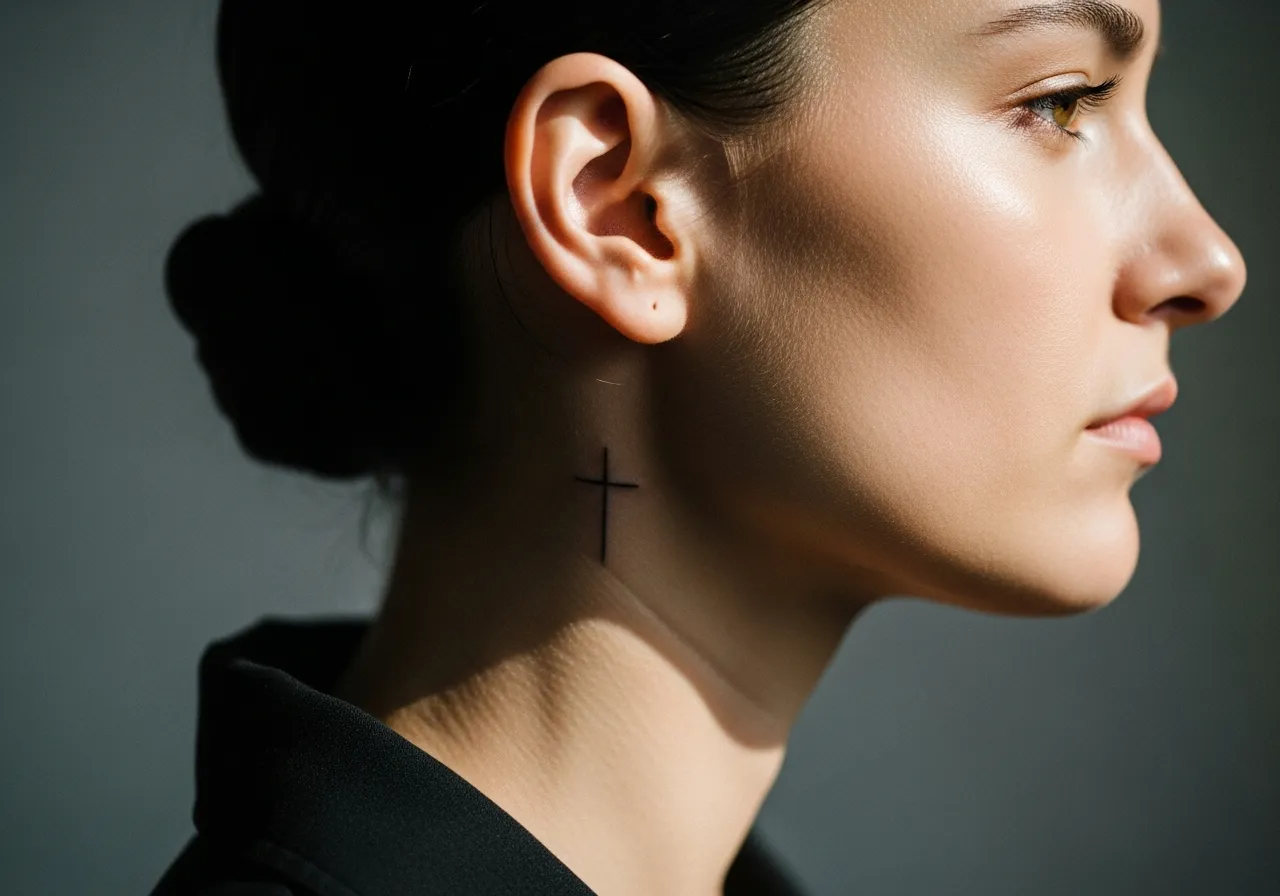
Neck cross tattoos make bold statements due to their high visibility and prominent positioning. These designs typically feature smaller dimensions to suit the limited space available, focusing on clean lines and simple forms. The side of the neck, nape, and area behind the ear all provide distinct placement options with varying levels of visibility.
Historically associated with rebellious aesthetics, neck tattoos have gained mainstream acceptance and now represent confidence and commitment to one’s beliefs. The thin skin and proximity to bone make neck placement relatively painful. The area also requires careful attention during healing to prevent infection and maintain tattoo quality.
Side neck placements can be partially hidden by longer hairstyles when necessary, while front neck tattoos remain constantly visible. Many people choose small minimalist crosses for this location, allowing the powerful symbolism to speak through understated elegance rather than elaborate design.
Behind the Ear Cross Tattoo Placement
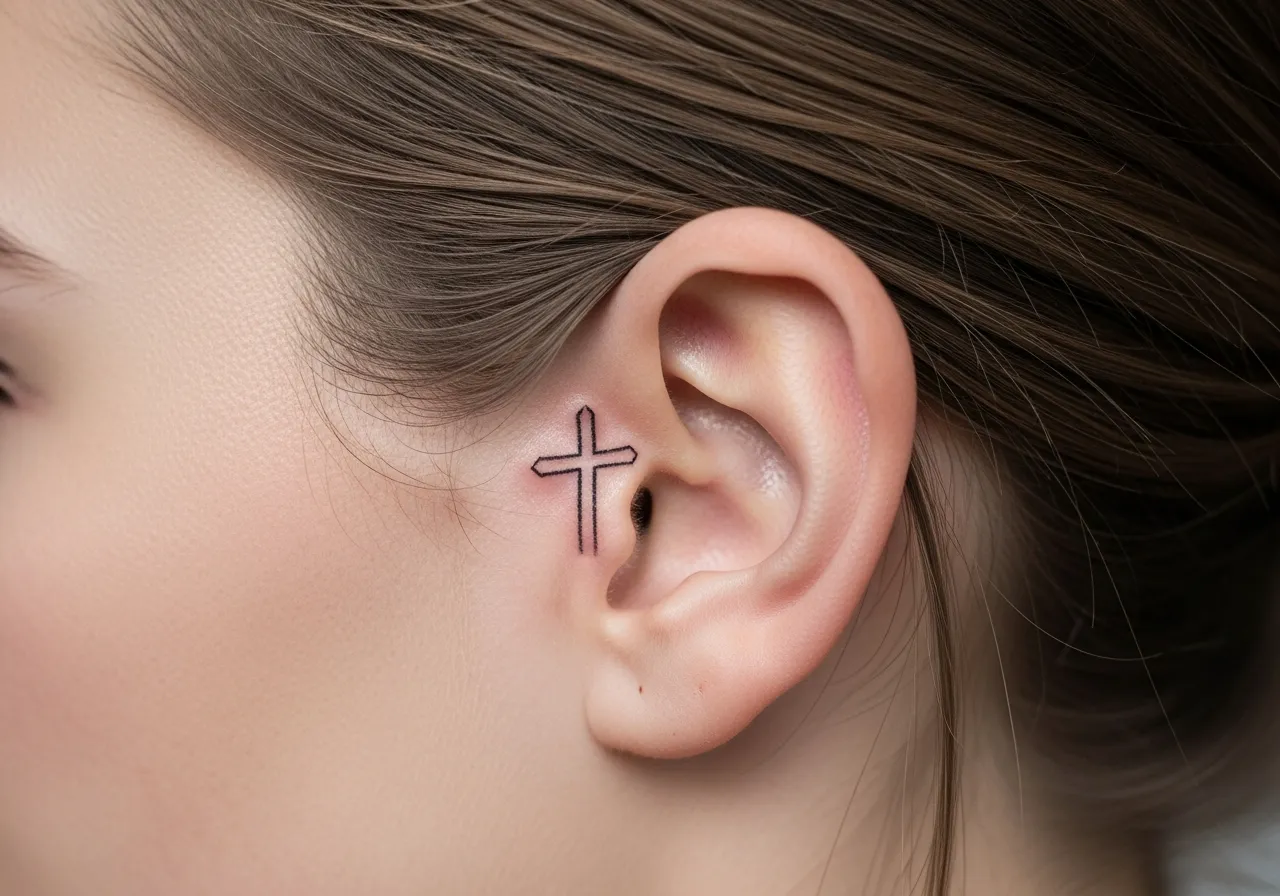
The area behind the ear offers an intimate and discreet location for small cross tattoos. This placement carries an element of personal privacy, as the tattoo remains hidden by hair most of the time yet can be revealed deliberately. The limited space requires simple designs emphasizing fine lines and minimal detail.
Behind the ear tattoos work particularly well for those wanting meaningful symbols without bold public displays. The location holds special significance as it sits near the head, symbolizing keeping faith close to your thoughts and consciousness. Pain levels tend higher in this area due to thin skin and proximity to bone.
These tattoos require skilled artists capable of working in tight spaces and executing precise line work. The healing process demands extra care to keep the area clean and avoid sleeping directly on the fresh tattoo. Despite these challenges, many people appreciate the subtle yet meaningful nature of this placement.
Upper Arm Cross Tattoo Placement
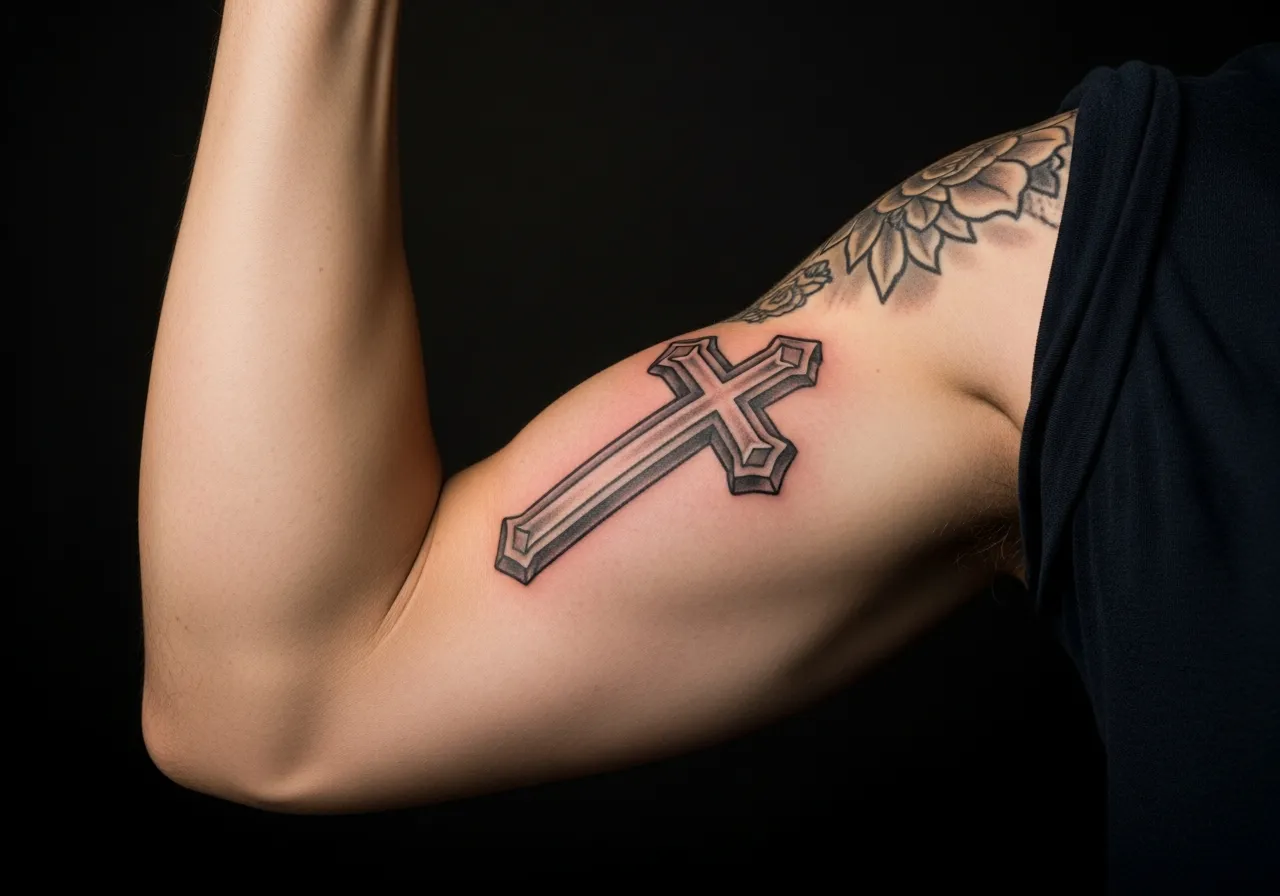
The upper arm provides a classic tattoo location that has remained consistently popular across generations. This area accommodates medium to large cross designs and allows for detailed artwork including shading, texture, and complementary imagery. The bicep and tricep areas offer rounded surfaces that enhance three dimensional design elements.
Upper arm placement typically causes less pain than bonier locations, making it suitable for longer tattoo sessions required by complex designs. The area heals well and maintains tattoo integrity over time. Many people choose this location for its balance between visibility and concealment, as short sleeves reveal the tattoo while long sleeves hide it.
The upper arm serves as an excellent starting point for sleeve tattoos, allowing gradual expansion of cross themed artwork down the forearm or up toward the shoulder. This versatile placement suits both traditional and contemporary design styles.
Finger Cross Tattoo Placement
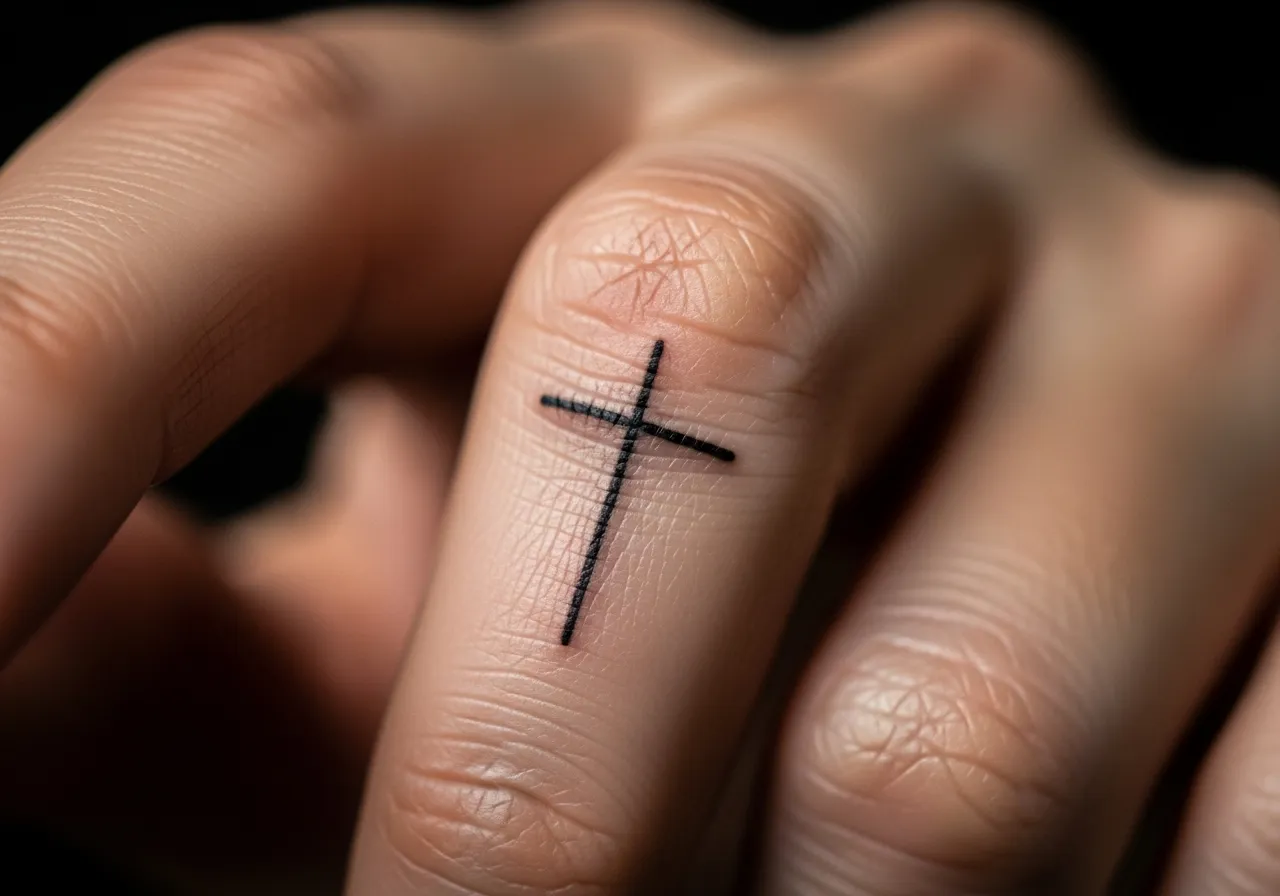
Finger cross tattoos represent commitment through their constant visibility and prominent positioning. These small designs typically feature simple line work due to the limited space and the tendency for fine details to blur over time on fingers. Many people choose the side of the finger or the area between knuckles for these minimalist crosses.
The right ring finger holds particular significance for some individuals, symbolizing spiritual commitment similar to how wedding rings represent marital devotion. Finger tattoos rank high on the pain scale due to thin skin directly over bone and numerous nerve endings in the hands.
These tattoos require frequent touch ups as constant hand use, washing, and exposure to elements cause faster fading than other locations. Despite maintenance needs, many appreciate finger crosses for their bold statement and unwavering visibility serving as constant faith reminders.
Ankle Cross Tattoo Placement
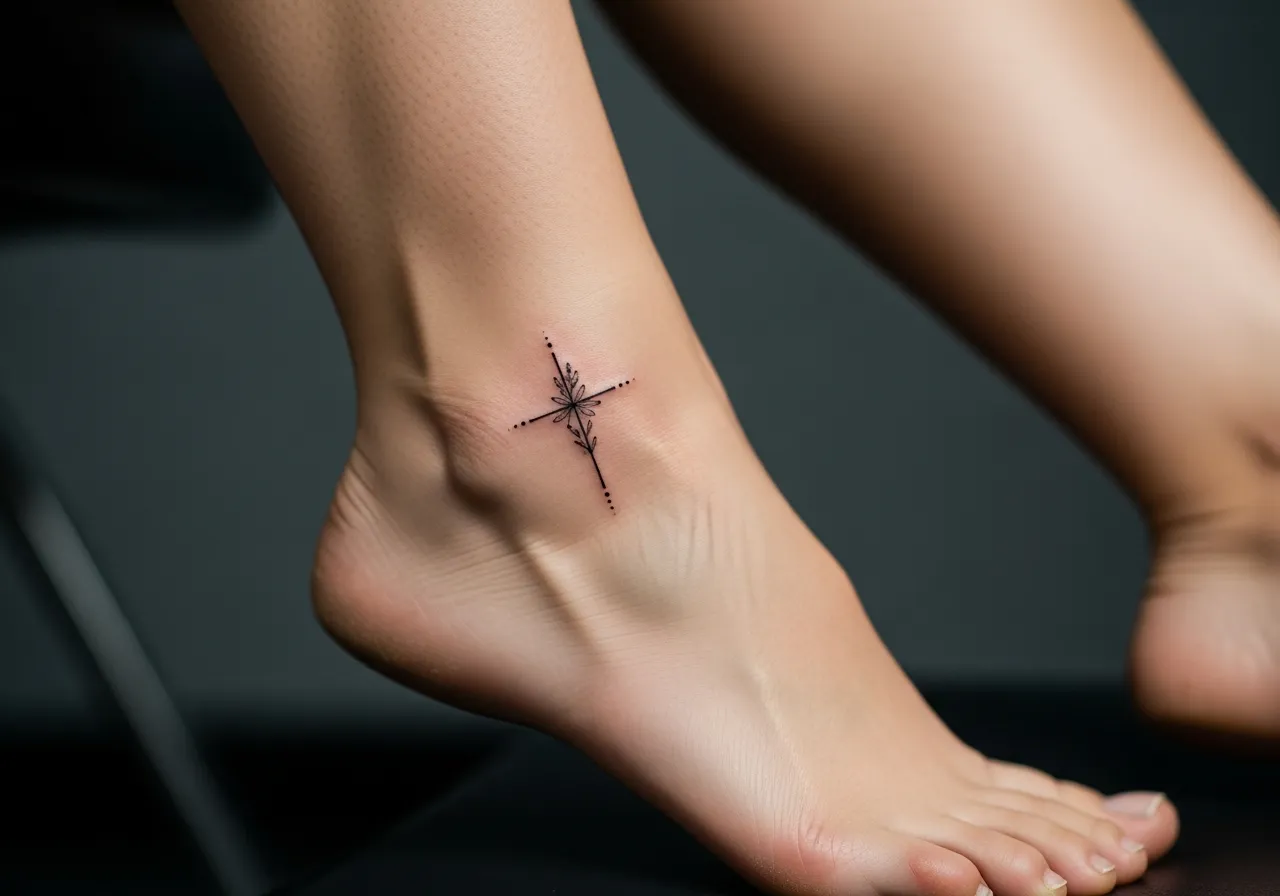
Ankle placement appeals to those preferring more private tattoo locations that can be revealed selectively. This area suits small to medium cross designs and works particularly well for delicate feminine interpretations. The ankle’s visibility changes with footwear choices, allowing easy concealment with socks and boots or display with sandals and low cut shoes.
The thin skin and proximity to ankle bones result in moderate to high pain levels during tattooing. The area’s tendency to swell during healing requires extra care and attention. Ankle tattoos often incorporate flowing elements that follow the natural contours of the leg and foot.
This placement gained popularity among women but has become increasingly common across all demographics. The location offers enough space for crosses combined with additional elements like flowers, vines, or small scripture verses while maintaining an overall delicate appearance.
Ribcage Cross Tattoo Placement
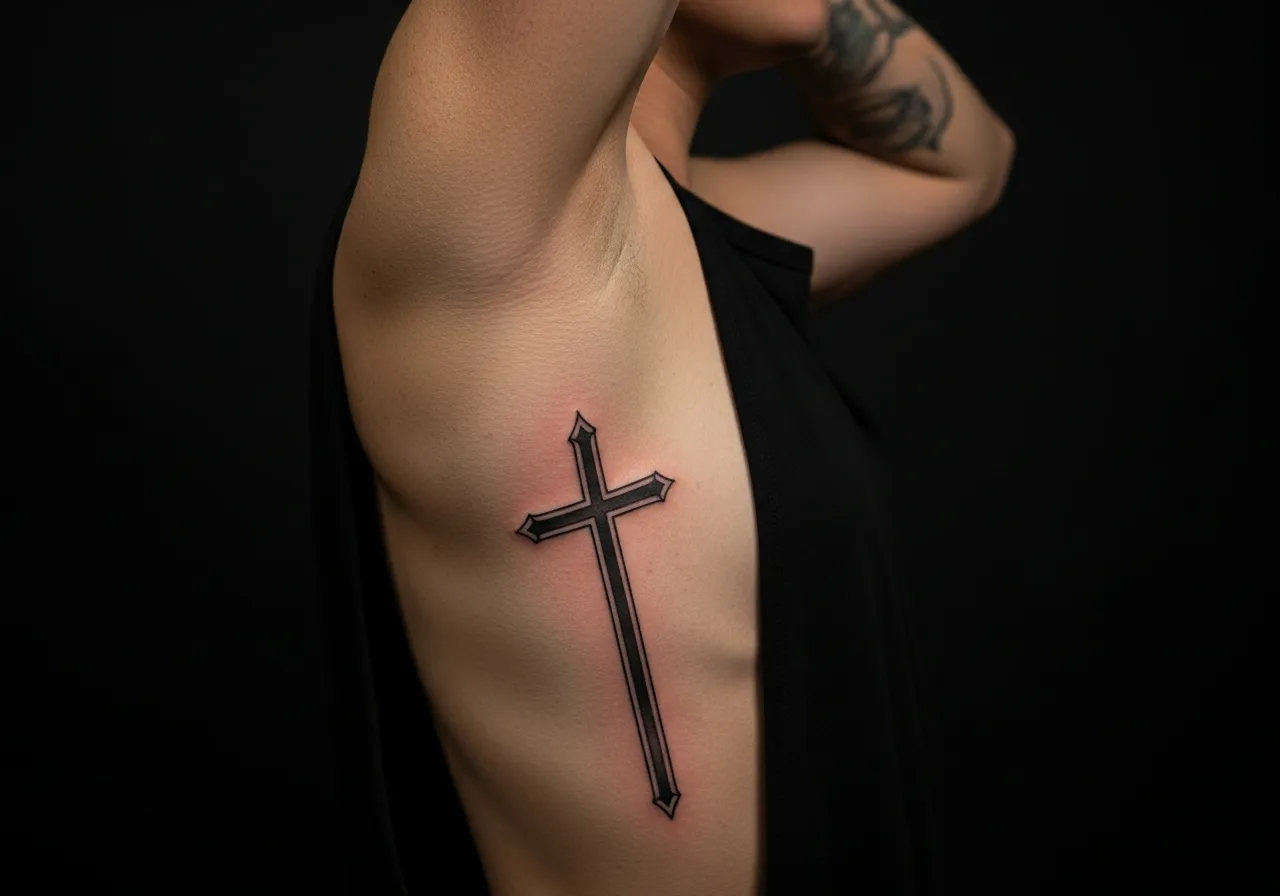
Ribcage placement creates dramatically intimate tattoos that remain largely private. This location accommodates both small designs tucked along the ribs and large pieces spanning from armpit to hip. The elongated vertical space naturally complements tall cross designs or compositions featuring the cross as a central element surrounded by other imagery.
The ribcage ranks among the most painful tattoo locations due to thin skin stretched directly over bone with minimal muscle padding. The breathing movement during tattooing adds complexity for both artist and client. Despite significant discomfort, many people choose this placement for deeply personal crosses they want to keep private.
These tattoos can extend onto the side chest or wrap toward the back, creating flowing compositions that follow body contours. The private nature of ribcage tattoos makes them meaningful markers of personal faith journeys rather than public declarations.
Hand Cross Tattoo Placement
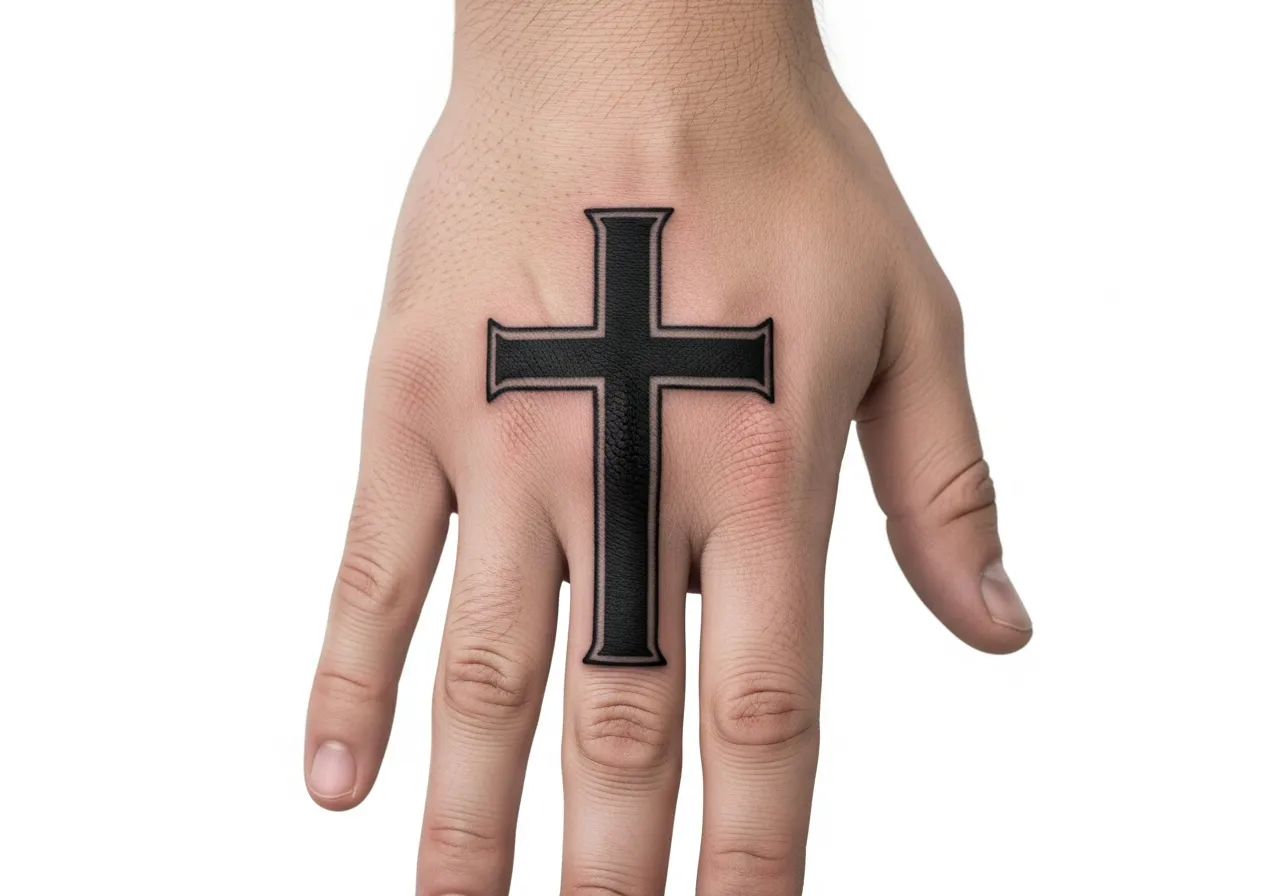
Hand cross tattoos project bold confidence through their impossible to hide placement. These designs typically appear on the top of the hand, between thumb and forefinger, or wrapped around the knuckles. The high visibility makes hand tattoos significant commitments requiring careful consideration of professional and social implications.
Thin skin and numerous bones throughout the hand result in considerable pain during the tattooing process. The area also presents healing challenges due to constant movement and frequent exposure to water and other elements. Hand tattoos fade faster than most other locations and often need touch ups to maintain their appearance.
Despite these challenges, hand placement appeals to those wanting to make unambiguous statements about their faith and values. The constant visibility serves as a perpetual reminder while also declaring beliefs to everyone encountered.
Between Shoulder Blades Cross Tattoo Placement
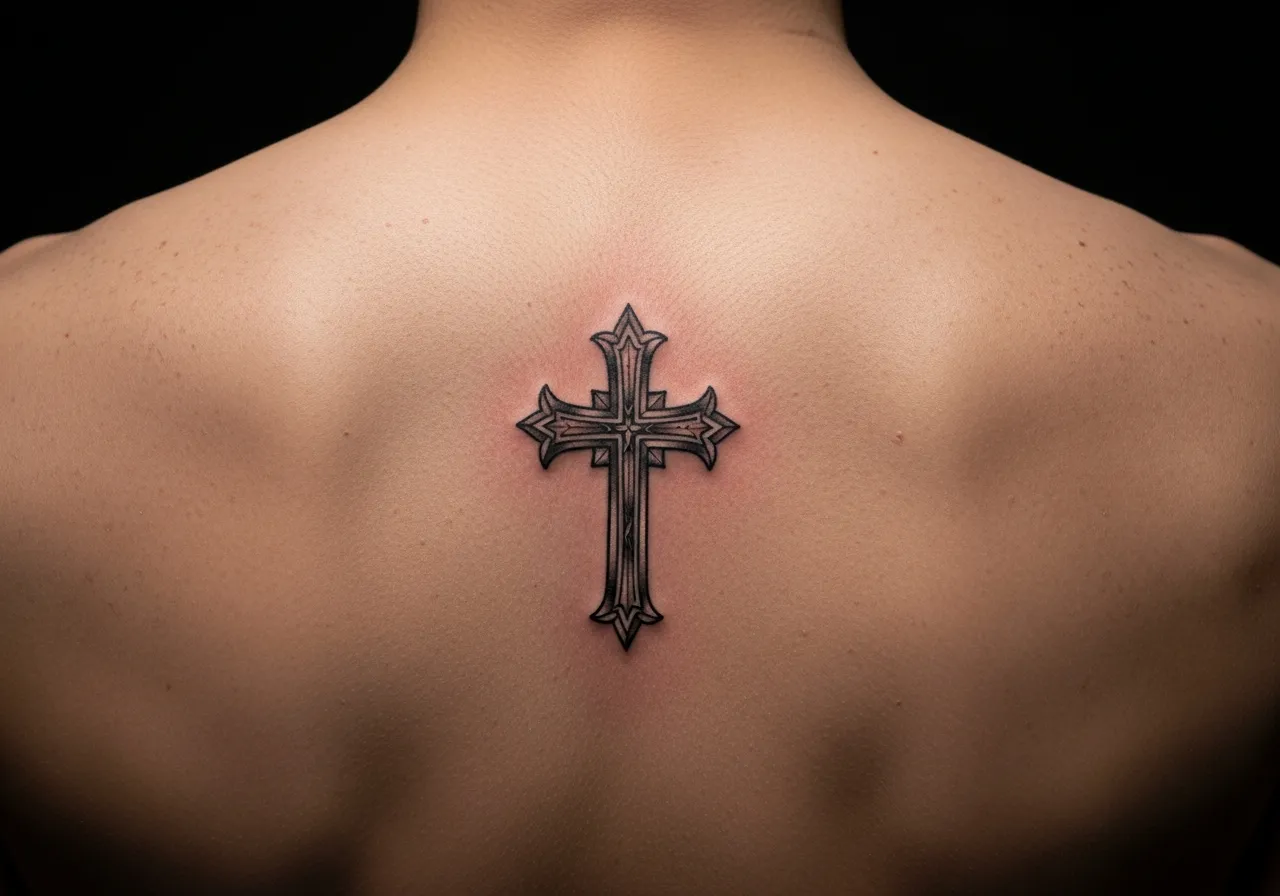
The area between shoulder blades offers a centered, balanced placement that symbolizes carrying faith as a foundation. This location works beautifully for vertical cross designs that align with the spine or horizontal compositions that follow the shoulder blade line. The relatively flat surface accommodates detailed artwork and allows for various size options.
Pain levels in this area vary, with regions directly over the spine causing more discomfort than the surrounding muscular areas. The location provides excellent privacy as the tattoo remains completely hidden under most clothing. Many people appreciate this placement for its personal rather than public nature.
Centered placement between shoulder blades creates symmetrical compositions that appeal to those valuing balance and order. The location also allows for future expansion upward toward the neck or outward across the upper back if desired.
Bicep Cross Tattoo Placement
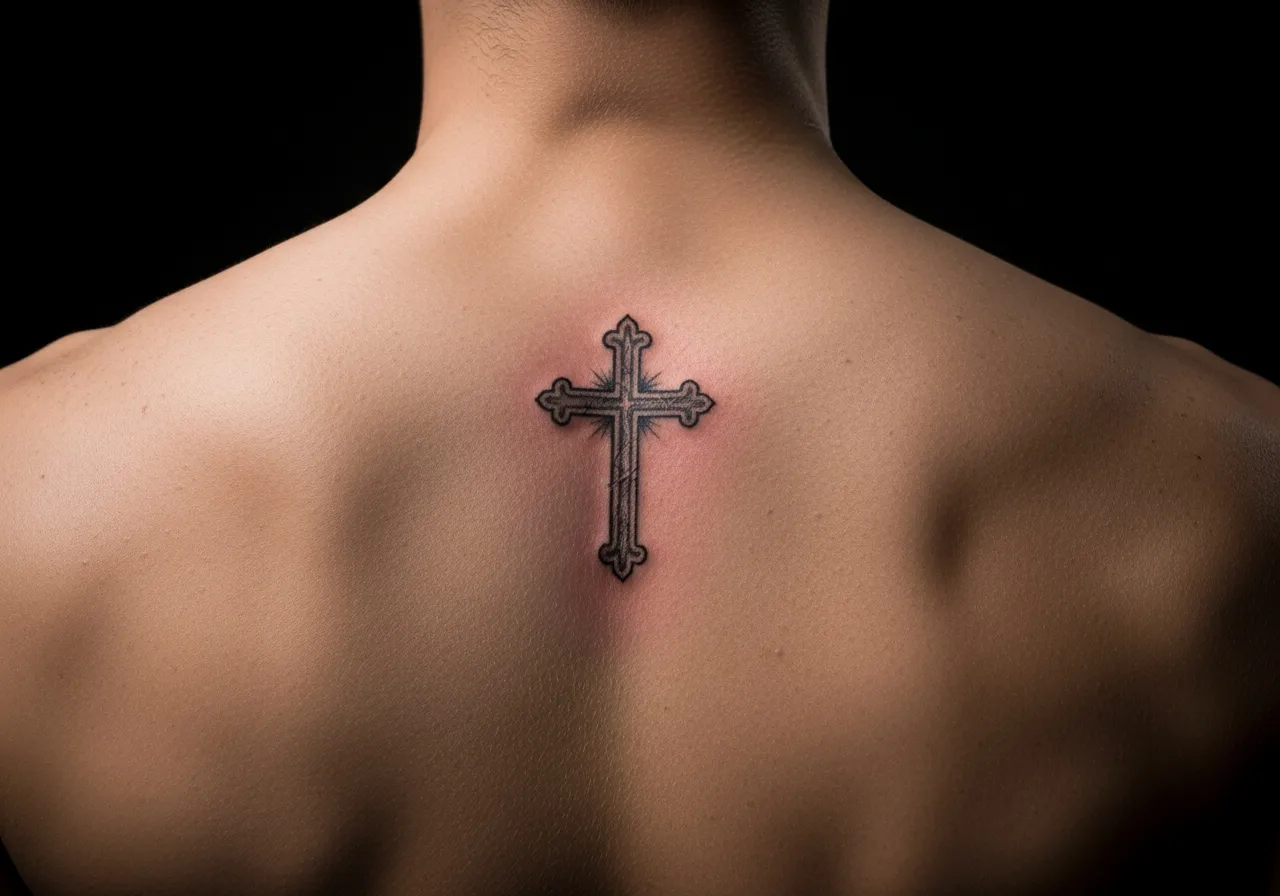
The bicep provides a traditional masculine placement that has stood the test of time. This location offers a rounded surface that enhances three dimensional cross designs and accommodates medium sized tattoos with room for detailed elements. The muscle padding results in moderate pain levels, making it accessible for first time tattoo recipients.
Bicep placement allows easy visibility control through sleeve length choices. The area maintains tattoo quality well as bicep muscles experience less dramatic size fluctuation than some body areas. Many people choose this location as part of larger arm compositions, with the cross serving as a focal point among other design elements.
The curved surface of the bicep naturally complements crosses featuring curved lines or circular elements. This classic placement continues appealing to new generations while maintaining its timeless associations with strength and masculinity.
Collarbone Cross Tattoo Placement
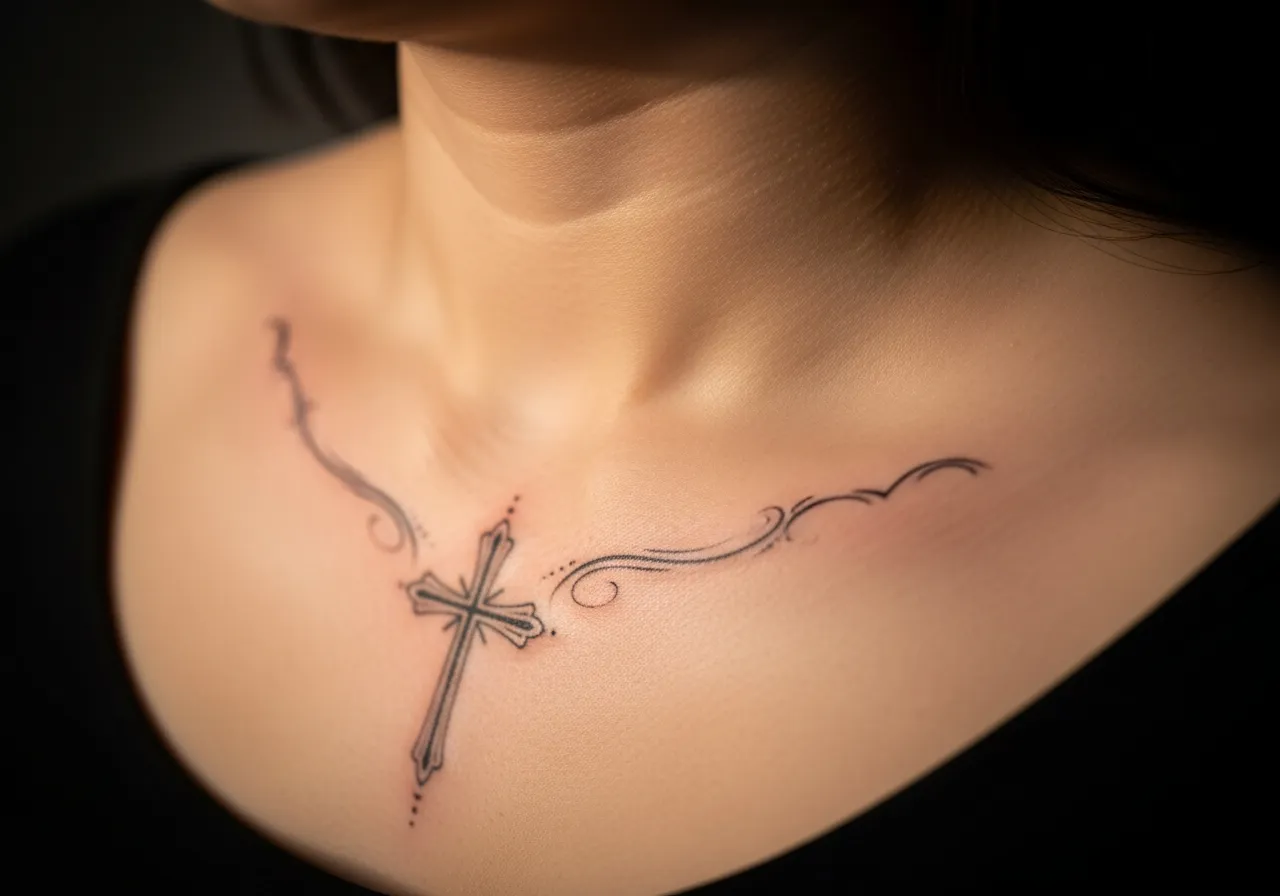
Collarbone placement creates elegant, sophisticated cross tattoos that follow the natural bone line. This location suits horizontal designs that span the width of the collarbone or smaller crosses positioned at one end. The thin skin and proximity to bone result in higher pain levels during the tattooing process.
These tattoos can be revealed or concealed depending on neckline choices, offering versatility for different settings. The collarbone’s prominent position when displayed creates striking visual impact without overwhelming boldness. Many people appreciate this placement for its refined aesthetic and the way it frames the upper chest area.
Collarbone cross tattoos often incorporate delicate details and fine line work that complement the area’s natural elegance. The location works particularly well for those seeking visible yet tasteful placements that maintain professional appropriateness while expressing personal faith.
Conclusion
Selecting the ideal placement for your cross tattoo ultimately depends on balancing personal significance, aesthetic preferences, pain tolerance, and lifestyle considerations. Each location offers unique advantages and symbolic meanings that can enhance your tattoo’s personal importance. Whether you choose a highly visible neck placement that boldly declares your faith or an intimate ribcage location that keeps your beliefs private, the right placement transforms your cross tattoo into a meaningful lifelong companion. Take time to thoughtfully consider how each option aligns with your values, circumstances, and long term vision for your body art. Consult with experienced tattoo artists who can provide insights specific to your chosen design and help ensure your cross tattoo achieves the impact and significance you desire.
You may also like this: Dandelion Tattoo Meaning: What This Delicate Flower Really Represents
Frequently Asked Questions
What is the least painful placement for a cross tattoo?
The forearm, upper arm, and outer shoulder typically rank among the least painful placements for cross tattoos. These areas have more muscle padding and thicker skin, resulting in moderate discomfort levels. The outer thigh also provides a relatively comfortable option for larger designs.
How do I choose between visible and hidden cross tattoo placement?
Consider your career requirements, personal comfort with public display, and the tattoo’s primary purpose. If the cross serves as a personal faith reminder, hidden placements like the ribcage or back work well. For public declarations of belief, visible locations like the forearm or neck are more appropriate.
Will my cross tattoo placement affect how it ages?
Yes, placement significantly impacts aging. Areas with minimal skin stretching like the forearm, shoulder, and back maintain tattoo quality better over time. Locations experiencing frequent movement or stretching such as hands and fingers may fade faster and require more touch ups.
Can I get a cross tattoo on my hand for my first tattoo?
While possible, hand tattoos are generally not recommended for first tattoos due to high pain levels, difficult healing processes, and significant visibility that may impact employment. Starting with less visible and less painful locations allows you to experience the tattooing process before committing to such a bold placement.
What size cross tattoo works best for wrist placement?
Wrist cross tattoos typically measure between one to three inches for optimal appearance. This size range allows for clear design visibility while fitting proportionally on the wrist area. Smaller minimalist designs work particularly well, though slightly larger pieces can extend onto the lower forearm if desired.