
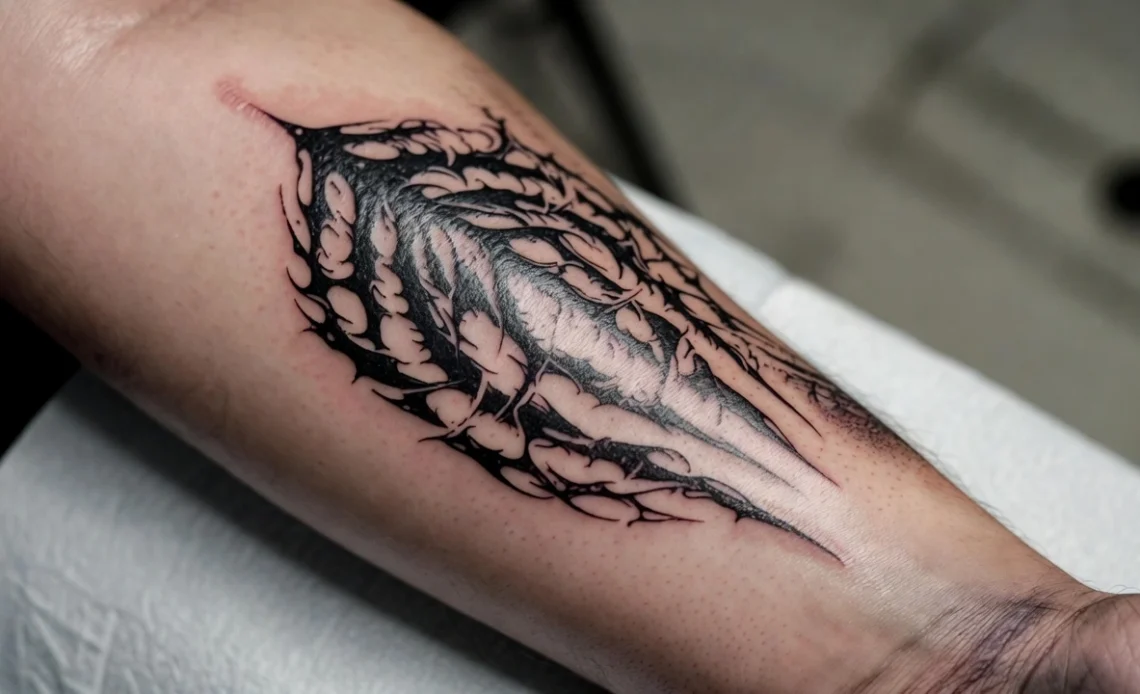
Getting a tattoo is one of the most personal and permanent decisions a person can make. The session in the artist’s chair is only the beginning of the journey. What follows is equally important, a carefully managed tattoo healing process that determines how vibrant, sharp, and long-lasting your new ink will ultimately be. Many people underestimate what the body goes through after a tattoo session, and that underestimation leads to preventable complications, faded ink, and disappointing results.
A tattoo is, in the most direct biological sense, a wound. The needle punctures the outer layer of skin thousands of times per minute, depositing ink into the dermis, the deeper layer of skin where it will remain permanently. The body responds to this intrusion exactly as it would to any other skin trauma, with inflammation, repair, and regeneration. Understanding that process, respecting its timeline, and supporting it with the right aftercare practices is what separates a beautifully healed tattoo from one that loses its clarity and color prematurely.
This complete guide covers every aspect of the tattoo healing process, from the first hours after leaving the studio to the long-term care practices that keep your ink looking exceptional for years.
What Happens to Your Skin During a Tattoo Session
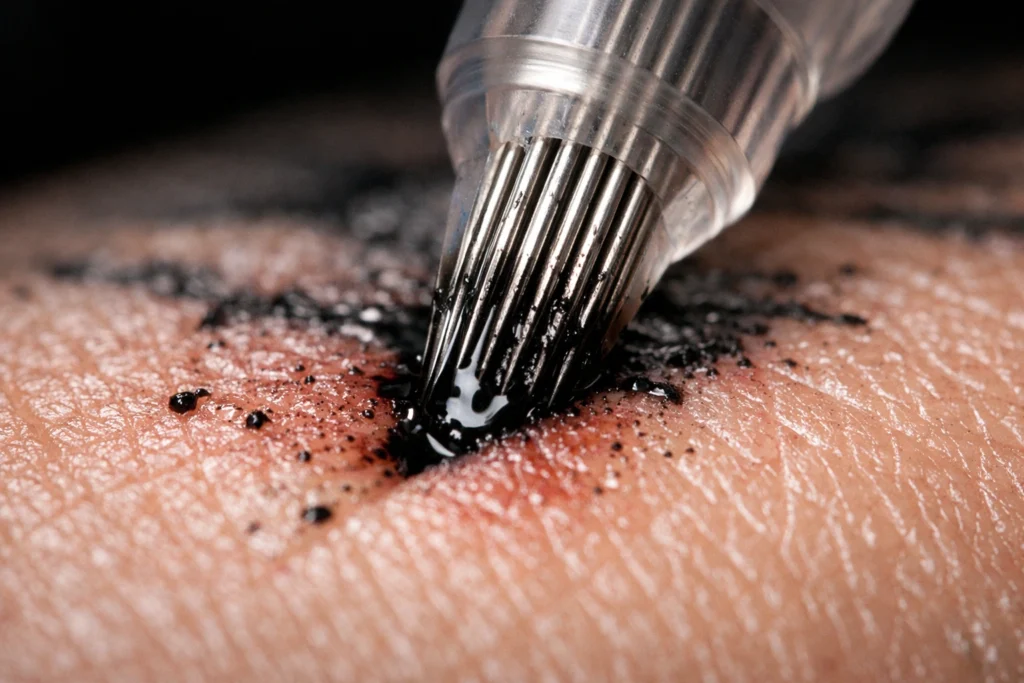
Before exploring the healing process, it helps to understand what the skin actually experiences during the tattooing itself. A tattoo machine drives a cluster of needles into the skin at speeds ranging from 50 to 3,000 times per minute, penetrating approximately one to two millimeters below the surface to reach the dermis. This layer of skin is targeted specifically because cells in the dermis are long-lived and stable, which is what makes tattoo ink permanent rather than temporary.
Each puncture creates a micro-wound and triggers an immediate immune response. Plasma, white blood cells, and ink begin to gather at the surface, which is why fresh tattoos often appear wet and slightly swollen immediately after the session ends. The skin has been significantly disrupted, and everything that happens in the following weeks is the body working diligently to rebuild what was disturbed while keeping the ink trapped in place.
The Four Main Stages of Tattoo Healing
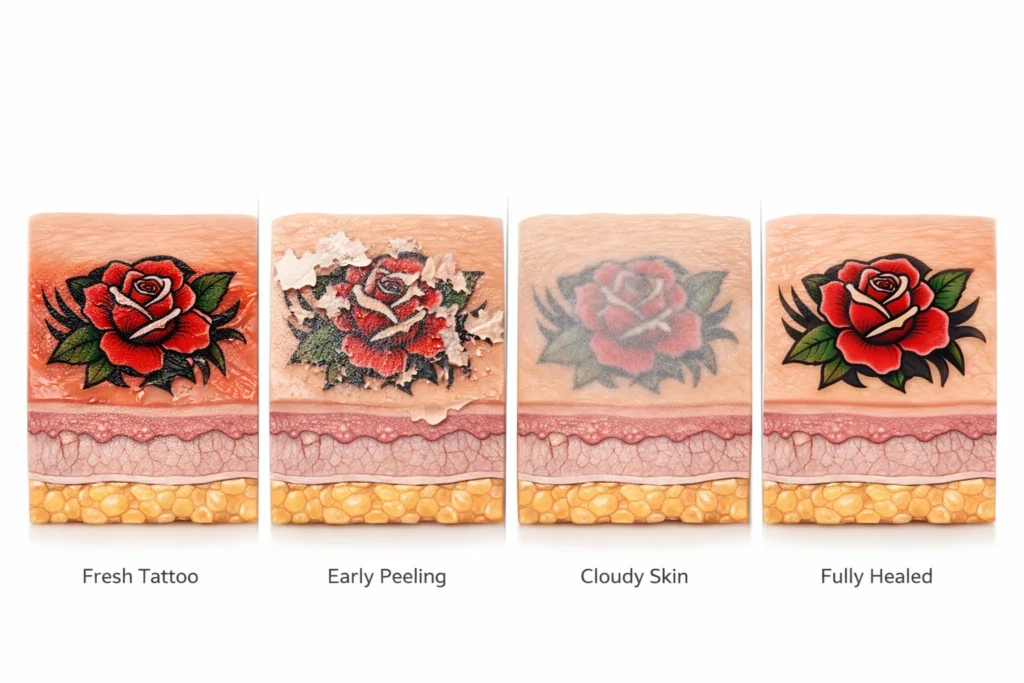
The tattoo healing process can be organized into four distinct stages that occur in a predictable sequence, though the exact timeline for each stage varies between individuals based on factors such as tattoo size, placement, skin type, age, and overall health.
The first stage is the inflammatory response, occurring during roughly the first week, characterized by redness, swelling, tenderness, and the weeping of plasma and excess ink. The second stage is the itching and peeling phase, typically spanning days seven through fourteen, when the outer skin begins to shed and scabbing occurs. The third stage is the cloudy or milky phase, lasting from approximately week two through week four, when a thin layer of new skin forms over the tattoo and temporarily dulls its appearance. The fourth and final stage is deep tissue healing, which continues beneath the surface for up to six months after the session and is when the tattoo achieves its final, fully settled appearance.
Stage One: The First 24 Hours After Your Tattoo
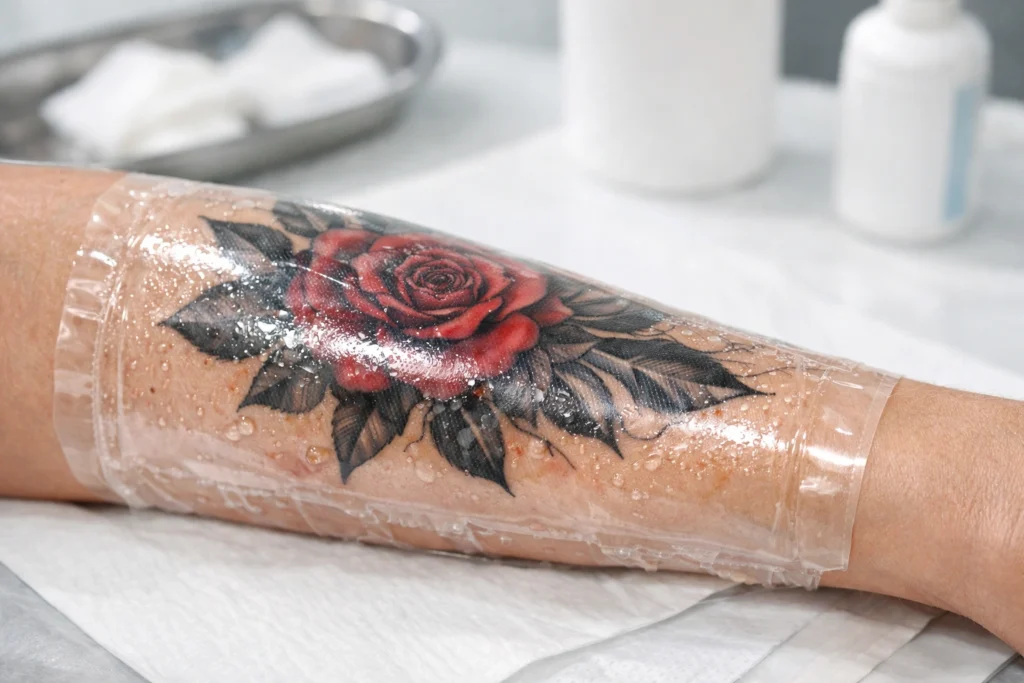
The first day after getting tattooed is the most critical window for preventing infection and establishing the conditions that will support healthy healing. Your artist will cover the fresh tattoo with a bandage, plastic wrap, or a specialized second-skin adhesive film before you leave the studio. This covering serves to protect the open skin from bacteria, absorb excess plasma and ink, and prevent the tattoo from sticking to clothing.
Follow your artist’s specific instructions regarding how long to keep the initial bandage on. Traditional plastic wrap coverings are typically removed after two to four hours, while medical-grade second-skin films can often be left in place for 24 to 72 hours. Once the covering is removed, gently wash the tattoo with lukewarm water and a fragrance-free, antibacterial soap using clean fingertips only. Pat dry with a clean paper towel, never a cloth towel, which can harbor bacteria. Apply a thin layer of recommended aftercare ointment and allow the skin to breathe.
Stage One Continued: Days Two Through Seven
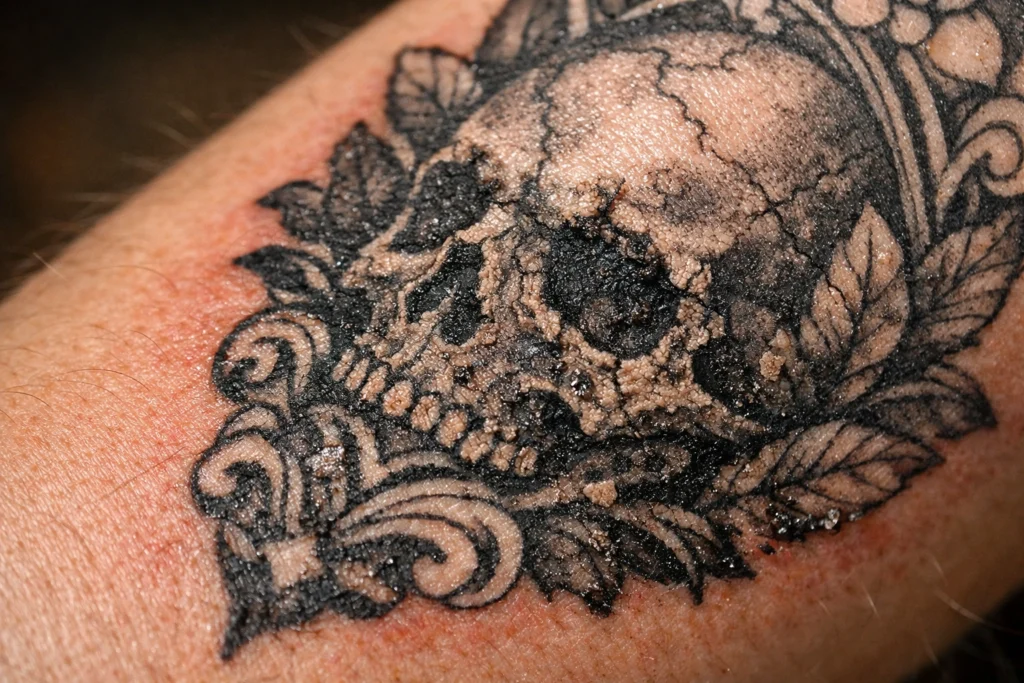
During the first week, the tattooed area will remain tender, slightly swollen, and red around the edges. It is entirely normal to see some plasma weeping from the surface during the first two to three days. This fluid is clear or slightly yellowish and represents the body’s natural wound-healing response. Some ink may also appear to seep from the surface during this period, which can be alarming for first-time tattoo recipients but is a completely normal occurrence known as ink weeping.
Wash the tattoo two to three times daily during this period, always with clean hands and a gentle fragrance-free soap. Apply aftercare ointment or a specialized tattoo balm after each wash to keep the skin hydrated. Avoid tight clothing over the tattooed area, as friction can irritate the healing skin and disrupt the forming protective layer. Scabbing will begin to develop toward the end of this stage, which is a sign that the skin’s natural repair mechanisms are functioning as they should.
Stage Two: The Itching and Peeling Phase
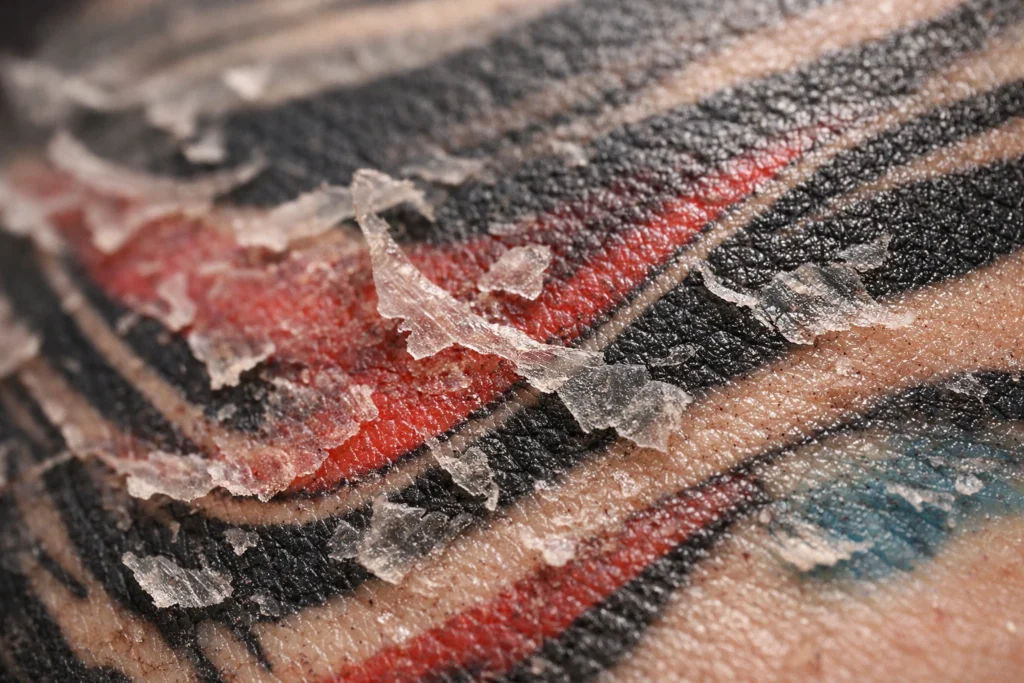
Entering the second week, the character of the healing process shifts noticeably. The acute inflammation subsides, the weeping stops, and the surface of the tattoo begins to peel and flake in a manner similar to a healing sunburn. This peeling represents the shedding of the outermost layer of damaged skin as the underlying new skin pushes to the surface. The itching that accompanies this phase is one of the most universally reported and universally frustrating aspects of the entire tattoo healing experience.
The temptation to scratch, pick, or peel the flaking skin is strong and must be resisted absolutely. Removing skin that is not yet ready to fall off naturally can pull ink from the dermis, creating patchy, faded areas in the tattoo that may require touch-up work to correct. It can also introduce bacteria to the still-healing skin beneath, creating conditions that favor infection. If the itching becomes difficult to tolerate, lightly tapping the area with clean fingertips or applying a thin layer of moisturizing lotion provides relief without the risk that scratching creates.
Stage Three: The Cloudy Skin Phase
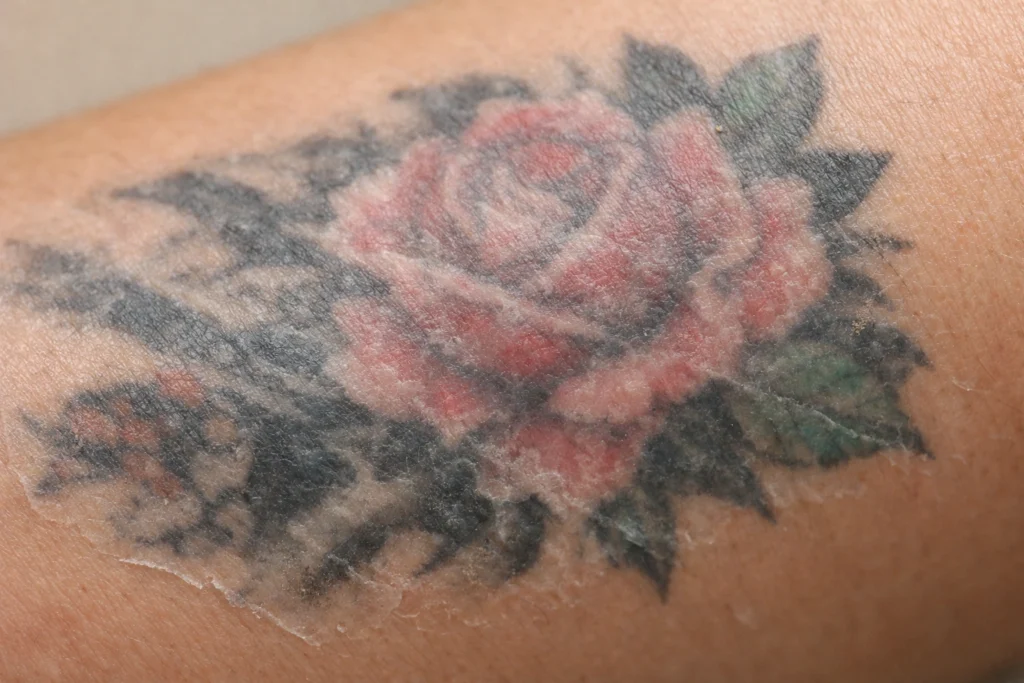
Between approximately weeks two and four, many people notice that their tattoo appears duller, slightly blurry, or milky compared to how it looked immediately after the session. This visual change is caused by a thin layer of new skin forming over the tattooed area as the epidermis completes its regeneration. Light scatters differently through this fresh skin layer, temporarily muting the vibrancy of the ink beneath.
This phase is a source of genuine anxiety for many tattoo recipients who worry that the ink is fading or that something has gone wrong with the healing. In nearly all cases, there is nothing to be concerned about. As the new skin layer thins and matures over the following weeks, the tattoo’s full color and clarity will gradually re-emerge. Continue moisturizing regularly during this phase and avoid any sun exposure on the healing area, as UV light during this vulnerable period can cause premature and permanent ink fading.
Stage Four: Deep Tissue Healing
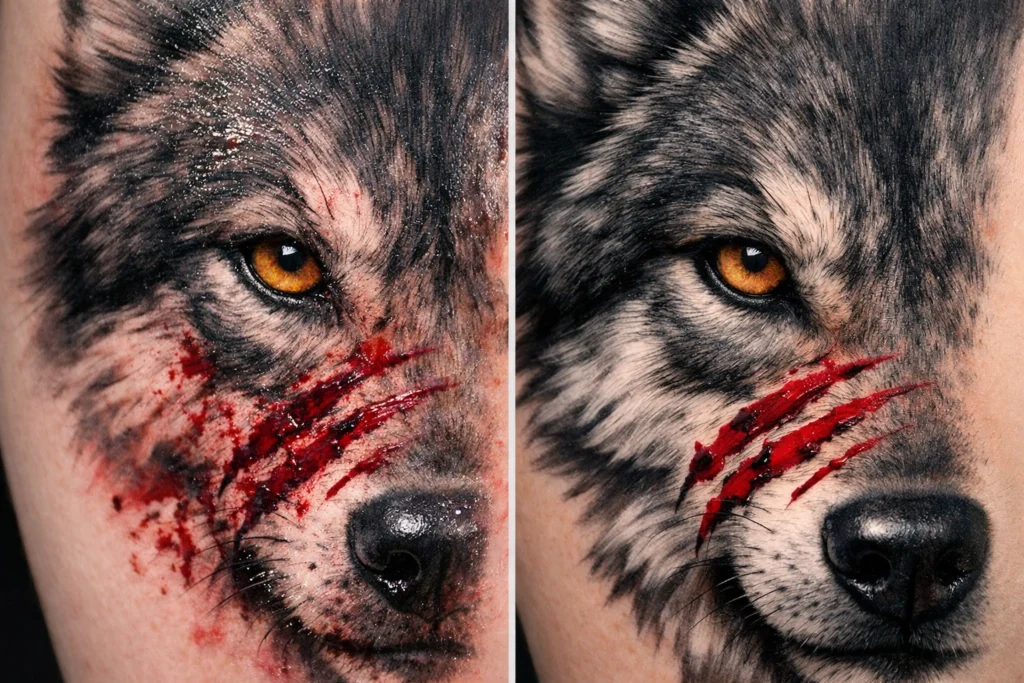
The surface of most tattoos appears fully healed by the end of the first month. The skin is no longer peeling, the itching has resolved, and the ink is beginning to regain its clarity and vibrancy. Many people make the mistake of assuming that healing is complete at this point and abandoning their aftercare routine entirely. In reality, the deeper layers of skin continue to heal and remodel for up to six months after the tattoo session.
During this extended period of deep tissue healing, the dermis is consolidating the ink particles in their permanent position and rebuilding the supporting structures of the skin. Continuing to moisturize daily, protecting the tattoo from sun exposure with a high-SPF sunscreen, and avoiding anything that would compromise skin health, such as extreme dehydration, excessive alcohol consumption, or nutritional deficiencies, all support this invisible but important final phase.
How Tattoo Placement Affects Healing Time
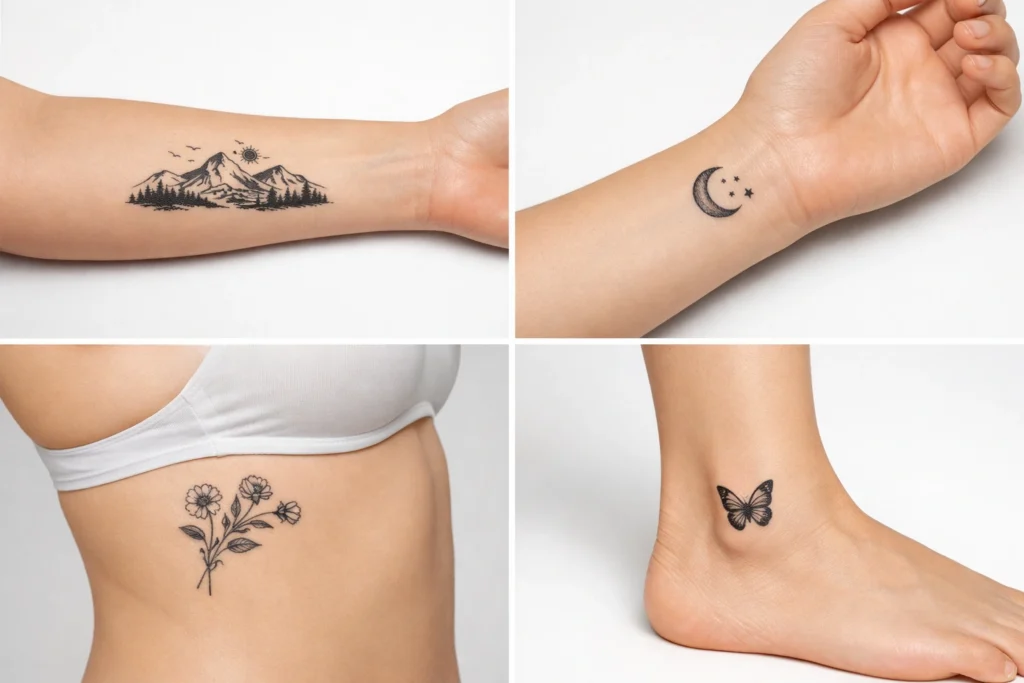
Not all tattoos heal on the same timeline, and placement is one of the most significant variables affecting the speed and ease of the healing process. Tattoos located in areas of high movement and friction tend to take longer to heal and require greater care during the process. The hands, feet, wrists, elbows, knees, and ankles are all examples of high-movement placements where the skin is in constant motion throughout the day, creating repeated mechanical stress on the healing wound.
Areas with thinner or more sensitive skin, such as the ribcage, inner arm, neck, and face, tend to experience more acute initial inflammation and may be more sensitive during the peeling phase. Areas with more stable, thicker skin such as the upper arm, thigh, and back generally provide the most straightforward healing experience. Discussing placement with your tattoo artist before booking your session allows you to receive guidance specific to your chosen location.
How Tattoo Size and Style Affect Healing
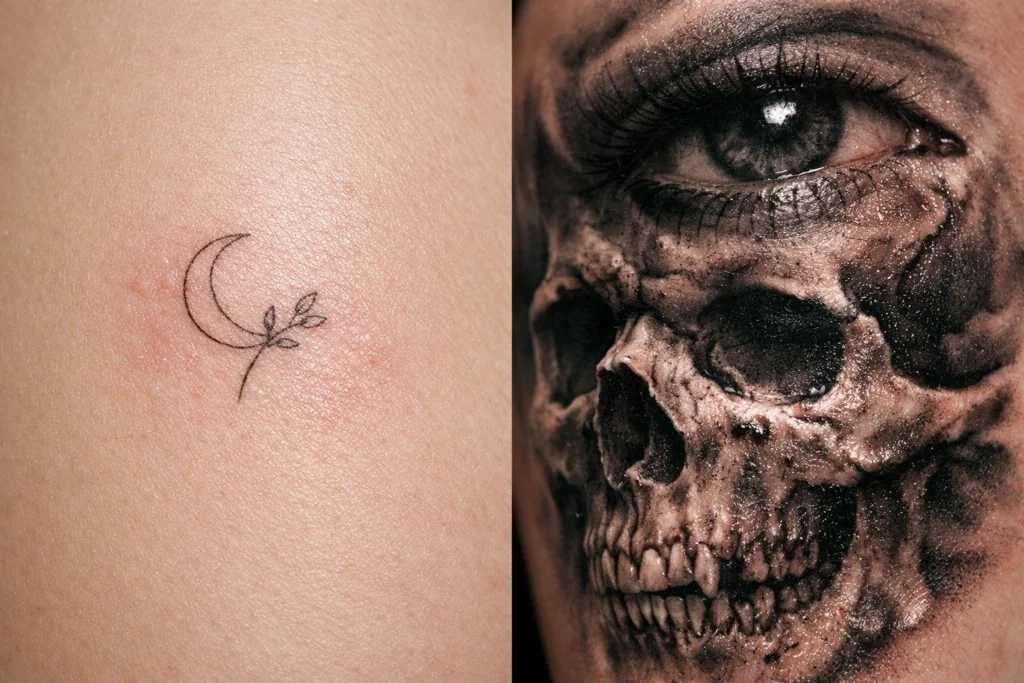
The size and complexity of a tattoo significantly influence the healing timeline and the demands placed on your aftercare routine. A small, simple fine line tattoo creates far less trauma to the skin than a large, heavily shaded, or densely colored piece that requires multiple hours of work. The more surface area involved and the more passes the needle makes over the same skin, the more pronounced the inflammatory response and the longer the healing process.
Heavily saturated color work, in particular, requires exceptional aftercare attention because the ink load deposited into the dermis is substantially greater than in black and gray or linework styles. Large black and gray realism pieces that involve deep shading create significant trauma across wide areas of skin and may take considerably longer to settle fully. Watercolor and abstract styles that rely on delicate ink saturation can be particularly sensitive to aftercare errors, as any disruption to the surface during healing can affect the final result.
Proper Cleaning Techniques During Healing
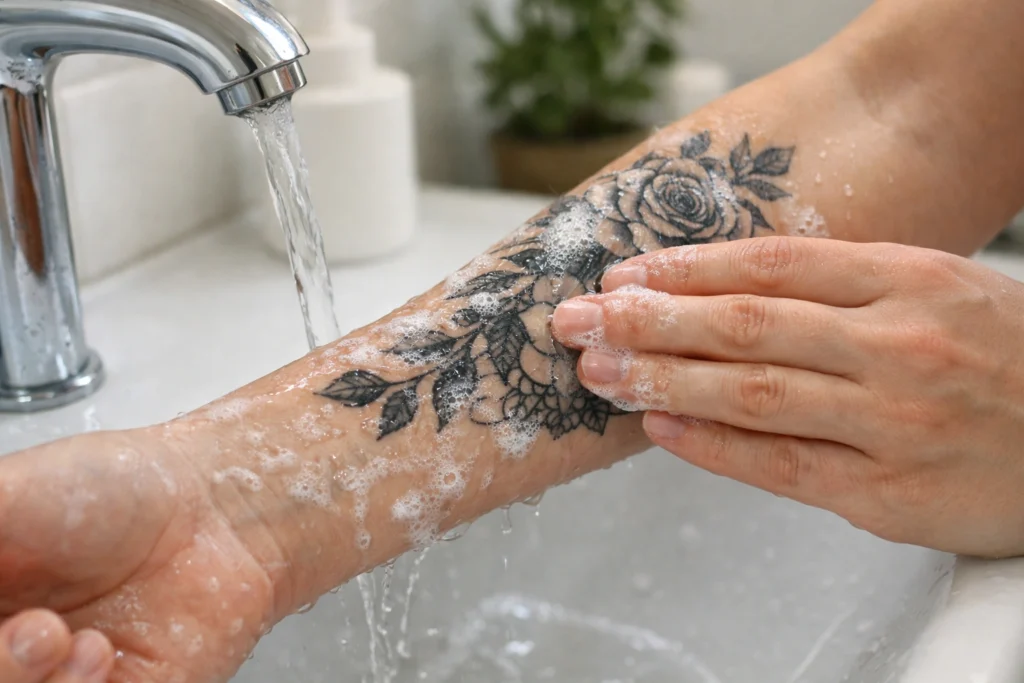
Cleaning your healing tattoo correctly is one of the most consequential daily practices during the tattoo healing process. The goal of cleaning is to remove bacteria, excess plasma, dried ink, and dead skin cells from the surface without disrupting the healing tissue beneath. The method matters as much as the frequency.
Always wash your hands thoroughly with soap and water before touching your tattoo. Use only lukewarm water and a fragrance-free, hypoallergenic soap with gentle antibacterial properties. Apply the soap with the soft pads of your clean fingertips using light circular motions, never a washcloth, sponge, or loofah, all of which can introduce bacteria and cause mechanical damage to the healing surface. Rinse thoroughly to ensure no soap residue remains, as dried soap can cause irritation. Pat dry gently with a fresh paper towel and allow the skin to air dry for a few minutes before applying any aftercare product.
Moisturizing and Aftercare Products
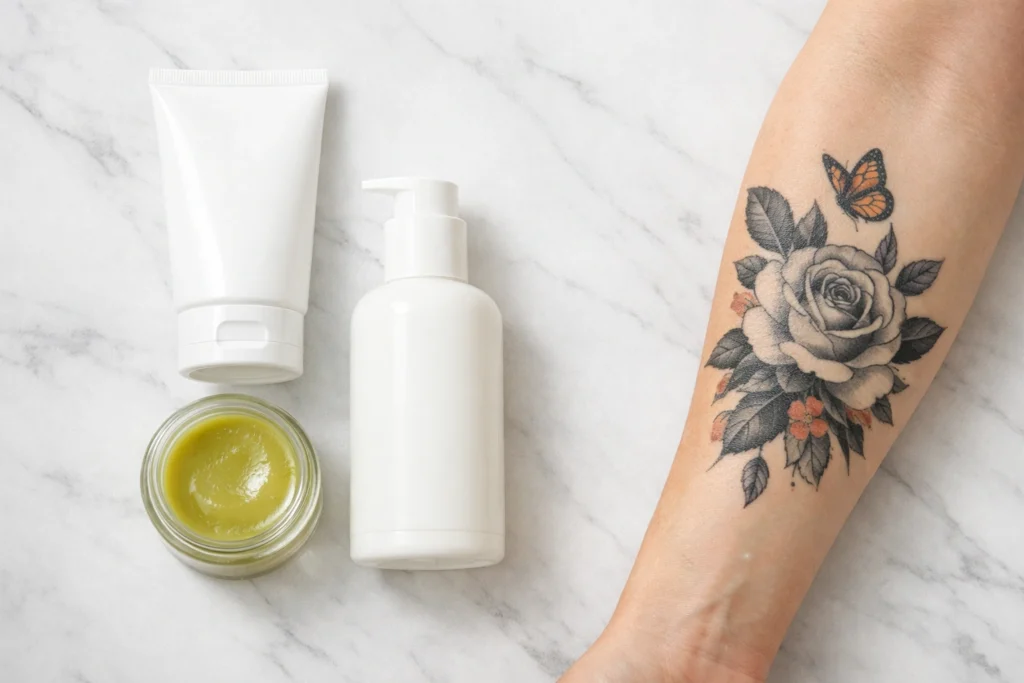
Keeping a healing tattoo adequately moisturized is as important as keeping it clean. Dry skin during healing leads to excessive scabbing, cracking, and a higher risk of ink loss. However, over-moisturizing is equally problematic, as creating a constantly wet or occlusive environment on the healing skin promotes bacterial growth and can cause the ink to leach out of the dermis during the early stages of healing.
The ideal approach is to apply a thin, even layer of aftercare product two to three times daily or whenever the skin feels tight and dry. During the first week, many artists recommend a plain, fragrance-free ointment such as an unscented healing balm. After the first week, switching to a lightweight, fragrance-free lotion or a purpose-made tattoo aftercare cream provides ongoing hydration without the heavier occlusive effect of an ointment. Avoid any product containing fragrances, alcohol, petroleum derivatives, or strong active ingredients such as retinols or exfoliating acids, all of which can irritate healing skin and compromise the final result.
What to Avoid During the Healing Process
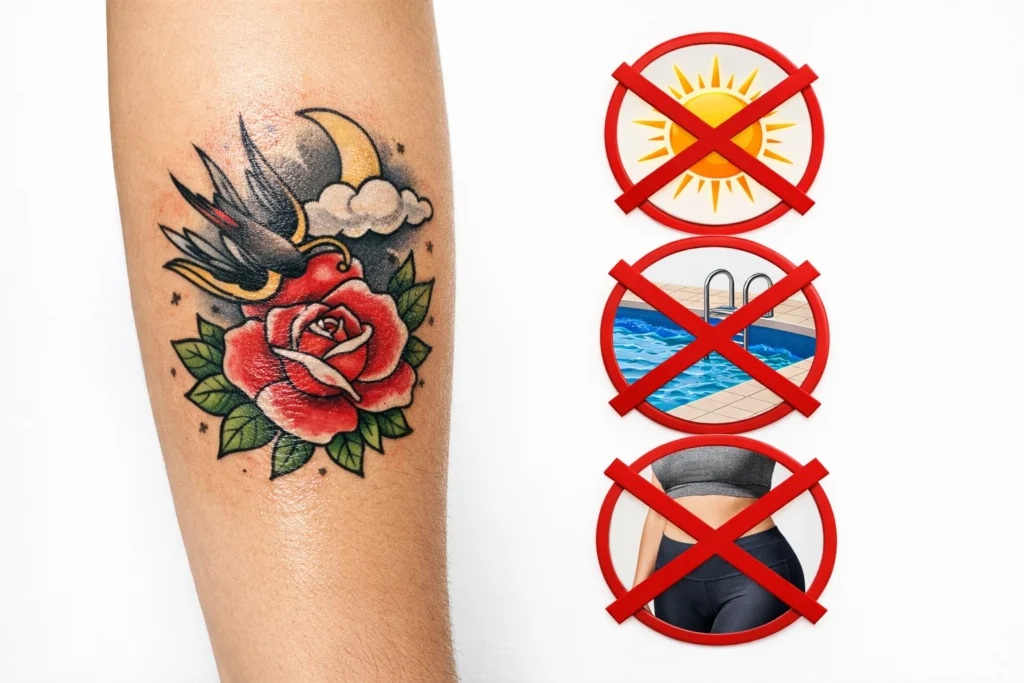
Understanding what to avoid during the tattoo healing process is as important as knowing what positive care practices to follow. Several common activities and substances can significantly compromise healing and must be avoided during the first month in particular.
Submerging the tattoo in water of any kind, including baths, swimming pools, hot tubs, lakes, and the ocean, must be avoided for a minimum of three to four weeks. Standing water harbors bacteria and the prolonged moisture exposure can loosen scabs and draw ink from the healing skin. Direct sun exposure on the fresh tattoo should be avoided entirely for the first month, after which a high-SPF sunscreen must be applied to the healed tattoo whenever it is exposed. Tight, abrasive clothing over the tattoo creates friction that disrupts healing, as does any activity that causes excessive sweating over the tattooed area during the first week.
Recognizing Signs of Infection
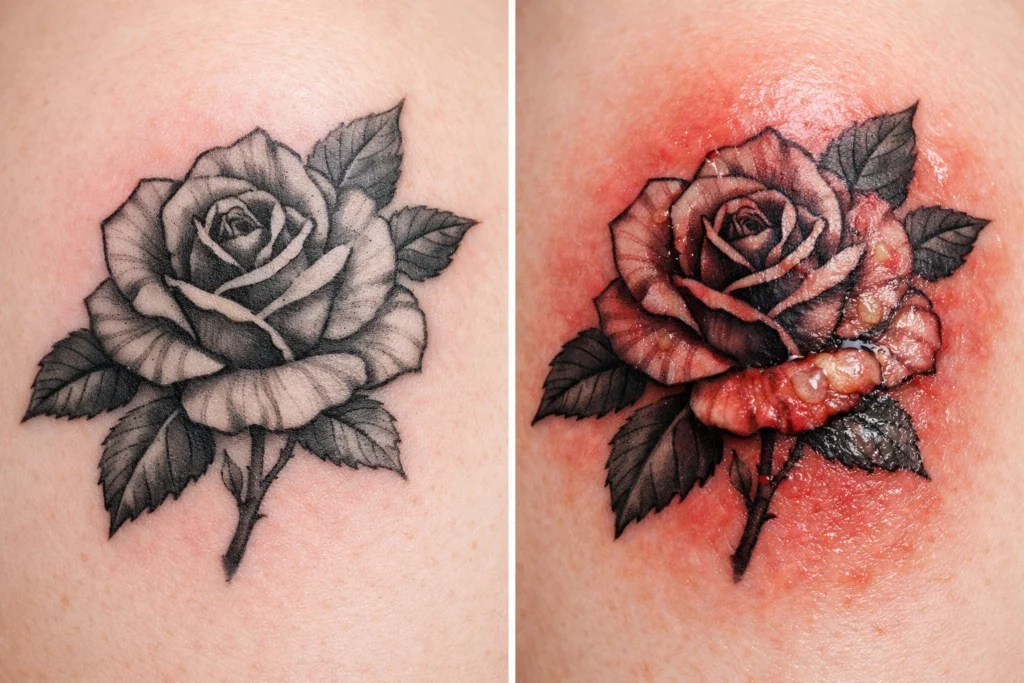
While the vast majority of tattoos heal without complications when proper aftercare is followed, infection remains a possibility that every tattoo recipient should be able to recognize. Distinguishing between the normal discomfort of the healing process and the warning signs of a genuine infection is an important skill.
Normal healing involves redness, tenderness, and warmth that steadily improves day by day during the first week. Infection, by contrast, typically involves redness and swelling that worsens rather than improves after the first few days, pus or green and yellow discharge from the tattooed area, a foul smell, skin that feels hot to the touch beyond the first 72 hours, and potentially systemic symptoms such as fever, chills, or swollen lymph nodes. Allergic reactions to ink can also occur and may present as an itchy rash, raised bumps, or persistent swelling localized to areas of specific ink colors. If any of these signs are present, consulting a doctor promptly is essential.
How Lifestyle and Health Affect Tattoo Healing

The body’s capacity to heal a tattoo is directly connected to its overall health and the lifestyle habits of the individual. Factors that support immune function and skin health accelerate healing, while factors that compromise them extend it.
Staying well hydrated throughout the healing process provides the skin with the moisture it needs to regenerate effectively. A nutritious diet rich in protein supports collagen synthesis and tissue repair, while adequate zinc intake specifically supports wound healing and immune function. Getting sufficient sleep is essential, as the body’s most intensive repair work occurs during rest. Conversely, excessive alcohol consumption thins the blood and impairs immune function, heavy exercise creates sweat and friction over the healing area, and smoking significantly impairs circulation and wound healing at a physiological level. People with conditions that affect immune function or skin healing, including diabetes, autoimmune conditions, and certain skin disorders, should discuss their tattoo plans with a physician before proceeding.
Long-Term Tattoo Care After Healing
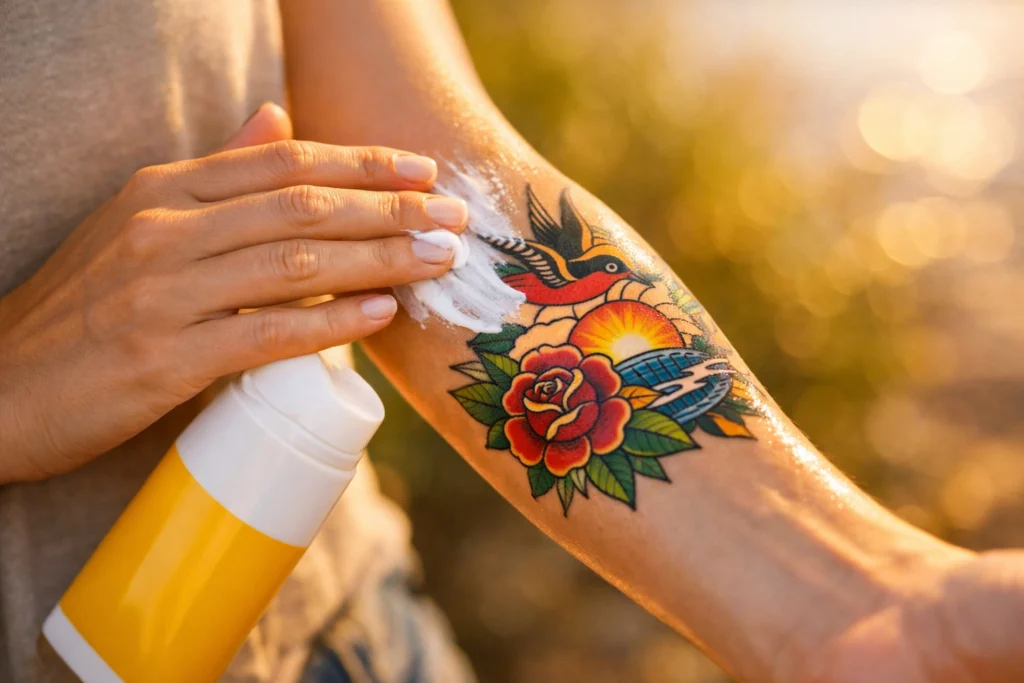
Once the tattoo healing process is complete and the skin has fully regenerated, the responsibility of care does not end. Long-term habits determine how vibrant and sharp your tattoo looks not just in the months immediately following the session but across years and decades of wear.
Sun protection is the single most impactful long-term care practice for tattoo preservation. UV radiation breaks down tattoo ink in the dermis over time, causing fading, blurring of lines, and color shift. Applying a broad-spectrum sunscreen with SPF 30 or higher to all exposed tattoos every time they will be in direct sunlight prevents this degradation and preserves the visual quality of the ink for significantly longer. Daily moisturizing with a quality fragrance-free lotion keeps the skin elastic and healthy, which supports the clarity of the tattoo by preventing dryness and flaking that can dull the appearance of the ink over time. Staying hydrated, maintaining a stable healthy weight to prevent excessive stretching of the skin, and scheduling touch-up appointments with your artist when needed are all practices that contribute to a tattoo that ages gracefully and continues to look as close to its original condition as possible for as long as you wear it.
Conclusion
The tattoo healing process is a remarkable demonstration of the skin’s capacity to absorb significant trauma and rebuild itself with extraordinary precision. Every stage of the process, from the acute inflammation of the first days to the invisible deep tissue remodeling that continues for months, serves an essential biological function. Respecting that process with proper aftercare is not optional if you want your tattoo to look its best.
The guidance in this complete guide covers the full spectrum of what you need to know, from what happens beneath the surface of your skin during the session to the long-term habits that protect your ink for life. Follow your artist’s specific aftercare instructions, support your body’s natural healing capacity with good nutrition, hydration, and rest, and give your tattoo the time it genuinely needs to complete its journey. The investment of attention and patience in the weeks following your session is what transforms a freshly applied piece of body art into a beautifully healed tattoo that you will be proud to wear for the rest of your life.
You may also like this post: DIY Tattoo Balm Recipe: 15 Natural Formulas and Aftercare Tips
Frequently Asked Questions
How long does the tattoo healing process take in total?
The surface of a tattoo typically appears healed within two to four weeks, at which point peeling, scabbing, and acute discomfort have resolved. However, the deeper layers of skin continue to heal and remodel for up to six months after the session. The first month requires the most active aftercare, but maintaining good skin care habits for the full six-month period supports the best possible final result.
Is it normal for a tattoo to look dull or blurry during healing?
Yes, this is entirely normal and occurs during the third stage of healing, typically between weeks two and four. A thin layer of new skin forming over the tattooed area temporarily mutes the vibrancy and sharpness of the ink beneath. As this skin layer thins and matures over the following weeks, the tattoo’s full color and clarity gradually return. If dullness persists well beyond the four-week mark, consult your tattoo artist.
Can I exercise after getting a tattoo?
Light, low-impact activity is generally acceptable after the first 48 hours, but intense exercise that produces significant sweating, causes clothing friction over the tattoo, or involves stretching the tattooed skin repeatedly should be avoided for the first week to ten days. Sweat can introduce bacteria to the healing wound, and mechanical friction over the surface can disrupt the forming protective layer and increase the risk of ink loss or infection.
How do I know if my tattoo is infected or just healing normally?
Normal healing involves redness, warmth, and tenderness that consistently improves day by day during the first week. An infection typically presents with symptoms that worsen rather than improve, including increasing redness, swelling, pus or discolored discharge, a foul odor, or systemic symptoms such as fever and chills. If you observe any of these warning signs, consult a doctor promptly rather than attempting to treat the issue with home remedies.
When can I expose my healed tattoo to the sun?
Direct sun exposure should be completely avoided during the first month of healing when the skin is still actively regenerating. Once the tattoo has fully healed at the surface level, sun exposure is permissible but should always be accompanied by a broad-spectrum sunscreen of at least SPF 30 applied to the tattooed area. Consistent sun protection throughout the life of the tattoo is the single most effective practice for preserving ink vibrancy and preventing premature fading.