
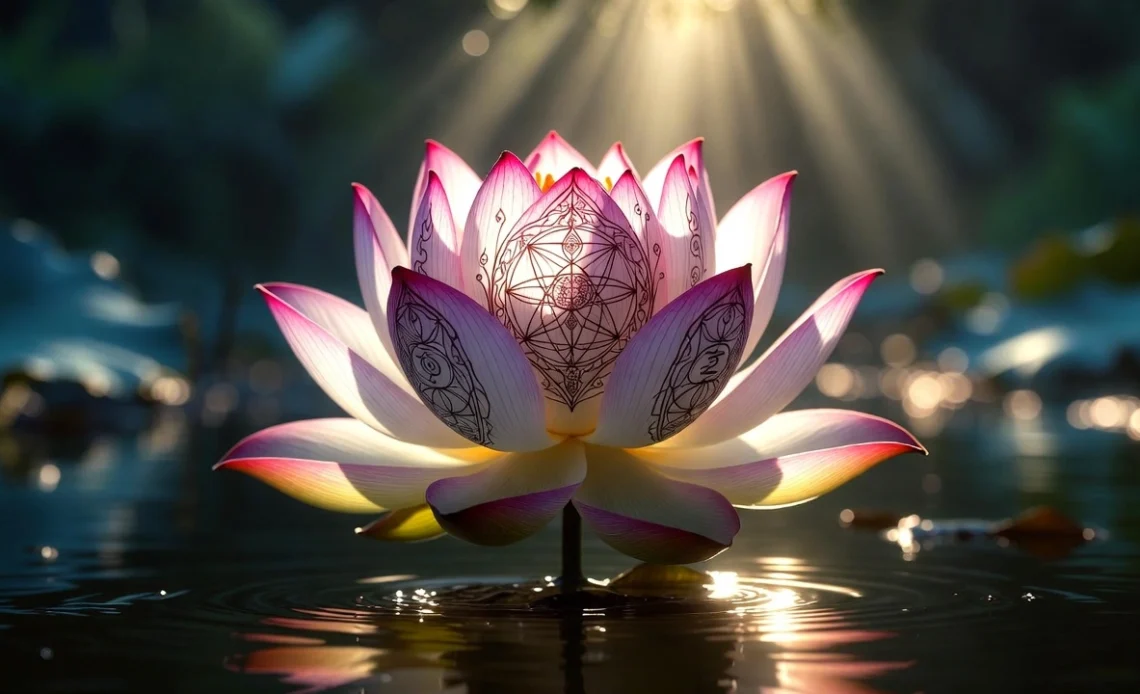
Few symbols in the world of body art carry the same weight, beauty, and layered meaning as the lotus flower. Rooted in ancient Eastern philosophy and embraced across modern tattoo culture, the lotus flower tattoo meaning extends far beyond its visual appeal. It speaks of transformation, resilience, purity, and spiritual awakening. Whether you are considering your first tattoo or adding to a growing collection, understanding what this flower truly represents can deepen the personal significance of your ink.
The lotus grows in murky, muddy water and yet rises above the surface to bloom in breathtaking beauty. That singular quality has made it one of the most powerful and enduring symbols across cultures and religions for thousands of years. In this article, we explore 18 distinct meanings behind the lotus flower tattoo, its spiritual symbolism, cultural roots, color variations, and placement significance so that you can make an informed and meaningful choice.
A Brief Look at What Makes Lotus Tattoo Symbolism So Rich
Across the top-ranking content on lotus flower tattoo meaning, a few consistent themes emerge. Hinduism and Buddhism are cited as the most influential religious sources for lotus symbolism. Color plays a major role in distinguishing meaning, with pink, white, blue, red, and black lotus flowers each carrying distinct spiritual significance. Placement on the body, design variations such as the unalome or mandala lotus, and the number of petals depicted also affect interpretation.
Competitor content consistently links the lotus to themes of rebirth, purity, enlightenment, detachment, inner strength, and divine femininity. Many also note that the lotus has become popular among people recovering from addiction, trauma, or major life changes, making it a deeply personal tattoo choice across demographics.
The Ancient Origins of Lotus Flower Symbolism
The lotus flower has appeared in sacred texts, temple carvings, and religious artwork for more than 5,000 years. Its origins in symbolic use can be traced to ancient Egypt, where it represented the sun, creation, and rebirth because the flower opens with the morning light and closes at night. Egyptian mythology held that the lotus was the first thing to emerge from the primordial waters at the dawn of creation.
In Hindu tradition, the lotus is considered the seat of the divine. Major deities including Brahma, Vishnu, Lakshmi, and Saraswati are depicted seated upon or holding the lotus flower. In Buddhism, the lotus represents the path to enlightenment. The fact that it blooms cleanly from muddy water is seen as a direct metaphor for the human journey from ignorance toward wisdom and compassion.
The 18 Deep Lotus Flower Tattoo Meanings Explained
Understanding these 18 meanings will help you choose a design that aligns with your personal story and spiritual values.
Purity of the Mind and Soul
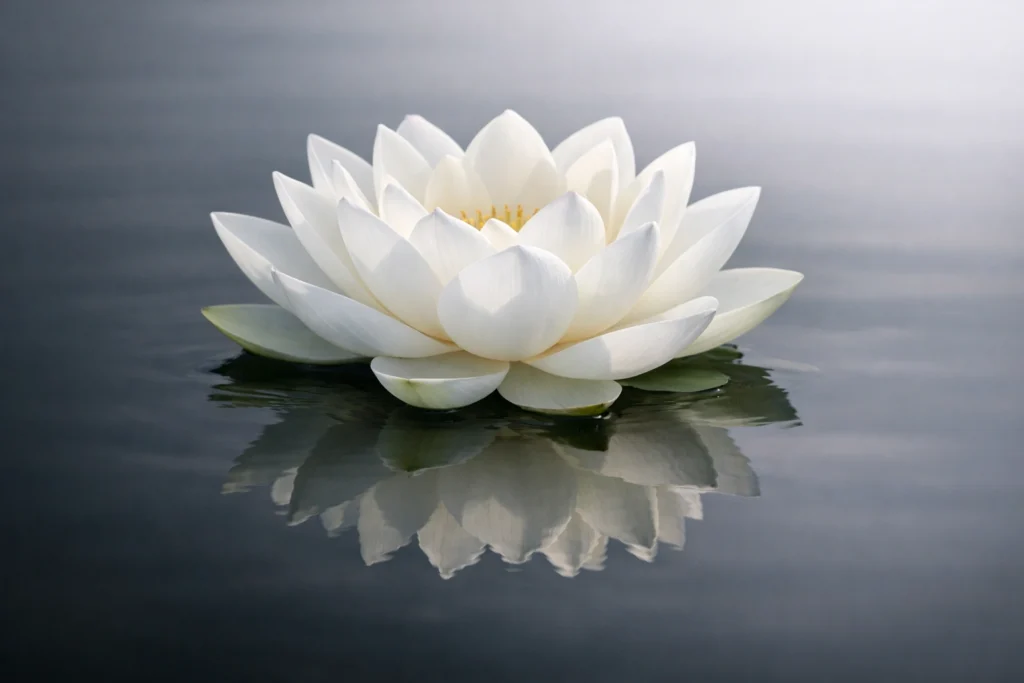
The lotus grows through mud without being stained by it. This natural phenomenon makes it a universal symbol of mental and spiritual purity. A lotus tattoo can reflect a desire to remain uncorrupted by life’s hardships, negativity, or past mistakes.
Spiritual Enlightenment

In Buddhist philosophy, the fully bloomed lotus symbolizes complete enlightenment. Wearing this as a tattoo can signify a personal journey toward higher consciousness, meditation practice, or a commitment to seeking deeper truth.
Rebirth and New Beginnings
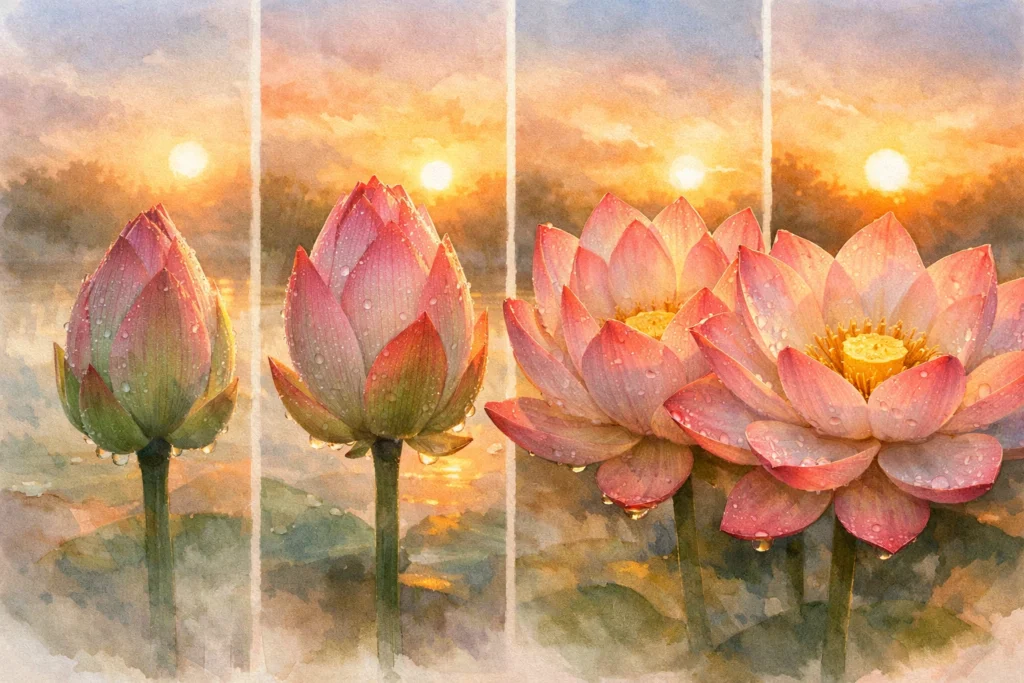
Because the lotus closes at night and reopens each morning, it has become a powerful symbol of rebirth. Many people choose this tattoo after overcoming a significant life challenge, ending a difficult relationship, or starting a new chapter in life.
Resilience and Inner Strength
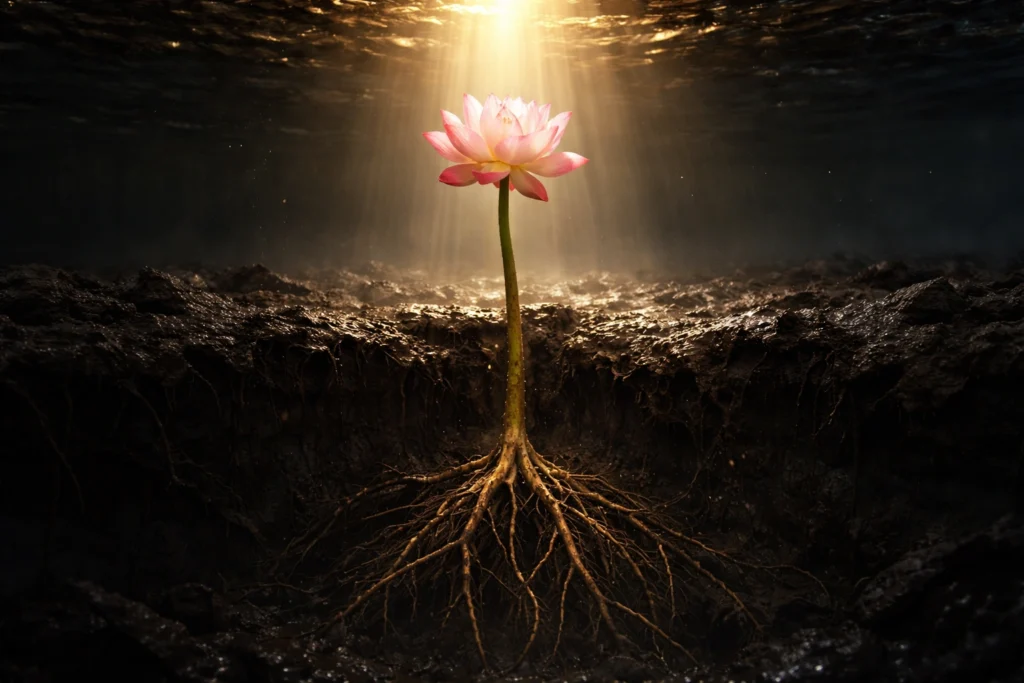
The ability of the lotus to push through mud and murky water to reach the light speaks directly to human resilience. A lotus tattoo can serve as a daily reminder that you have the inner strength to rise above difficult circumstances.
Detachment and Non-Attachment
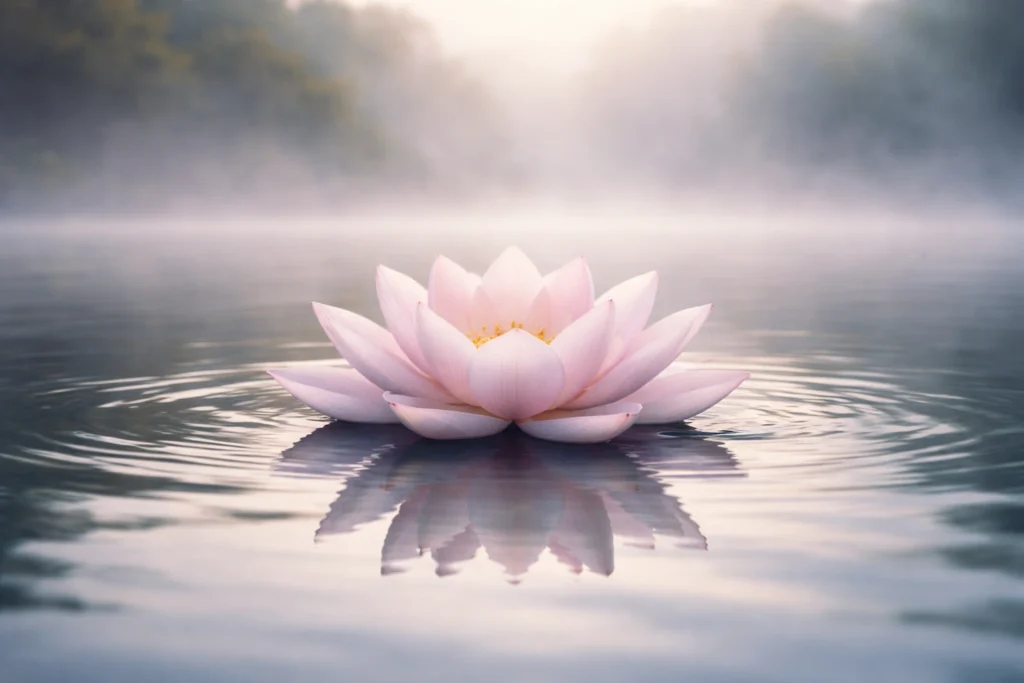
The lotus floats above the water without being submerged in it, representing the Buddhist and Hindu concept of non-attachment. This is the ability to be present in the world, engage fully with life, and yet not be emotionally enslaved by outcomes, possessions, or the opinions of others.
Divine Feminine Energy
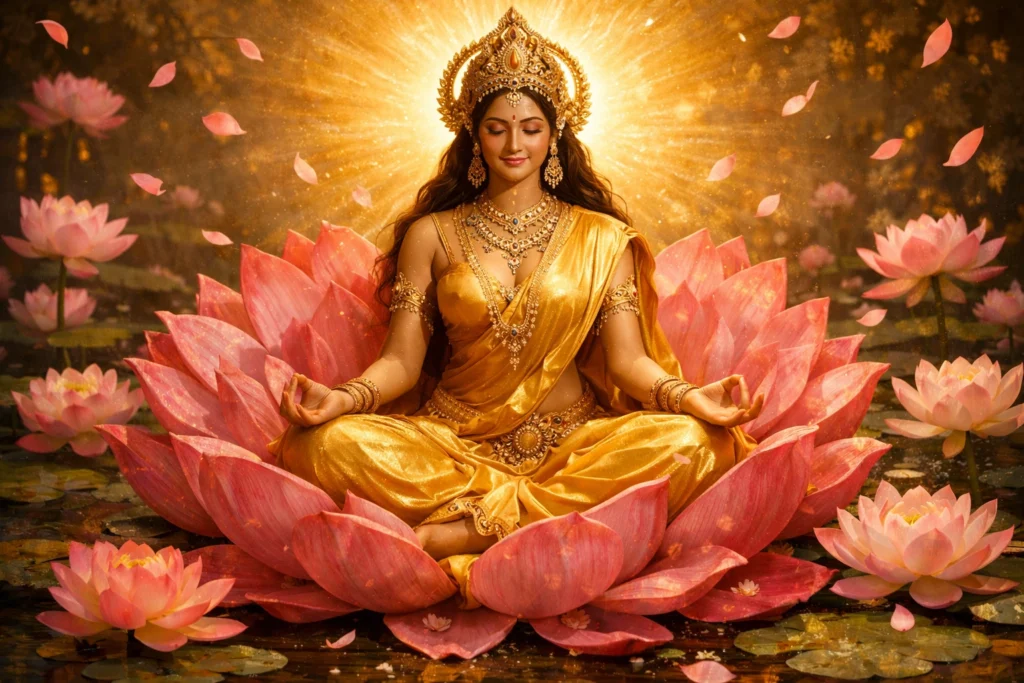
In Hinduism, the lotus is closely associated with goddesses such as Lakshmi, the deity of prosperity and grace, and Saraswati, the goddess of knowledge and creativity. A lotus tattoo can be a powerful symbol of feminine power, grace, intuition, and nurturing energy.
Overcoming Addiction and Trauma
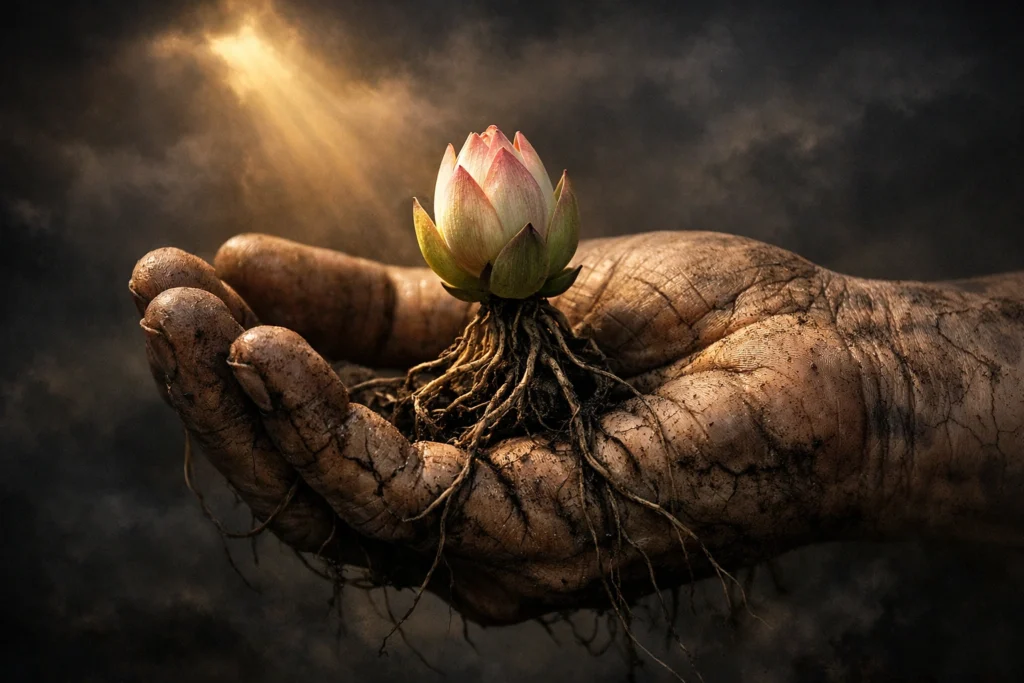
Among people in recovery from addiction or those healing from emotional trauma, the lotus tattoo has become a popular and deeply meaningful choice. It honors the struggle while celebrating survival and the possibility of transformation.
The Journey, Not Just the Destination

The lotus does not bloom overnight. It grows slowly, stage by stage. This gradual unfolding is a metaphor for personal growth that values the journey as much as the outcome, reminding the wearer to be patient with themselves.
Creation and Cosmic Order
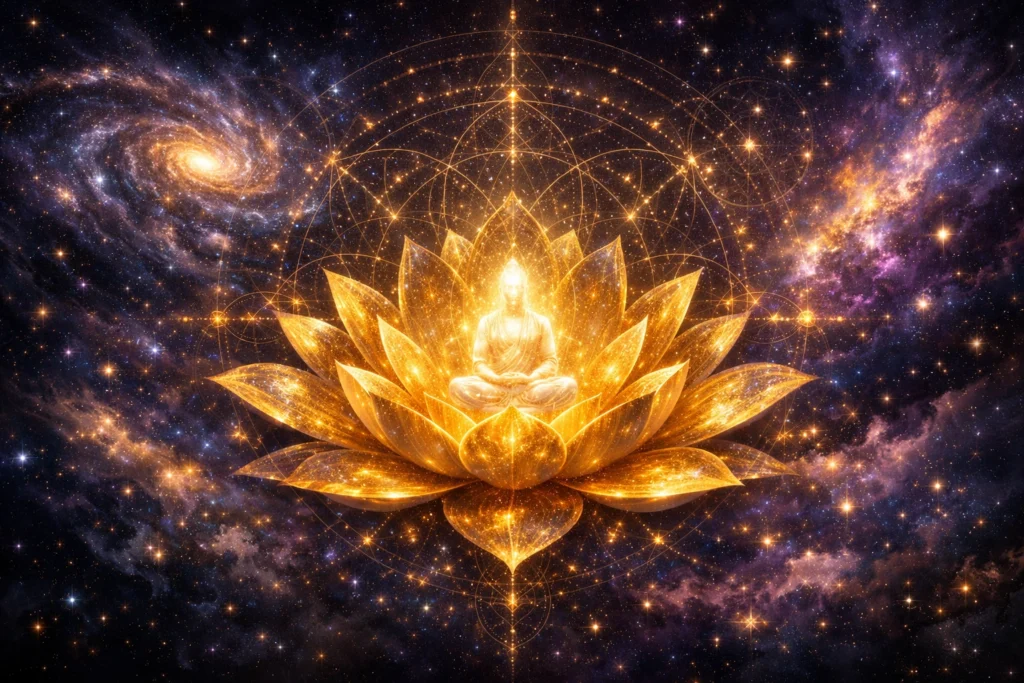
In Egyptian and Hindu cosmology, the lotus is tied to the very act of creation. Lord Brahma, the Hindu creator deity, is said to have emerged from a golden lotus. This makes the symbol rich with meaning for those drawn to ideas of creativity, cosmic purpose, and divine order.
Peace and Serenity
The still waters and gentle opening of the lotus evoke a sense of calm and inner peace. Many people choose the lotus tattoo as a reminder to cultivate stillness, mindfulness, and serenity in their daily lives.
Chakra Alignment and Energy Flow
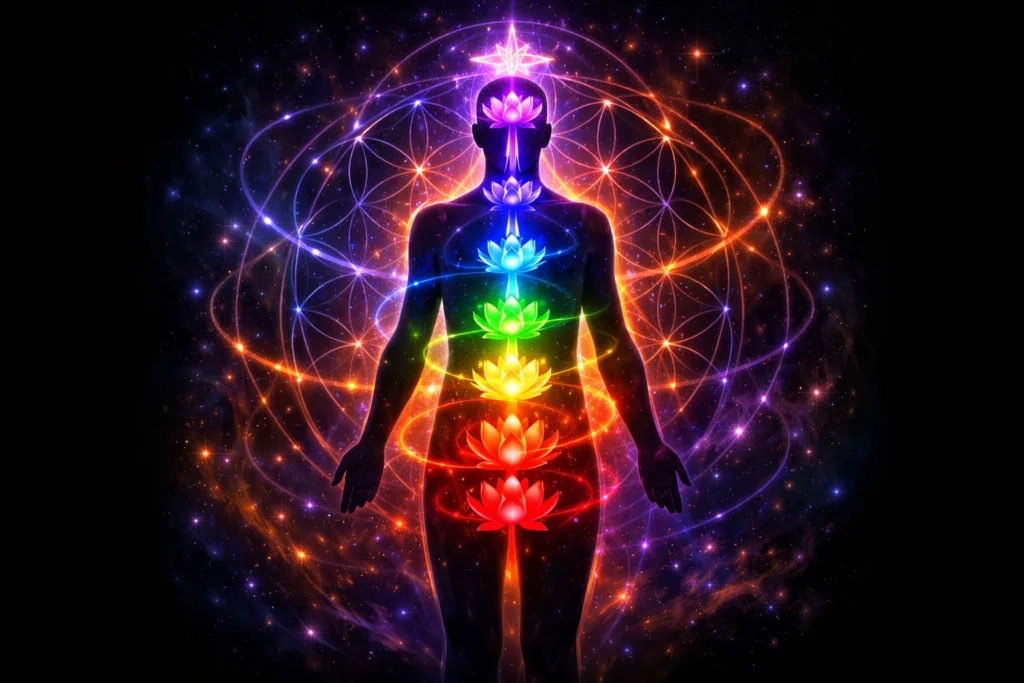
In yogic tradition, the lotus is used to represent each of the seven chakras in the human body. The crown chakra in particular, known as the Sahasrara, is depicted as a thousand-petaled lotus. A lotus tattoo can reflect dedication to yoga, energy healing, or a balanced spiritual life.
Compassion and Empathy
Avalokiteshvara, the Bodhisattva of Compassion in Buddhism, is typically depicted holding a lotus. The flower in this context becomes a symbol of empathy, kindness, and the willingness to remain present with the suffering of others without being consumed by it.
Fertility and New Life
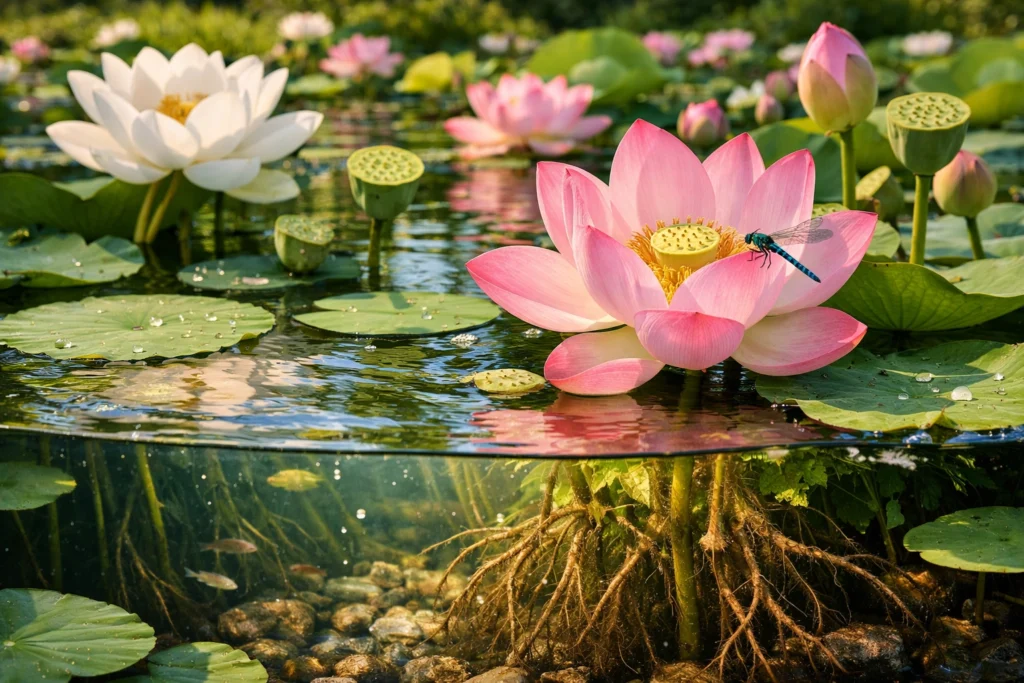
In several ancient cultures, the lotus represented fertility and the life-giving power of water. For those celebrating a new birth, a pregnancy, or the beginning of a family, the lotus can serve as a beautiful and meaningful tattoo symbol.
Beauty in Impermanence
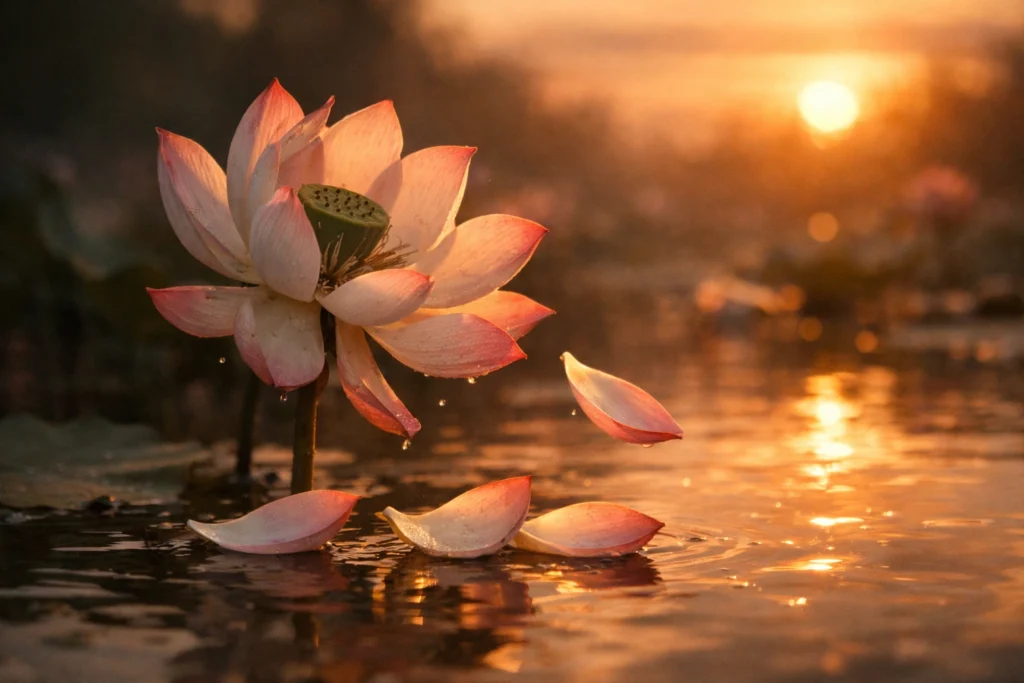
The lotus blooms for only a few days before its petals fall. This transience ties it to the concept of impermanence, a central theme in Buddhist philosophy. A lotus tattoo can honor the beauty of fleeting moments and the acceptance of change.
Honor to Ancestors or Loved Ones Lost
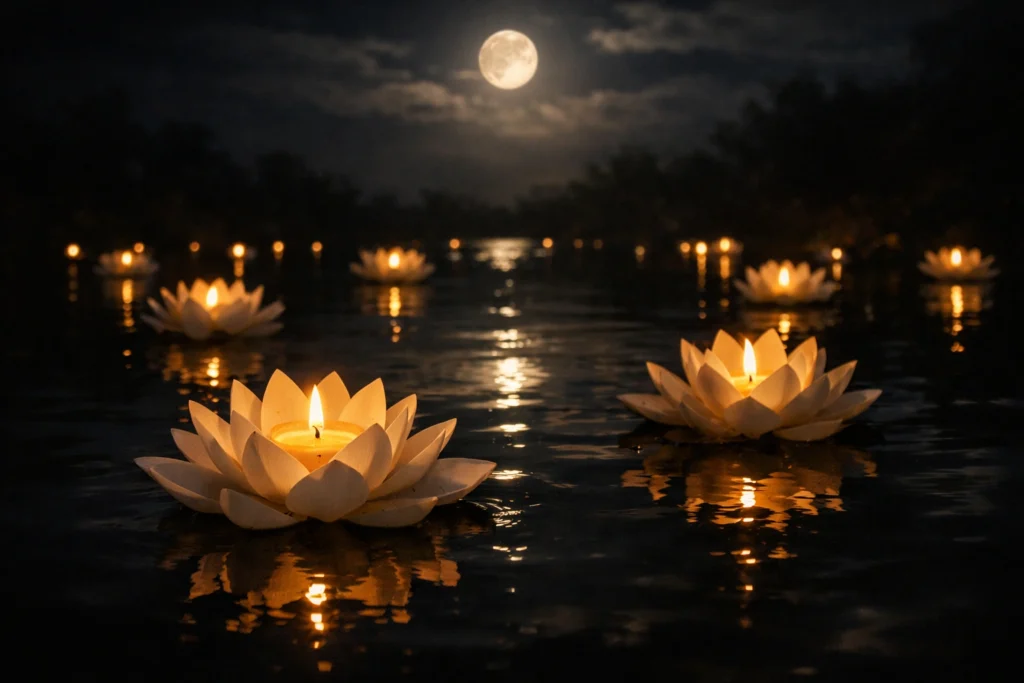
In many Asian cultures, the lotus is associated with the afterlife and the passage of the soul. A lotus tattoo can serve as a tribute to a person who has passed, symbolizing their continued spiritual presence and peaceful transition.
Mindfulness and Present-Moment Awareness
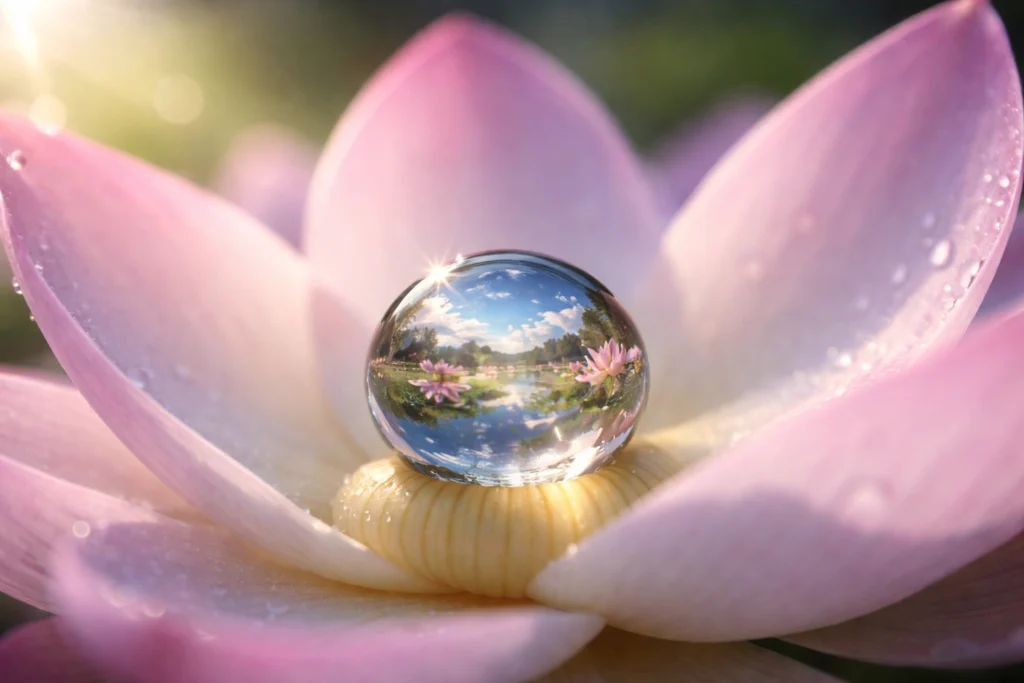
The lotus opens only in the light and only fully at its own pace. This quality makes it a natural symbol for those practicing mindfulness, presence, and intentional living. Many meditation practitioners choose the lotus as a reminder to return to the present moment.
Cultural Heritage and Identity
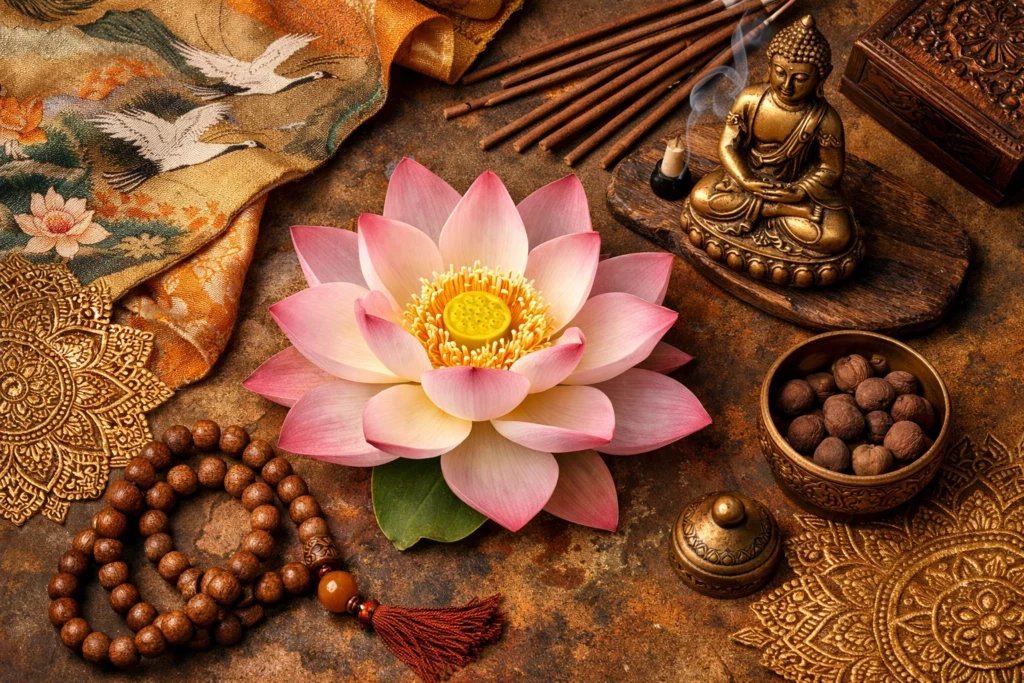
For people with South Asian, East Asian, or Southeast Asian heritage, the lotus is a powerful cultural marker. Getting a lotus tattoo can be an act of honoring one’s roots and celebrating the spiritual traditions passed down through generations.
Hope and the Promise of Better Days
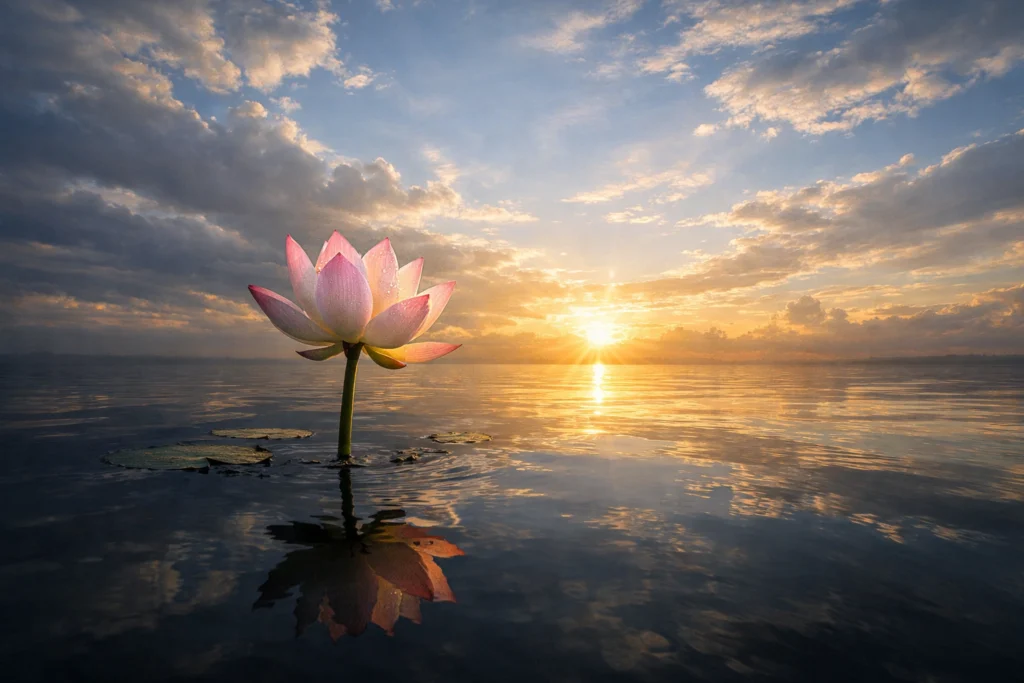
Perhaps one of the most universal lotus flower tattoo meanings is simply hope. The idea that something beautiful can grow from dark and muddy conditions resonates with anyone who has faced hardship and looked toward the future with faith. It is a symbol that says, no matter how difficult things are right now, there is always the possibility of blooming.
What Different Lotus Tattoo Colors Symbolize
Color adds another powerful layer of meaning to a lotus flower tattoo. Choosing the right color can make your tattoo even more personal and intentional.
The white lotus is considered the most sacred in Buddhist tradition and represents mental purity, spiritual perfection, and a complete detachment from worldly desires. The pink lotus is most closely associated with the Buddha himself and is seen as the true lotus of enlightenment. It is considered the highest spiritual symbol in the tradition.
The red lotus is tied to the heart and carries meaning around love, passion, compassion, and deep emotion. It is associated with Avalokiteshvara, the Bodhisattva of Compassion. The blue lotus represents wisdom, logic, and knowledge. It is typically depicted partially closed, suggesting that the pursuit of knowledge is ongoing and never fully complete.
The purple lotus is connected to mystery, spirituality, and esoteric wisdom. It is often associated with Tantric Buddhism and the mystical aspects of the spiritual path. The black lotus, though rare and not found in nature, is used in tattoo art to represent power, authority, rebellion, and the beauty that can be found in darkness or the unknown.
Lotus Flower Tattoo Placement and Its Significance
Where you place your lotus tattoo can also carry meaning. On the back, particularly the upper back or spine, the lotus aligns with the chakra system and suggests a deep spiritual commitment. On the wrist, it serves as a constant visible reminder of the values the lotus represents, such as resilience and purity.
A lotus tattoo on the chest, directly over the heart, emphasizes meanings connected to love, compassion, and emotional healing. On the ankle or foot, it can symbolize the grounded, upward journey from earth toward spiritual heights. On the forearm, it is often chosen as a bold declaration of personal transformation and strength.
Placement at the base of the neck or on the nape can represent the connection between mind and body, aligning with the throat chakra and notions of clear communication and authentic self-expression.
Popular Lotus Flower Tattoo Design Variations
The mandala lotus combines the lotus with the intricate symmetrical patterns of a mandala, creating a design that speaks to cosmic wholeness and meditative focus. This is one of the most detailed and visually striking lotus tattoo styles available.
The unalome lotus pairs the flower with the unalome symbol, a spiral and straight line representing the path to enlightenment. This combination is especially popular and carries deep spiritual meaning, particularly in Buddhist and yoga communities.
The geometric lotus uses precise lines and shapes to create a modern, structured version of the flower. It appeals to those who appreciate minimalism and clean aesthetics while still valuing the symbolic weight of the lotus. Watercolor lotus tattoos use soft, flowing colors that mimic the look of watercolor painting, giving the design a dreamlike and feminine quality.
The Spiritual Connection Between the Lotus and Self-Transformation
At its core, the lotus flower tattoo meaning is about transformation. The mud from which the lotus grows is not just an obstacle. It is the very source of its nourishment. In the same way, the hardships, pain, and challenges of life are not simply things to escape. They are the fertile ground from which personal growth, wisdom, and beauty emerge.
This is why the lotus resonates so deeply with people from all walks of life, across cultures and belief systems. Whether you identify with the Hindu vision of divine grace, the Buddhist pursuit of enlightenment, or simply the human experience of rising after a fall, the lotus speaks a language that transcends tradition and becomes deeply personal.
For many wearers, the lotus tattoo is not just art. It is a living affirmation, a reminder worn on the skin that says: I have come through difficult waters. I have grown. I am still growing. And like the lotus, I will bloom.
Conclusion
The lotus flower tattoo is one of the most meaningful and spiritually rich choices in the world of body art. With 18 distinct meanings ranging from purity and enlightenment to resilience, compassion, and hope, it offers something deeply personal for nearly every person who is drawn to it. Its roots in ancient Hindu, Buddhist, and Egyptian traditions give it a timeless quality, while its modern adaptability in color, style, and design ensures that it remains as relevant and powerful today as it has always been.
Before you commit to your lotus tattoo, take time to reflect on which of these meanings resonates most strongly with your own life story. Consider the color, the placement, and the style that will best express what the lotus means to you. When you align your tattoo with your true intentions, it becomes more than decoration. It becomes a symbol of who you are and who you are becoming.
You may also like this post: 13 Sunflower Tattoo Meaning Explained: What This Bright Flower Represents
Frequently Asked Questions About Lotus Flower Tattoo Meaning
What is the most common lotus flower tattoo meaning?
The most common meaning associated with a lotus flower tattoo is transformation and resilience. The idea that something beautiful can grow from difficult and murky conditions makes it a powerful symbol for anyone who has overcome hardship or is in the process of personal growth.
Does lotus flower tattoo meaning change based on color?
Yes, color significantly affects the meaning of a lotus tattoo. White represents purity and spiritual perfection, pink is associated with enlightenment and the Buddha, red symbolizes love and compassion, blue reflects wisdom and knowledge, and black represents power and the beauty found in darkness.
Is a lotus flower tattoo culturally sensitive?
The lotus is a widely recognized symbol used across Hindu, Buddhist, and Egyptian traditions. While many people from various backgrounds wear lotus tattoos respectfully, it is always a good idea to research its cultural origins and approach the symbolism with genuine appreciation and understanding rather than using it purely as a decorative trend.
Where is the best placement for a lotus flower tattoo?
The best placement depends on your personal intention. The wrist and forearm offer constant visibility, the back and spine align with chakra symbolism, the chest places it over the heart for emotional meaning, and the ankle or foot reflects the upward journey from earth to spirit. There is no single best placement as it depends entirely on what the tattoo means to you.
What does an unalome lotus tattoo mean?
An unalome lotus tattoo combines two powerful symbols. The unalome represents the path to enlightenment, with its spiral symbolizing the wandering and confusion of early life and the straight line representing the clarity that comes with spiritual maturity. Together with the lotus, it forms a tattoo that speaks to the full journey from struggle to awakening.