Introduction
Pain is one of the most frequently cited reasons people hesitate before committing to a tattoo. Whether it is a first small piece on the wrist or an ambitious full-sleeve project requiring multiple long sessions, the prospect of hours under a needle gives even experienced collectors pause. The good news is that the modern market for numbing cream for tattoos has matured significantly, and the best products available today can reduce tattoo-related discomfort by a substantial margin without compromising the quality of the finished work.
Tattoo numbing creams are topical anesthetics designed to be applied to the skin before, and in some cases during, a tattoo session. They work by temporarily blocking the nerve signals responsible for transmitting pain from the skin to the brain. When applied correctly and given adequate time to absorb, they can transform an otherwise challenging session into a manageable and even comfortable experience.
This guide covers 18 of the best numbing creams for tattoos available today, explaining what each one does well, who it is best suited for, and how it compares within the broader market. It also covers the science behind how these products work, the key ingredients to understand before purchasing, and the correct application method for maximum effectiveness.
Ebanel 5% Lidocaine Numbing Cream
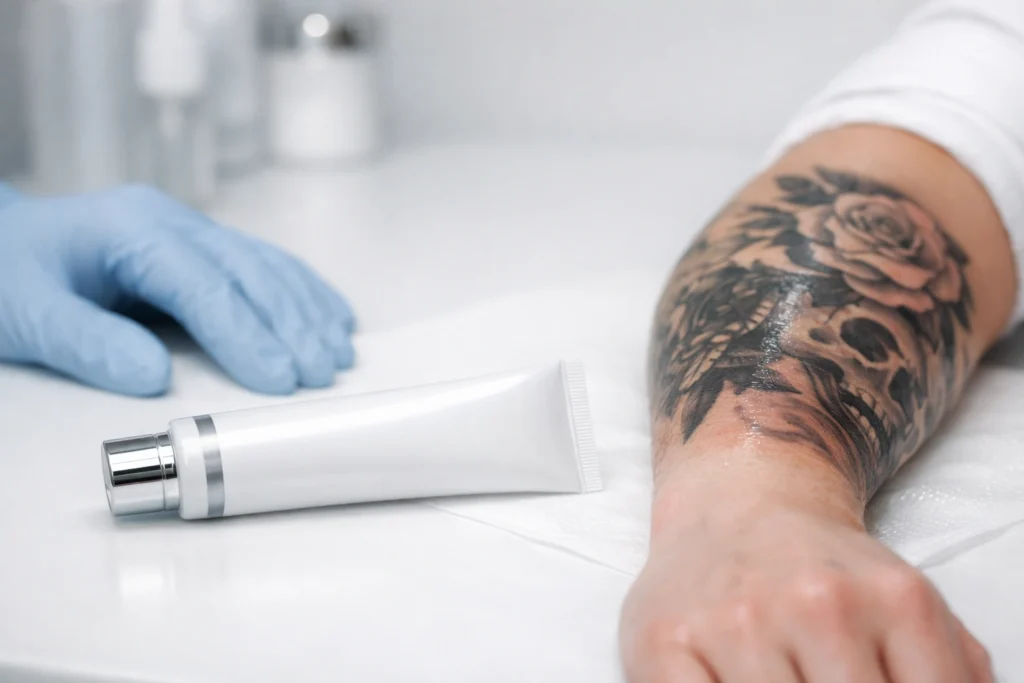
Ebanel is widely considered one of the gold-standard options for tattoo numbing, and it earns that reputation through consistent, reliable performance across a wide range of tattoo types and body locations. Its formula uses maximum-strength 5% lidocaine as the primary active ingredient, accompanied by vitamin E and lecithin to support the skin’s surface during the numbing process. It begins working within 20 to 30 minutes of application and delivers numbing effects that typically last between two and four hours. Ebanel is suitable for first-time users, those getting work done on particularly sensitive areas such as the ribs, feet, or spine, and clients facing long multi-hour sessions. It is fragrance-free and formulated to minimize the risk of skin irritation.
Zensa Numbing Cream
Zensa has built a particularly strong reputation among clients with sensitive skin and those getting facial or cosmetic tattoos. Its pH-neutral, hypoallergenic formula is designed to minimize inflammation and reduce the likelihood of allergic reactions, making it a preferred choice for procedures like microblading, permanent makeup, and fine-line facial work. It contains 5% lidocaine and uses a clean, non-greasy base that absorbs well without leaving a heavy residue. Tattoo artists who specialize in portrait work and realism frequently recommend Zensa because its formula does not cause the skin to swell or change texture in ways that complicate detailed work. Apply it 45 to 60 minutes before the session, covered with plastic wrap, for optimal results.
Dr. Numb Topical Anesthetic Cream
Dr. Numb is one of the most widely recognized names in tattoo numbing and has been a staple of the professional tattoo community for years. Its formula contains 5% lidocaine and is formulated to be effective across a broad range of cosmetic and medical skin procedures beyond tattooing, including waxing, laser hair removal, and minor injections. The cream has a smooth, non-greasy texture that artists describe as skin-friendly and easy to work with. It absorbs cleanly and does not leave residue on the skin that interferes with stencil application. Dr. Numb is available in both cream and spray form, making it versatile for use both before a session begins and as a mid-session top-up on open skin.
SAMNYTE Numbing Cream
SAMNYTE is a top-performing numbing cream for tattoos known for its unusually long duration of effect. Users and artists consistently report numbing effects lasting six to eight hours when the product is applied correctly, making it one of the most effective options for extended tattoo sessions. The cream is applied generously over the area, covered with plastic wrap, and left for 30 to 45 minutes before the session begins. Its formula is formulated for use on intact skin prior to tattooing and provides a deep, sustained level of comfort that suits large-scale projects such as full backs, sleeves, and chest pieces. It is particularly valued by clients with low pain tolerance who need consistent relief across sessions lasting four hours or more.
Hush Anesthetic Tattoo Numbing Cream
Hush is a brand developed specifically for the tattoo industry, and its product line reflects a deep understanding of what both artists and clients need from a numbing product. The cream formula is water-based and designed to be used on intact skin before the session starts. What sets Hush apart is its clean formulation, which avoids the greasy or spongy skin effect that some lower-quality creams produce. Artists report that skin treated with Hush retains a natural feel under the needle, which is important for precise line work. Hush also offers a companion numbing gel designed for use on broken skin during a session, making it a complete system for managing pain at every stage of the process.
Uber Numb 5% Lidocaine Cream
Uber Numb delivers maximum-strength 5% lidocaine in a formula that emphasizes rapid onset. Users report the cream begins taking effect within 20 minutes of application, which is faster than many competitors and makes it practical when time before a session is limited. It is water-based, paraben-free, and suitable for use on most skin types. The cream works well for both smaller tattoos where time is a factor and for larger pieces when applied with adequate lead time. Uber Numb is frequently purchased through online retailers and has accumulated a strong record of positive user feedback, particularly among people getting their first tattoos who want reliable pain relief without complex preparation routines.
Topicaine 5 Numbing Gel
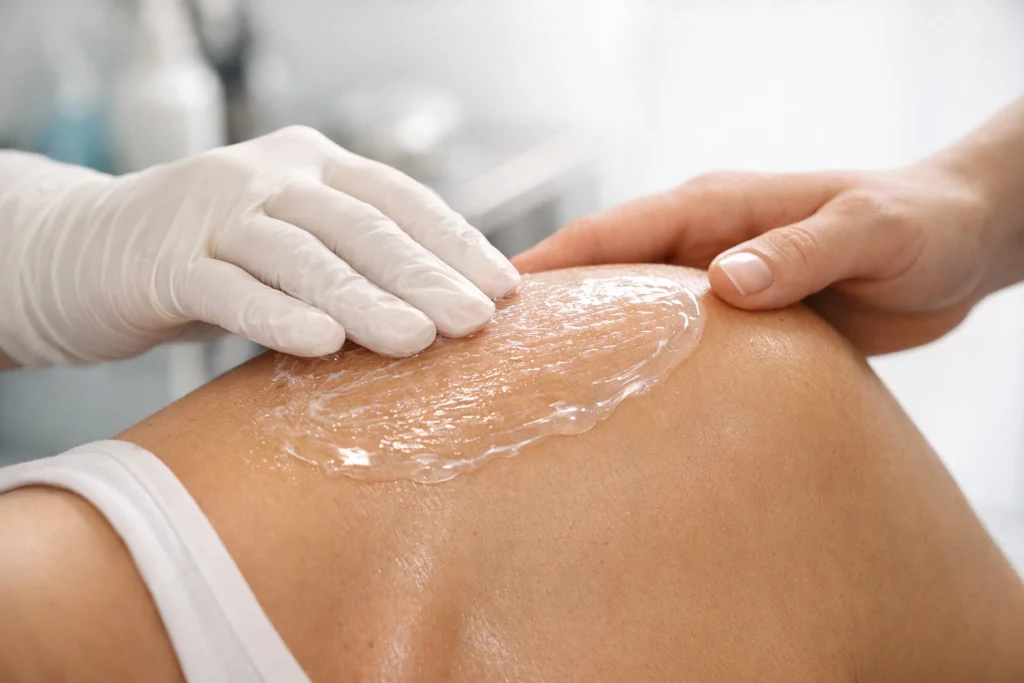
Topicaine 5 offers a gel-based delivery system rather than a traditional cream, which provides a few practical advantages. The gel texture absorbs into the skin more quickly than thicker cream formulas and spreads evenly across larger surface areas with less product. It contains 5% lidocaine as its active ingredient and is marketed as a pharmaceutical-grade formulation with a clean, minimal ingredient list. The gel format makes it particularly well suited to tattooing curved or contoured areas of the body such as the shoulder, calf, and upper chest, where traditional creams can shift or pool unevenly. It is widely used by both professional studios and individual clients.
Greencaine Blast Numbing Spray
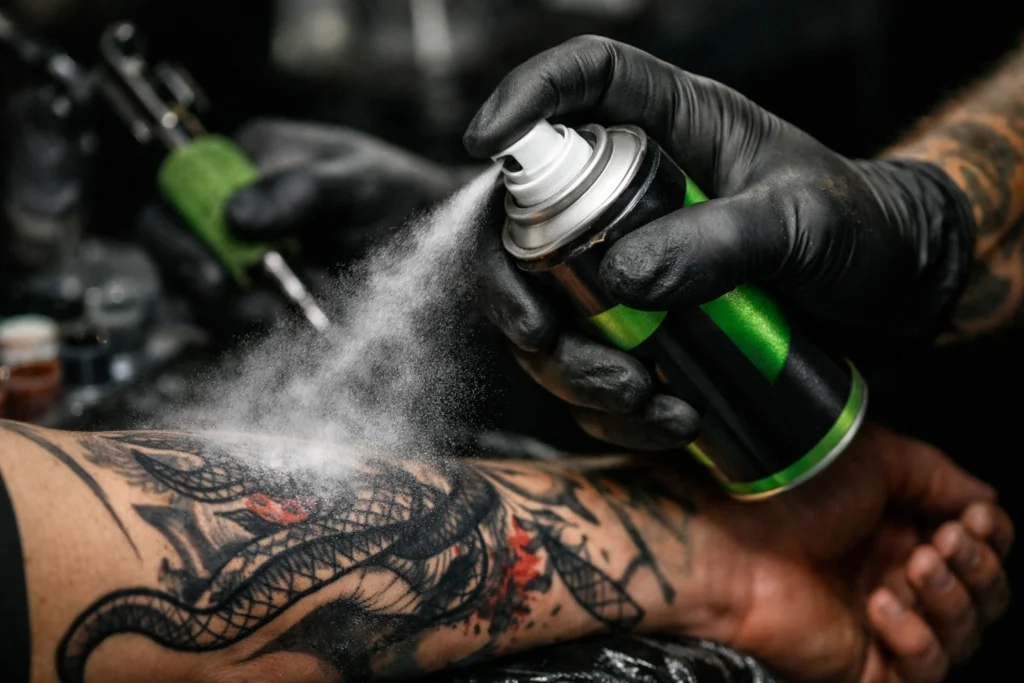
Greencaine Blast is a lidocaine-based numbing spray formulated for use on open skin during an active tattoo session. Unlike pre-application creams, sprays like Greencaine are applied directly to the skin after the artist has already begun working, allowing the active ingredients to penetrate the dermis through the micro-perforations created by the needle. Greencaine provides rapid relief, typically within two to five minutes of application, and is particularly useful when a client who began their session without numbing cream becomes uncomfortable midway through. Artists apply it between passes, allowing it to absorb briefly before continuing the work.
TKTX Numbing Cream
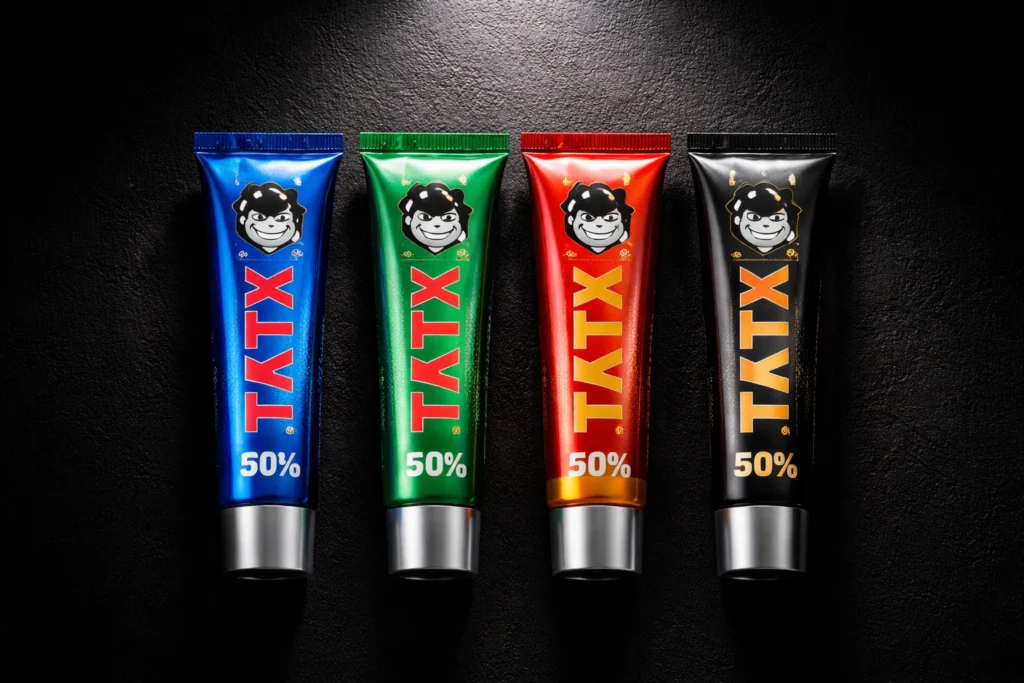
TKTX is an internationally sourced numbing cream that has gained a substantial following in the tattoo community, particularly among clients seeking stronger or faster-acting formulas. It is available in several color-coded variants that reflect different strengths and ingredient combinations. The most commonly used variants for tattooing contain lidocaine, benzocaine, and tetracaine in combination, which addresses pain through multiple mechanisms simultaneously. TKTX has captured a significant share of the international numbing cream market and is particularly popular among clients in regions where higher-concentration formulas are available. Users should verify the specific active ingredient percentages on the packaging before use and confirm their artist is comfortable with the product.
Hush Anesthetic Tattoo Numbing Gel
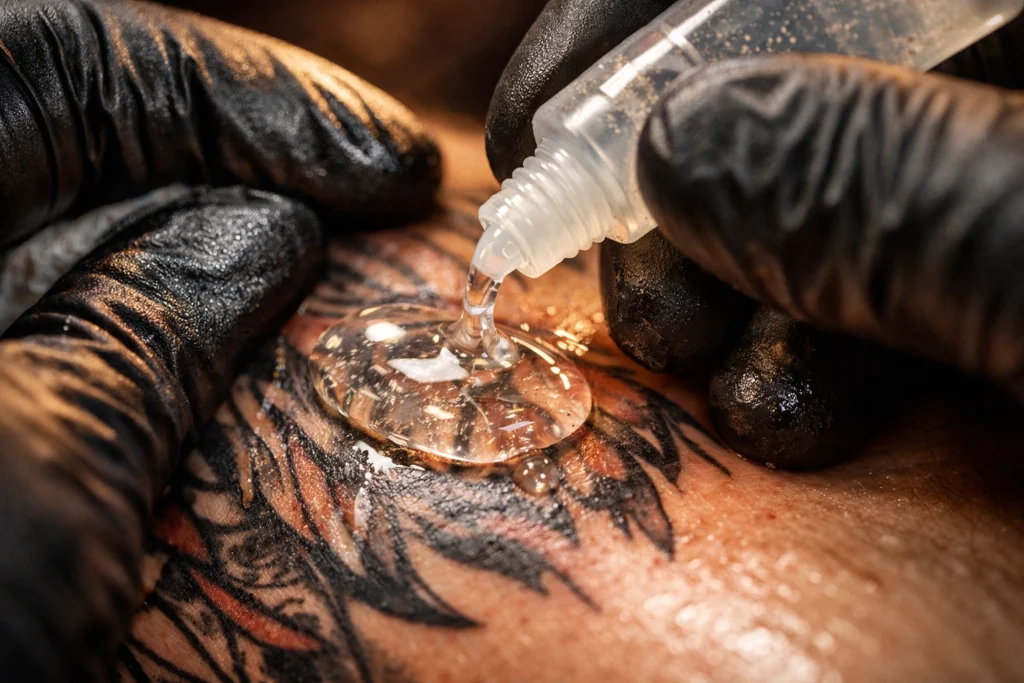
Distinct from Hush Cream, the Hush Numbing Gel is specifically designed for use on broken skin during an active session. It is a clear, water-based gel applied by the tattoo artist between passes on open, already-worked skin. Because broken skin absorbs topical anesthetics far more rapidly than intact skin, this gel works within two to five minutes and provides meaningful relief when a client reaches their pain limit during a long session. Hush Gel is a preferred mid-session tool among professional artists and is formulated to avoid interfering with ink saturation or line quality when used in appropriate quantities.
NumbSkin Topical Anesthetic Cream
NumbSkin is a pharmaceutical-grade numbing cream used across a range of cosmetic procedures including tattooing, laser treatments, and waxing. It contains 5% lidocaine and a supportive base designed to enhance skin penetration and prolong the duration of the numbing effect. NumbSkin is notable for its clean formulation, which excludes parabens, artificial fragrances, and harsh preservatives. It is a reliable option for clients with reactive skin types who want effective pain management without the risk of a chemical reaction during their session. Apply it under plastic wrap for a minimum of 45 minutes before the appointment for best results.
Painless Tattoo Numbing Cream by TBNC
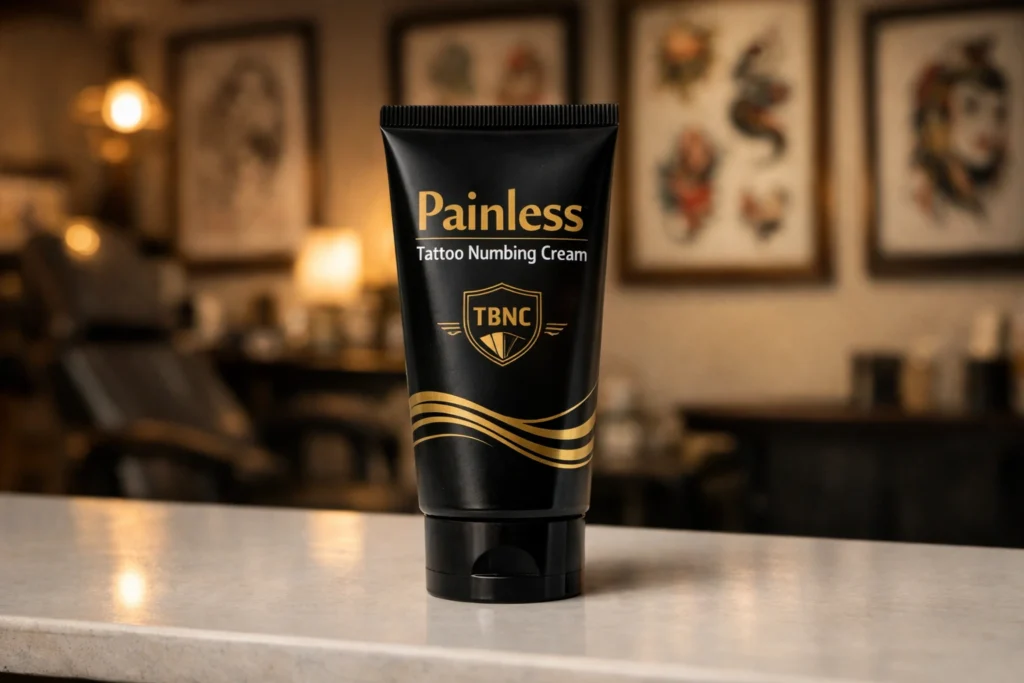
TBNC, short for The Best Numbing Cream, is a brand that has earned consistent recognition within the professional tattoo studio community. It is carried in over 3,000 licensed tattoo studios worldwide and has sold more than one million units, credentials that speak to its sustained performance and artist trust. Its formula is paraben-free, cruelty-free, and built around a maximum-strength lidocaine base. TBNC is positioned as a studio-grade product rather than a consumer novelty, and its formulation reflects that orientation. Artists appreciate its predictable behavior on the skin, and clients report reliable comfort lasting well into multi-hour sessions.
Recovery Science NumbLock
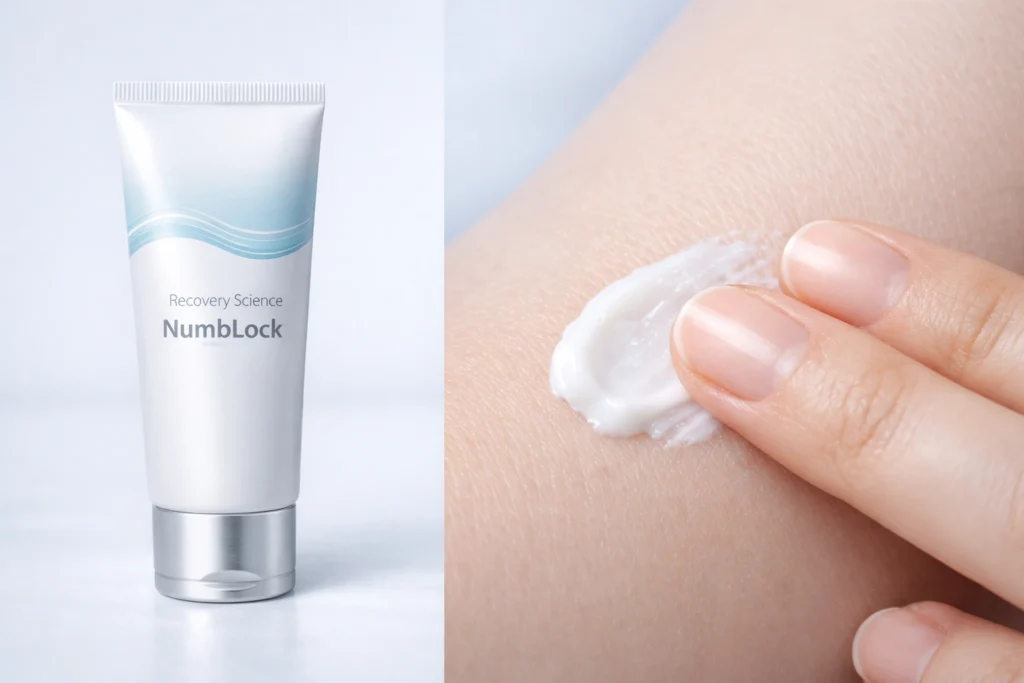
Recovery Science NumbLock is a newer entrant to the numbing cream for tattoos market but has quickly distinguished itself through a safety-first formulation approach. It is particularly well regarded for use with clients who have skin sensitivities, contact dermatitis, or other dermatological considerations that make standard numbing cream formulas problematic. NumbLock’s pH-balanced base minimizes inflammatory responses and is designed to work without causing the skin texture changes that sometimes complicate detailed tattoo work. Artists working in cosmetic tattooing, realism, and fine-line portraiture have adopted it as a preferred option when client skin history demands extra care.
Numb 520 Cream
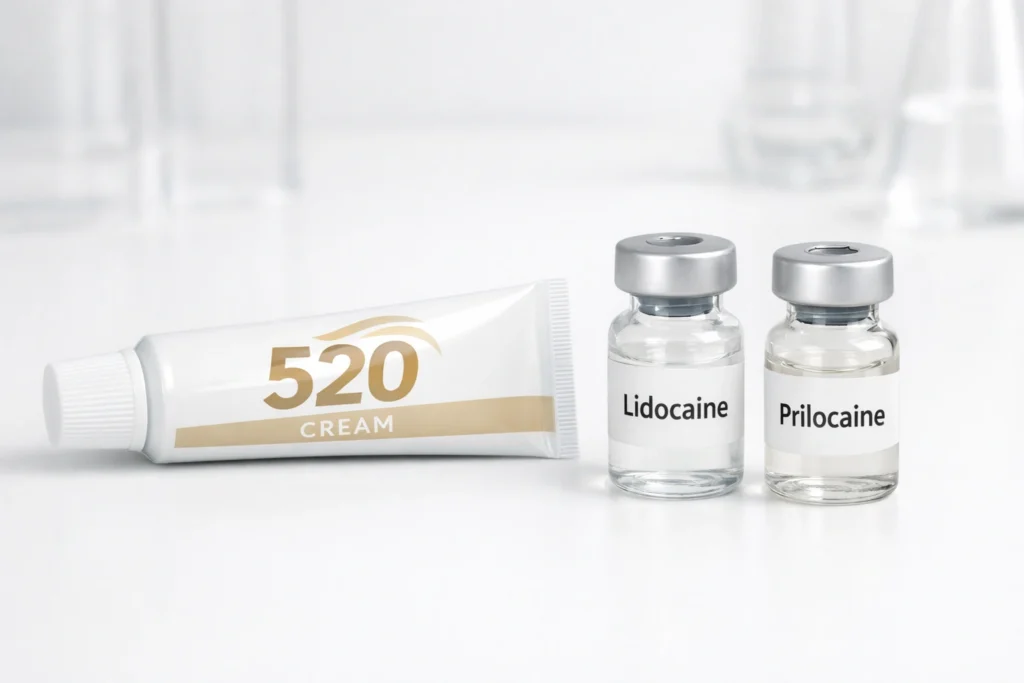
Numb 520 is a well-reviewed numbing cream that combines 5% lidocaine with prilocaine to deliver a two-agent numbing effect. The combination of lidocaine and prilocaine is the same pairing used in professional clinical-grade topical anesthetics, which gives Numb 520 a credibility advantage among clients who have done research on anesthetic chemistry. The dual-agent approach provides faster onset and potentially deeper numbing than single-agent lidocaine formulas. It is suitable for use on the face, body, and all standard tattoo locations and is formulated to be gentle enough for sensitive skin types.
LMX 5 Topical Anesthetic Cream
LMX 5 is a pharmaceutical-quality topical anesthetic that contains 5% lidocaine in a liposomal delivery base. The liposomal technology improves how efficiently the active ingredient penetrates the skin, which translates to faster onset times and more consistent numbing depth compared to conventional cream bases. It is one of the few over-the-counter numbing creams to use this pharmaceutical-grade delivery system. LMX 5 is widely available through pharmacies and online retailers and is used not only for tattooing but also for IV insertions, blood draws, and minor dermatological procedures. Its clean formulation and reliable track record make it a strong choice for clients who want pharmaceutical certainty.
Ink Scribd Tattoo Numbing Cream
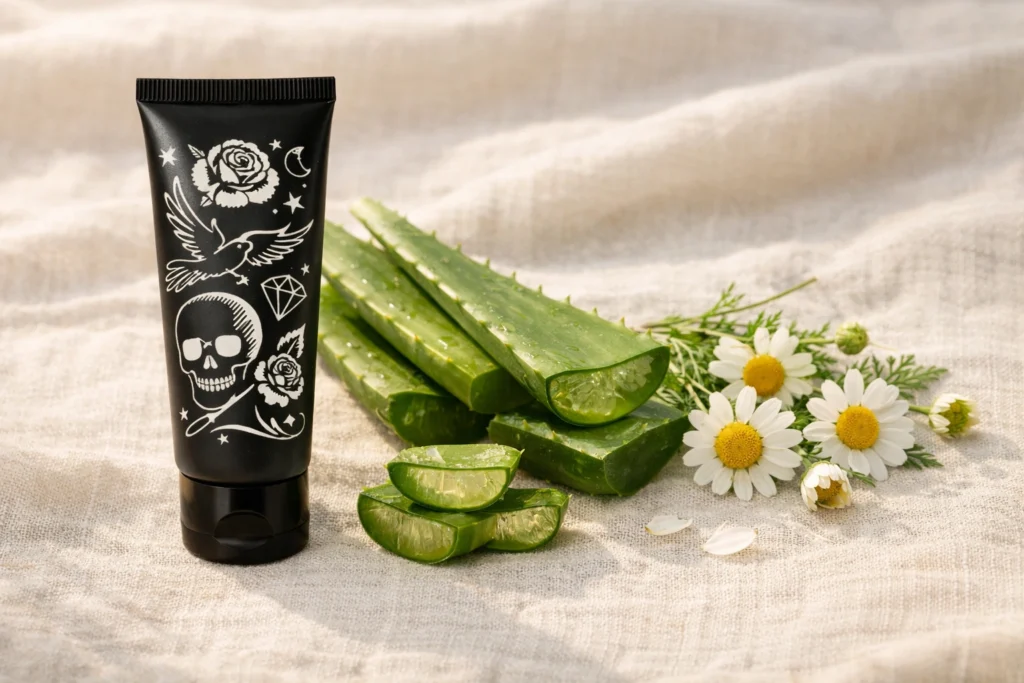
Ink Scribd is a tattoo-specific numbing cream formulated with a 5% lidocaine base and a supportive blend of aloe vera and chamomile extract to soothe the skin before and after the session. The inclusion of calming botanicals distinguishes it from purely clinical formulas and makes the application experience noticeably more comfortable on reactive or easily irritated skin. It absorbs efficiently under plastic wrap and delivers consistent numbing effects lasting approximately two to three hours. Ink Scribd is marketed directly to tattoo clients rather than medical providers, and its approachable branding and clear usage instructions make it a good option for people preparing for their first tattoo.
Deeveeant EMLA-Style Numbing Cream
Deeveeant produces a numbing cream modeled on the EMLA formulation used clinically, combining lidocaine and prilocaine in a eutectic mixture that allows both agents to penetrate the skin more effectively than either would alone. The eutectic combination lowers the melting point of the combined agents, creating a liquid state that absorbs into skin tissue efficiently. This formulation approach is borrowed directly from clinical anesthesiology and brings a level of pharmaceutical science to the over-the-counter tattoo numbing space that few competitors can match. It is particularly effective for long sessions on high-pain areas and is well suited to experienced clients who want the most clinically rigorous pain management available without a prescription.
Vasocaine Tattoo Numbing Spray
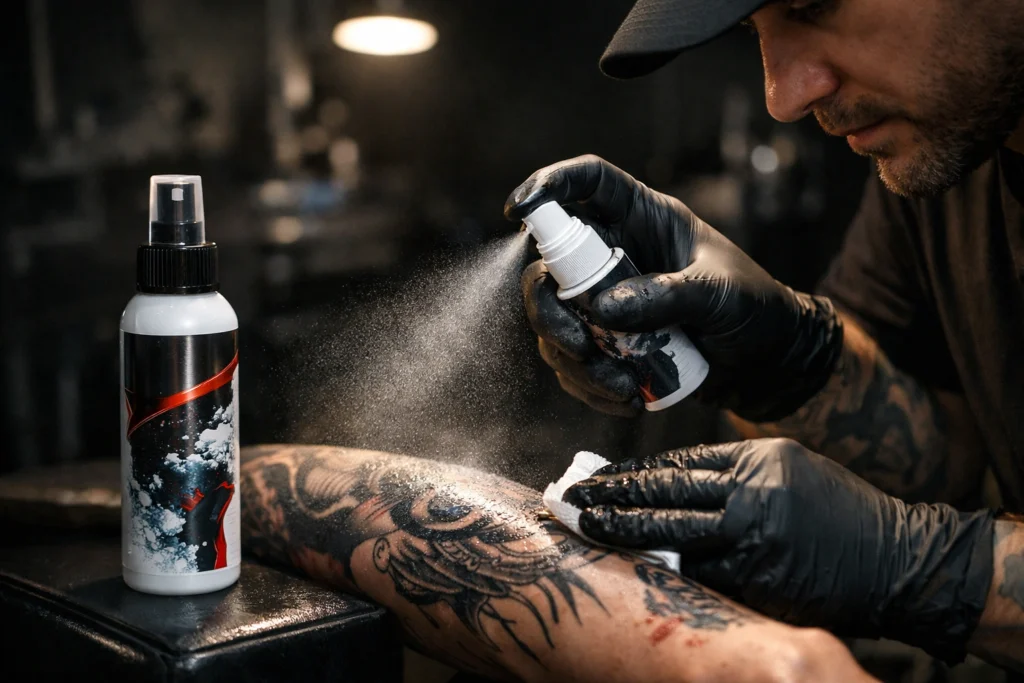
Vasocaine rounds out this list as a specialist mid-session spray formulated with both lidocaine and epinephrine. The epinephrine component acts as a vasoconstrictor, constricting the small blood vessels in the tattooed area to reduce bleeding, minimize swelling, and dramatically extend the duration of the numbing effect. Without a vasoconstrictor, most numbing agents wear off well before the end of a long session. With epinephrine present, the numbing effect of the lidocaine is preserved for significantly longer. Vasocaine is applied by the tattoo artist to open skin during the session and should be used conservatively, as epinephrine can elevate heart rate in sensitive individuals. Clients with cardiovascular conditions or anxiety disorders should consult a physician before using epinephrine-containing products.
How Numbing Cream for Tattoos Actually Works
Understanding the science behind numbing cream makes it easier to use these products effectively and set realistic expectations before a session. Tattoo pain originates in the nerve endings that sit just below the surface of the skin in the dermis. When a tattoo needle penetrates the skin repeatedly, these nerve endings detect the stimulus and send electrical signals along nerve fibers toward the brain, which interprets those signals as pain.
Topical anesthetics like lidocaine work by blocking sodium channels in nerve cell membranes. Sodium channels are essential to the generation and transmission of these electrical nerve signals. When lidocaine molecules bind to these channels, they prevent sodium ions from flowing in, which stops the nerve from firing. The result is a temporary inability of those nerves to send pain signals to the brain.
The three categories of active ingredients found in numbing creams for tattoos operate through related but distinct mechanisms. Nerve deadeners such as lidocaine and benzocaine block the initial registration of pain at the surface level. Nerve blockers such as tetracaine go deeper and interfere with the transmission of pain signals through nerve fibers beneath the surface. Vasoconstrictors such as epinephrine do not directly numb pain but constrict blood vessels, slow the absorption of the anesthetic into the bloodstream, and dramatically extend how long the numbing effect lasts. The most effective products combine all three categories.
Key Ingredients to Understand Before Buying
Lidocaine is the most important active ingredient in any numbing cream for tattoos. The maximum concentration available over the counter in the United States is 5%, and the best products use this full concentration. Benzocaine is a secondary anesthetic that enhances the surface numbing effect of lidocaine. Tetracaine provides deeper nerve blocking and is particularly useful for pain felt during longer sessions when the needle works into deeper layers of the skin. Prilocaine is frequently paired with lidocaine in clinical-grade formulas because the combination, known as a eutectic mixture, penetrates the skin more efficiently than either ingredient alone. Epinephrine is a vasoconstrictor that should be used carefully and only when recommended by a knowledgeable artist.
Beyond active ingredients, the quality of the base formula matters considerably. Water-based formulas absorb cleanly and do not leave a greasy residue that interferes with the stencil or the artist’s ability to feel the skin. Formulas with liposomal delivery systems push the active ingredient deeper into the dermis, improving both onset speed and numbing depth. Products that include skin-soothing agents such as aloe vera, vitamin E, or chamomile extract reduce pre-session skin irritation and support recovery after the session is complete.
How to Apply Numbing Cream for Tattoos Correctly
Correct application is just as important as product selection. A high-quality numbing cream applied incorrectly will deliver underwhelming results, while even a mid-range product used properly can provide excellent pain relief.
Begin by washing the area to be tattooed thoroughly with soap and warm water and patting it completely dry. Clean, dry skin absorbs the active ingredient far more efficiently than oily or damp skin. Apply a generous, thick layer of the cream over the entire tattoo area. Do not rub it in. Applying it in a thick, unabsorbed layer maximizes surface contact and penetration. Cover the area with a thin sheet of plastic wrap and apply gentle pressure to seal it against the skin. The plastic creates a warm, humid microenvironment that significantly improves absorption and onset speed.
Leave the cream and wrap in place for 45 to 60 minutes before the session. Do not leave the wrap on for more than two hours, as prolonged occlusion can cause skin maceration. Remove the wrap immediately before your appointment and wipe away the remaining cream with a clean cloth. Inform your artist that you have used a numbing cream so they can account for any subtle changes in skin texture during the session.
What to Avoid When Choosing a Numbing Cream
Not all products marketed as numbing cream for tattoos are created equal, and some of the warning signs of a poor-quality product are easy to miss. Avoid products that do not clearly list their active ingredients and concentrations on the label. Reputable numbing creams always disclose the percentage of lidocaine or other anesthetics present. Be cautious of products claiming concentrations higher than 5% lidocaine for over-the-counter sale in the United States, as these claims are often misleading and the products may contain unlisted or unregulated ingredients.
Petroleum-heavy base formulas are another concern. Creams with a greasy, oil-based consistency leave residue on the skin that interferes with stencil transfer and can affect the artist’s grip and control. Avoid any product that contains high concentrations of alcohol, which dries out the skin and can cause irritation. Finally, never apply a numbing cream to broken skin unless the product is specifically formulated for that use. Pre-session creams are designed for intact skin only, and using them on open wounds can cause systemic absorption of the active ingredients at unsafe levels.
Conclusion
The decision to use numbing cream for tattoos is a personal one, but it is increasingly supported by professional artists and clients alike who recognize that comfort and quality are not mutually exclusive. The 18 products covered in this guide represent the full spectrum of what is available, from pharmaceutical-grade clinical formulas to artist-developed studio staples and gentle options for sensitive skin. Choosing the right product comes down to understanding your own pain tolerance, the location and scale of your tattoo, and the preferences of your artist. Apply it correctly, give it adequate time to work, and communicate openly with your artist throughout the session. When all of these elements come together, the result is a tattoo experience that is far more comfortable, more precise, and ultimately more enjoyable than it would be without preparation.
You may also like this post: Top 16 Tattoo Aftercare Products for Fast Healing and Vibrant Ink
Frequently Asked Questions
Is numbing cream safe to use for tattoos?
Yes, when used as directed, lidocaine-based numbing creams are safe for most healthy adults. Always follow the product instructions, apply only to intact skin unless the product specifies otherwise, and inform your tattoo artist before your session. People with cardiovascular conditions or known lidocaine sensitivity should consult a physician first.
How long does numbing cream last during a tattoo session?
Most quality numbing creams provide relief lasting two to four hours. Products containing vasoconstrictors like epinephrine can extend this duration significantly. For sessions longer than four hours, your artist may use a mid-session numbing spray or gel to maintain comfort throughout.
Does numbing cream affect tattoo quality or ink retention?
High-quality numbing creams applied correctly do not significantly affect ink retention or line quality. Some lower-quality products can cause temporary changes in skin texture, making it feel slightly spongy, which some artists find challenging. Choosing a reputable product and using it as directed minimizes this risk.
How early should I apply numbing cream before my tattoo appointment?
Apply numbing cream 45 to 60 minutes before your session begins, covered with plastic wrap for maximum absorption. Applying it too early, more than two hours in advance, can cause skin maceration and reduce effectiveness.
Can I use numbing cream on any body part?
Numbing cream can be applied to most areas of the body. It is especially beneficial on high-pain locations such as the ribs, spine, feet, hands, and inner arms. Exercise caution with products containing epinephrine on highly vascular areas and always consult your artist about the suitability of any numbing product for your specific tattoo location.