
Introduction
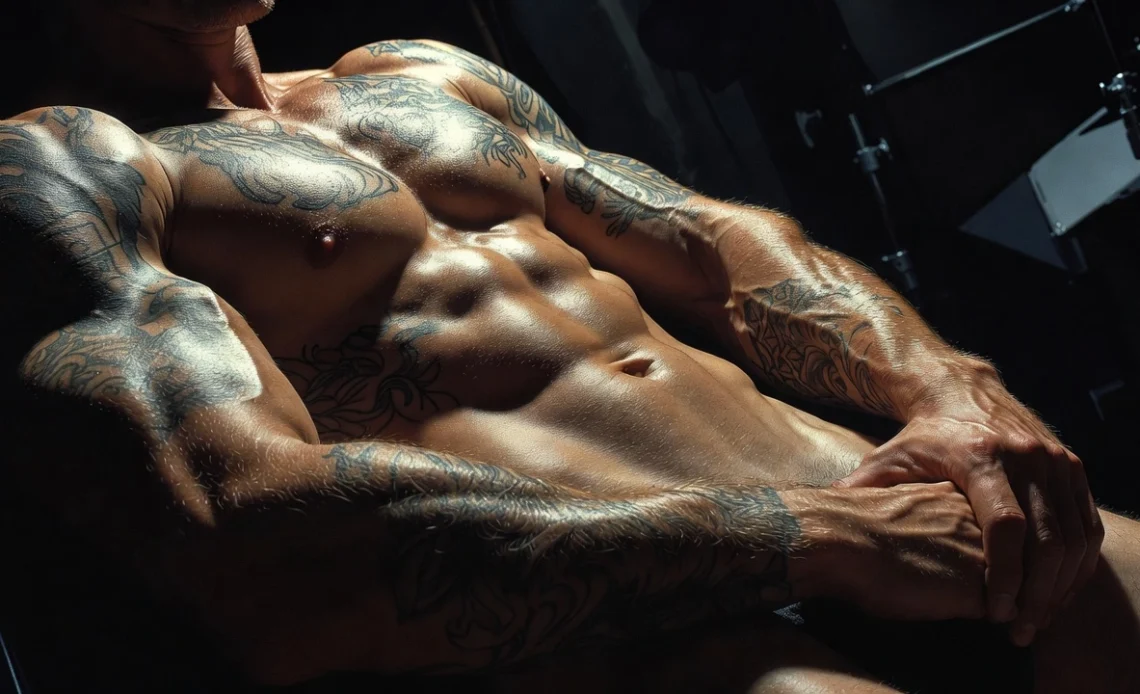
When most men think about getting a tattoo, they spend the majority of their time focused on the design. The image, the style, the color palette. What often gets overlooked until the last moment is one of the most consequential decisions in the entire process: where on the body that tattoo will live permanently.
Tattoo placement for men is not a secondary concern. It is a foundational one. The location you choose shapes how a design looks, how it ages, how much it hurts to get, whether you can cover it at work, and whether it carries the weight you intend it to carry. A powerful piece of artwork placed on the wrong part of the body can look awkward. A simple design placed thoughtfully can become one of the most striking things about a person.
This guide covers 16 of the best tattoo placement ideas for men, drawing on the most commonly explored spots in modern tattooing. Whether you are getting your first piece or adding to a growing collection, understanding these placements will help you make a decision that you are genuinely proud of for years to come.
Before diving into the placements themselves, it is worth understanding a few key factors that should inform any placement decision. Pain tolerance matters because some areas are significantly more sensitive than others, particularly near bone, cartilage, and areas with thin skin. Visibility matters because some men want their tattoos front and center while others need the option to keep their ink private for professional reasons. Design size matters because certain placements only accommodate small work while others demand a larger canvas to do justice to the art. And long-term body changes matter because weight fluctuations, muscle gain, and aging can all affect how a tattoo looks over time.
With those factors in mind, here are 16 tattoo placement ideas for men worth serious consideration.
The Forearm
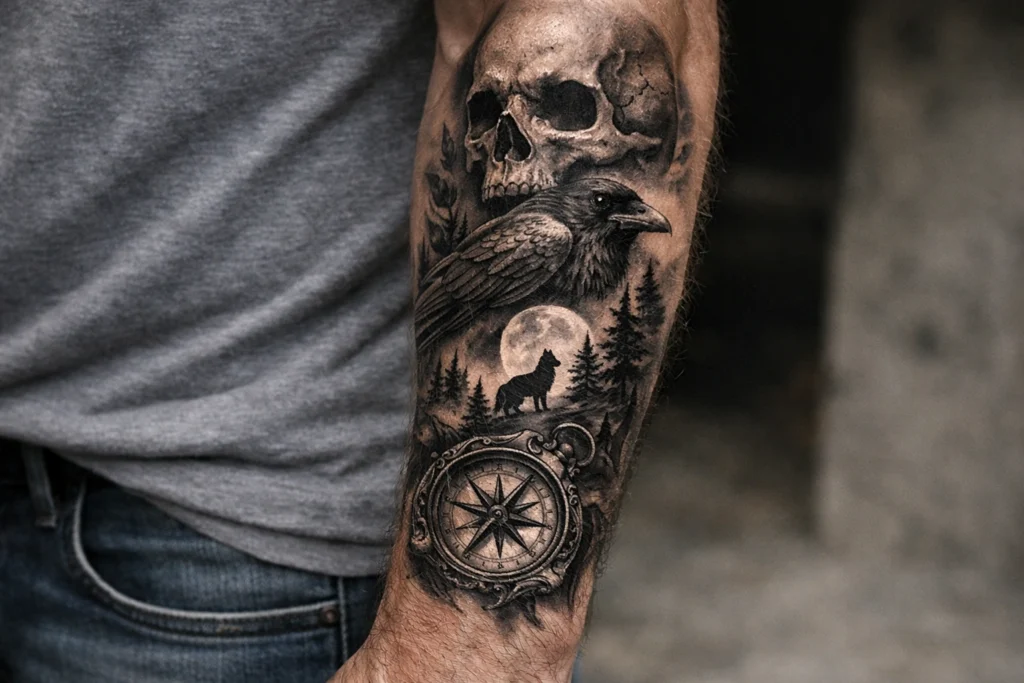
The forearm is one of the most consistently popular tattoo placements for men, and for good reason. It offers a long, relatively flat surface that works beautifully for everything from bold script and geometric designs to portrait realism and Japanese-style artwork. The outer forearm is highly visible, making it ideal for men who want their tattoo to be seen regularly. The inner forearm is slightly more personal and can be covered more easily.
Pain levels in this area are moderate, making it one of the better starting points for men getting their first tattoo. Designs like quote tattoos, compass motifs, and detailed illustrative work translate exceptionally well here. The forearm is also a practical foundation if you ever decide to build toward a full sleeve.
The Upper Arm and Bicep
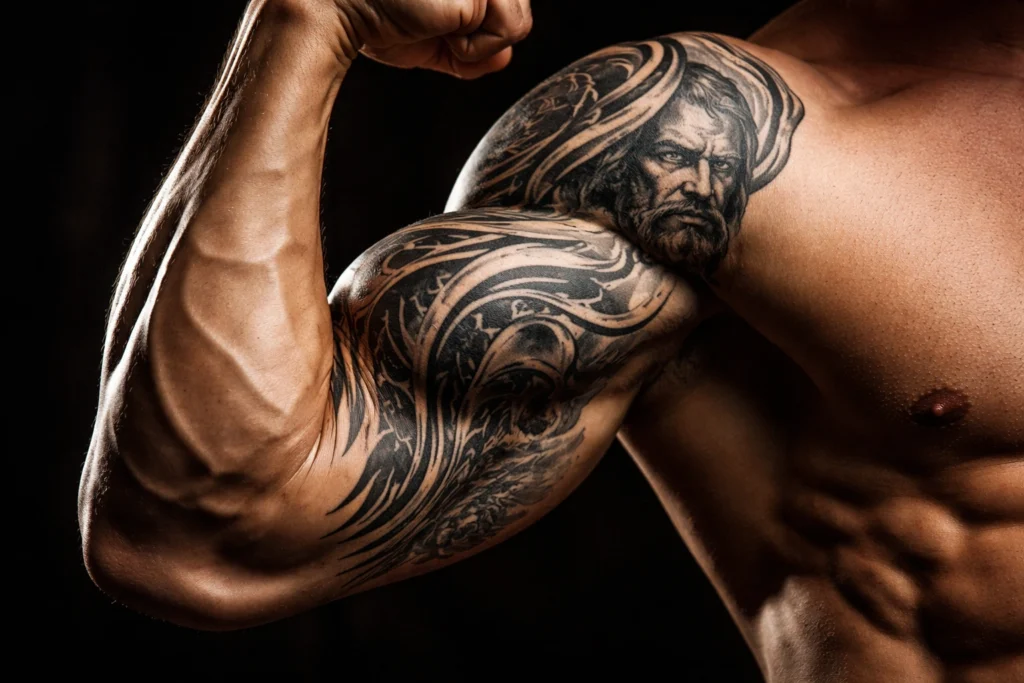
The upper arm, particularly the outer bicep, has been a go-to location for men’s tattoos across generations and cultures. The surface is generous and relatively stable, meaning the skin does not stretch dramatically with weight changes the way other areas might. Tribal designs, portrait tattoos, biomechanical themes, and bold blackwork all sit naturally in this space.
From a pain standpoint, the outer upper arm is among the least uncomfortable places to get tattooed. The inner bicep is more sensitive but still very manageable for most men. The shape of the bicep also lends itself well to designs that benefit from a slightly curved surface, such as circular mandalas or animal faces.
The Full Sleeve
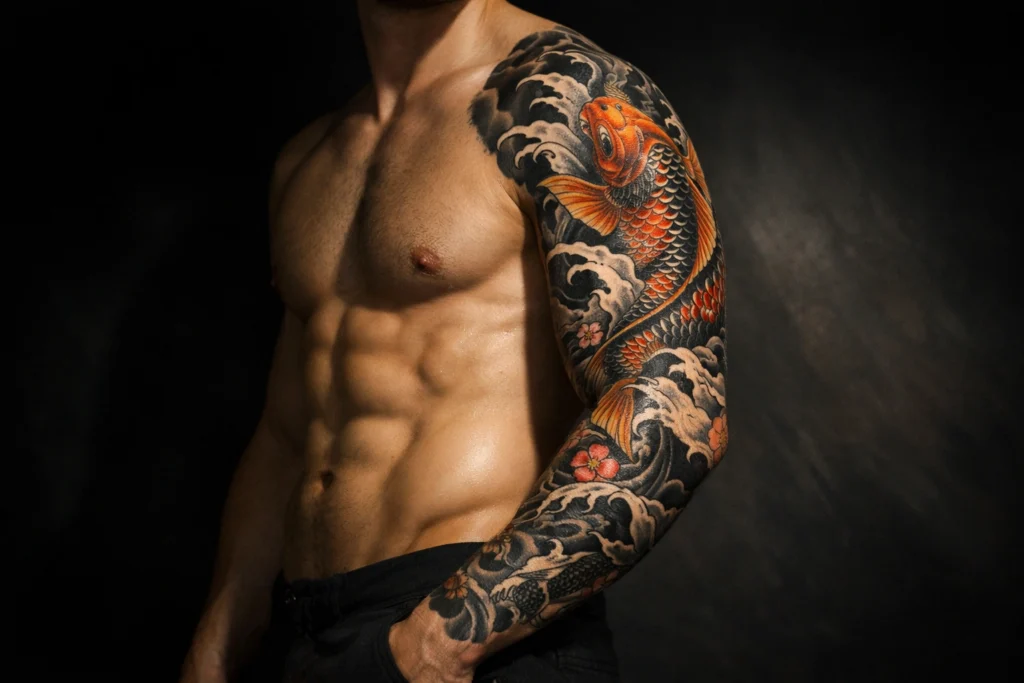
For men with a long-term vision for their body art, the full sleeve represents the ultimate expression of that commitment. Running from the shoulder all the way to the wrist, a sleeve tattoo transforms the entire arm into a cohesive canvas for storytelling. Themed sleeves in Japanese traditional style, featuring elements like koi fish, dragons, and waves, are among the most striking examples of this format.
A sleeve requires planning, patience, and a significant investment of time and money since it is completed over multiple sessions. The key to a great sleeve is working with an artist who understands how to design around the natural anatomy of the arm, using focal pieces on the upper arm and flowing detail on the forearm to create unified movement from shoulder to wrist.
The Chest
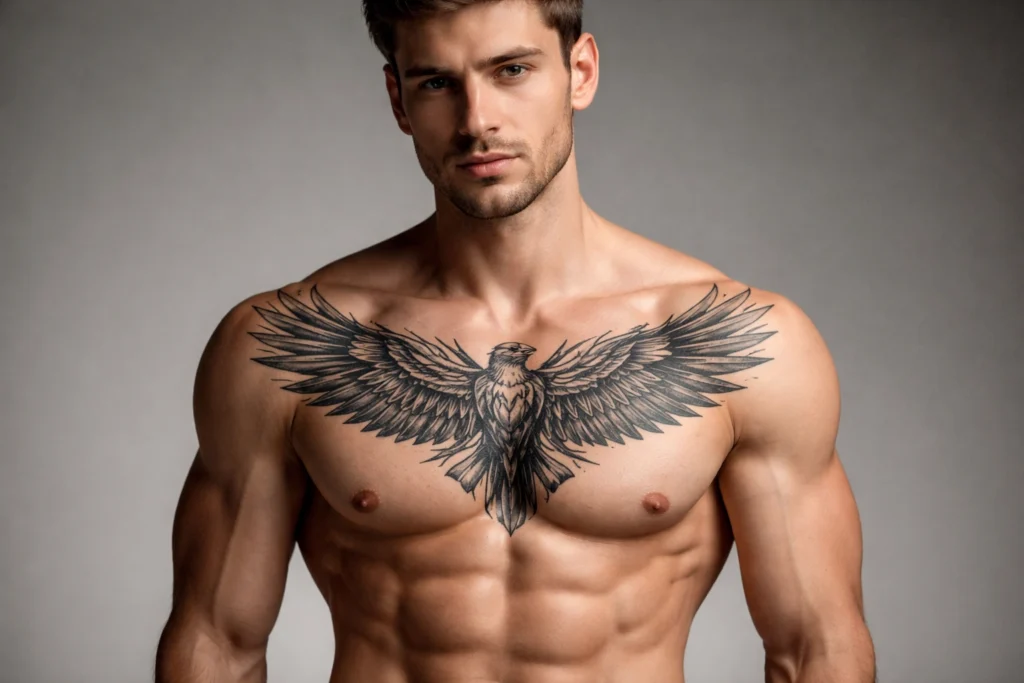
The chest has always been regarded as one of the most powerful and masculine tattoo placements available. Its proximity to the heart makes it a natural choice for deeply personal designs, and the broad pectoral surface provides ample space for large, symmetrical artwork. Eagles, lions, mythological figures, and geometric armor patterns are all highly effective chest tattoo designs for men.
Pain levels vary across the chest. The outer pectoral area is relatively tolerable, while the area near the sternum and collarbone can be significantly more intense due to the proximity to bone. Chest tattoos can be easily hidden under a shirt or displayed with an open collar, making them versatile from a visibility standpoint.
The Back
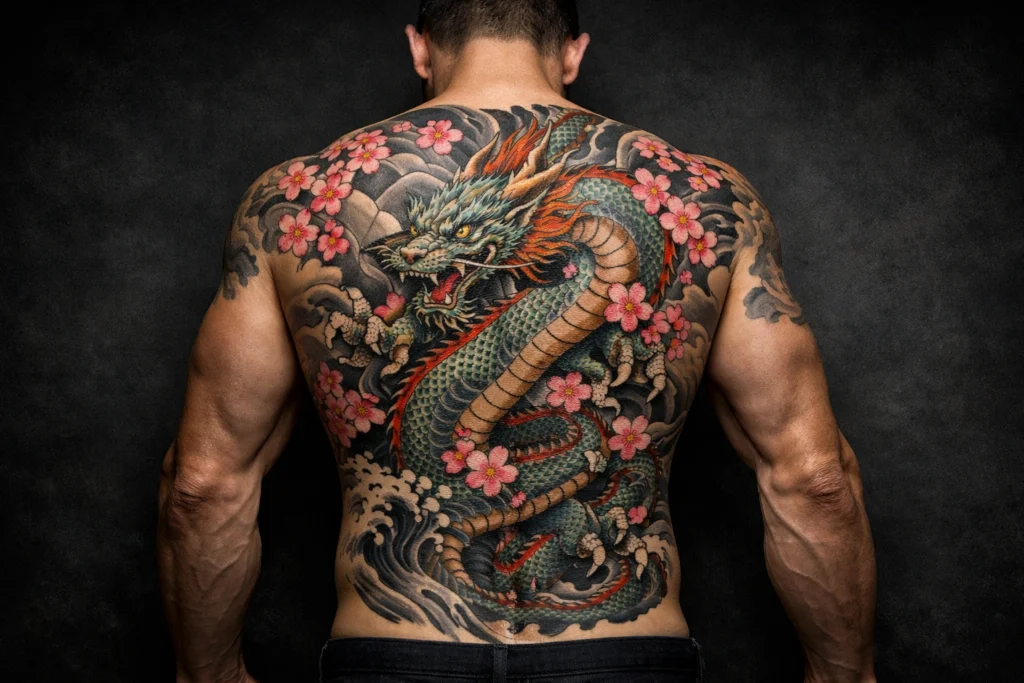
The back is the largest single canvas on the human body, and for men who want a truly ambitious piece of artwork, it is unmatched. A full back piece can accommodate sweeping narratives: Japanese landscapes with dragons and cherry blossoms, large-scale geometric patterns, angel wings, or religious iconography rendered in extraordinary detail.
Because the back is typically hidden, these tattoos tend to be deeply personal rather than performative. They are chosen by men who want the artwork to mean something to them rather than constantly putting it on display. Back tattoos generally require multiple sessions to complete and can involve some discomfort near the spine and shoulder blades, where the skin sits close to bone.
The Shoulder
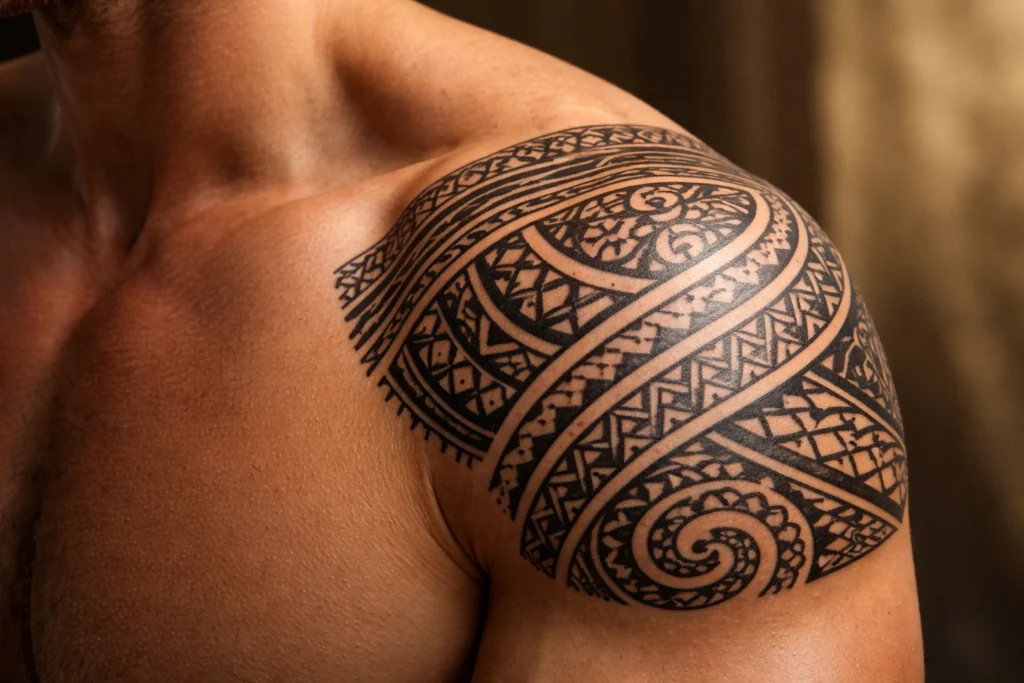
The shoulder is a classic masculine placement that has been used across cultures for centuries, from Polynesian tribal traditions to modern blackwork and neo-traditional styles. The rounded surface of the shoulder works naturally with circular and symmetrical designs, and the placement is particularly well-suited for artwork that might eventually extend onto the chest or down the arm.
Shoulder tattoos carry strong symbolic associations with strength, protection, and burden-bearing. Pain levels are generally low to moderate here, and because the shoulder is a relatively stable area of the body, tattoos in this location tend to hold their shape and detail well over time.
The Ribs
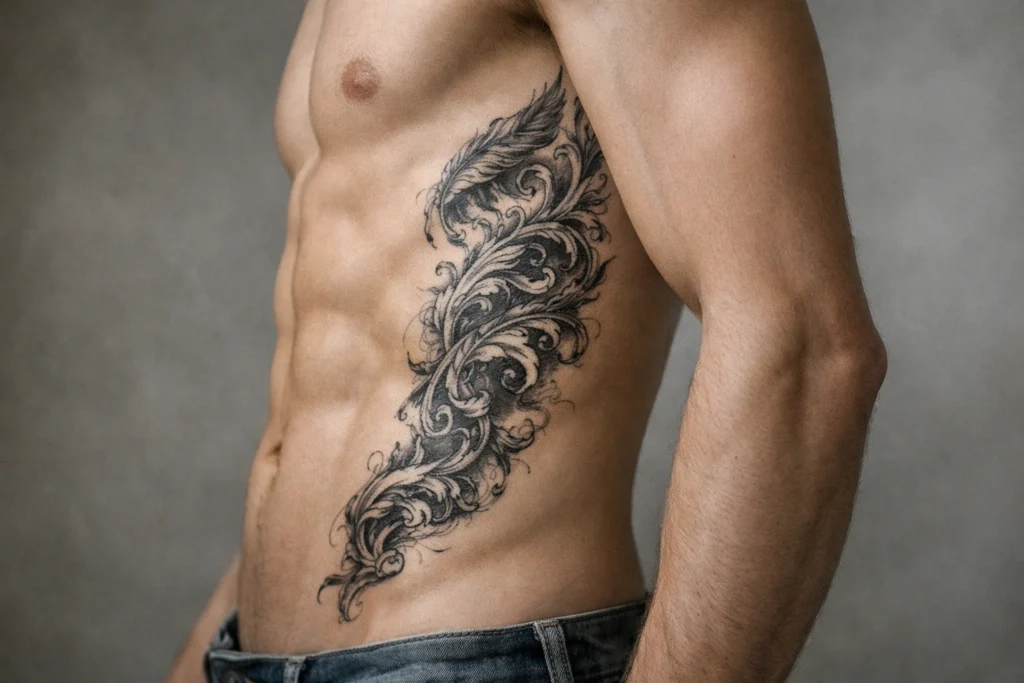
Rib tattoos occupy a unique space in the world of men’s tattooing. They are intimate, largely hidden, and capable of accommodating long horizontal or vertical designs that follow the natural lines of the body. Quote tattoos, script in elegant fonts, and illustrative designs that wrap around the side of the torso are all popular choices for this placement.
The honest caveat here is pain. The ribs are widely regarded as one of the more challenging areas to get tattooed due to the proximity of the needle to the bone and the thin skin covering the area. For men with a specific vision and the pain tolerance to see it through, the rib placement produces tattoos that feel especially personal and significant precisely because of what it took to get them.
The Neck
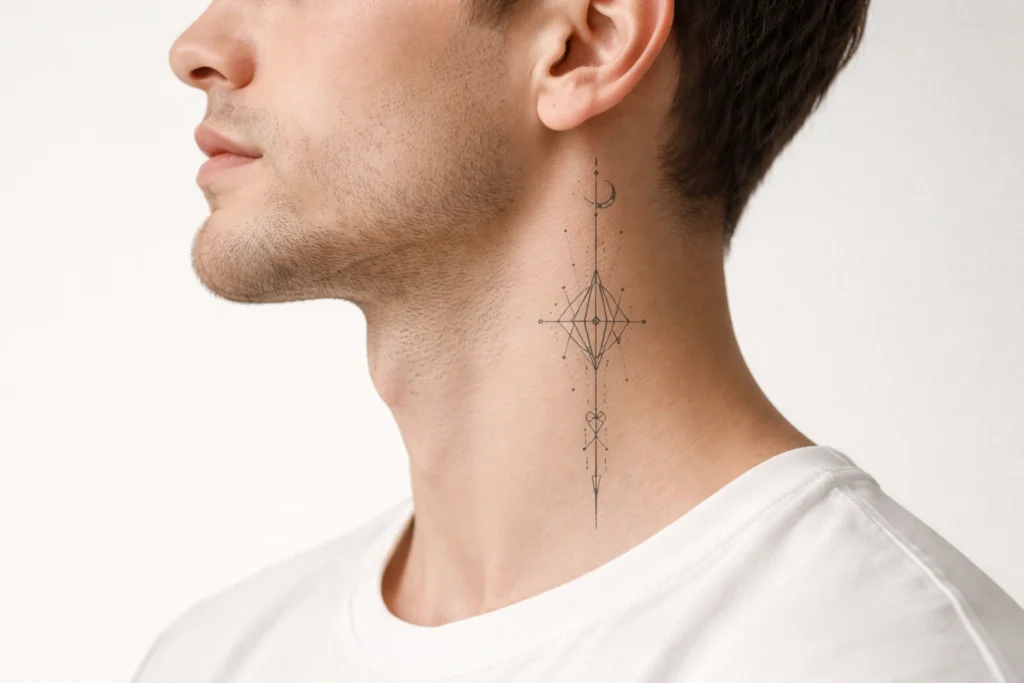
Neck tattoos were once considered the most extreme placement choice, historically associated with heavily tattooed subcultures. That perception has shifted considerably in recent years, and neck tattoos are now a legitimate and increasingly popular choice for men who want visible, bold artwork that makes an unmistakable statement.
The side of the neck and the back of the neck are the most common positions. Calligraphy, lettering, geometric shapes, and fine-line botanical work are all designs that translate well to this area. Pain levels are notable given the thin skin and sensitive nerve endings, and the visibility of the placement means it requires confident ownership. Anyone considering a neck tattoo should be clear-eyed about the professional and social contexts in which they operate.
The Hand
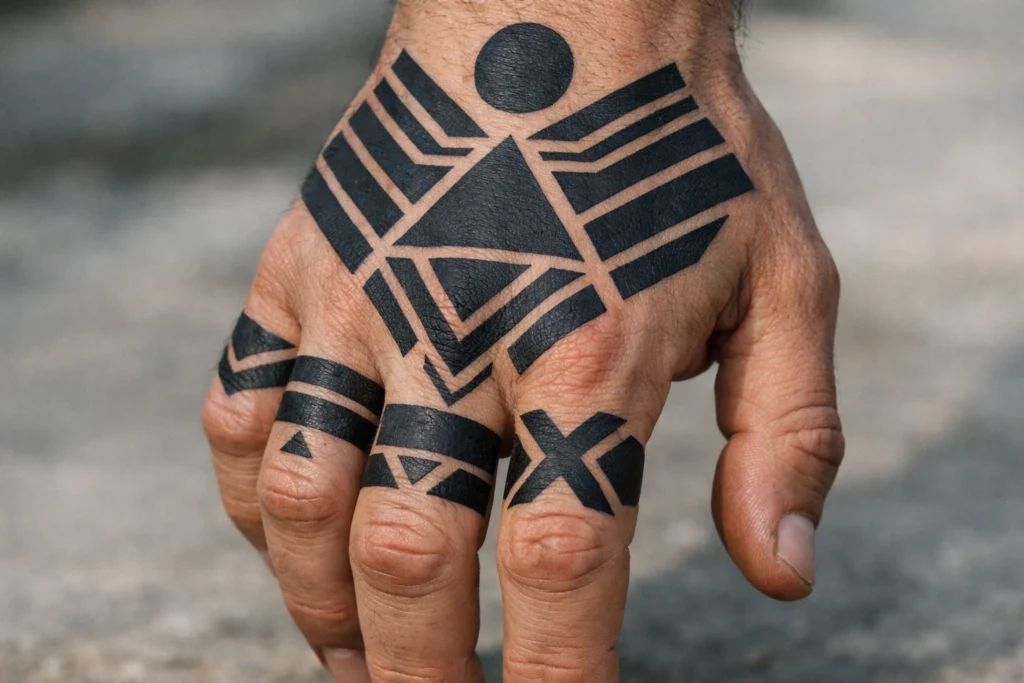
Hand tattoos have grown considerably in mainstream popularity, though they remain one of the more demanding placements in terms of aftercare and longevity. Because the hands are in near-constant use and regularly exposed to sunlight, tattoos in this area fade faster than almost any other placement on the body. Touch-ups may be required more frequently.
That said, for the right man with the right design, hand tattoos are undeniably striking. Geometric designs, bold blackwork, and simple symbols work best here since the relatively small and contoured surface does not lend itself to highly detailed imagery. The back of the hand, the fingers, and the space between thumb and forefinger are the most common specific locations.
The Wrist
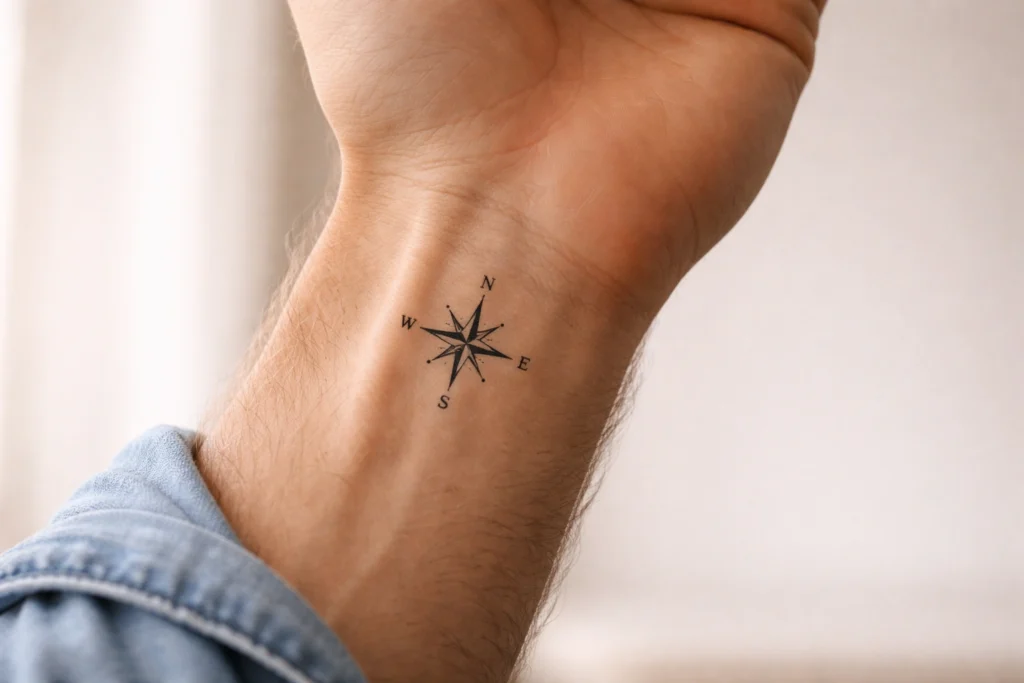
The wrist is one of the most versatile small tattoo placements for men. It sits in a location that is visible to the wearer throughout the day, making it a natural choice for tattoos that carry personal reminders, mantras, or meaningful symbols. Anchor tattoos, compass roses, minimalist geometric shapes, and short phrases all work particularly well here.
The inner wrist is slightly more sensitive than the outer due to the network of veins and nerves that pass through, though overall the wrist is considered a manageable placement in terms of pain. One practical consideration is that wrist tattoos can be covered with a watch or cuff bracelet, giving the wearer some control over when they are on display.
The Thigh
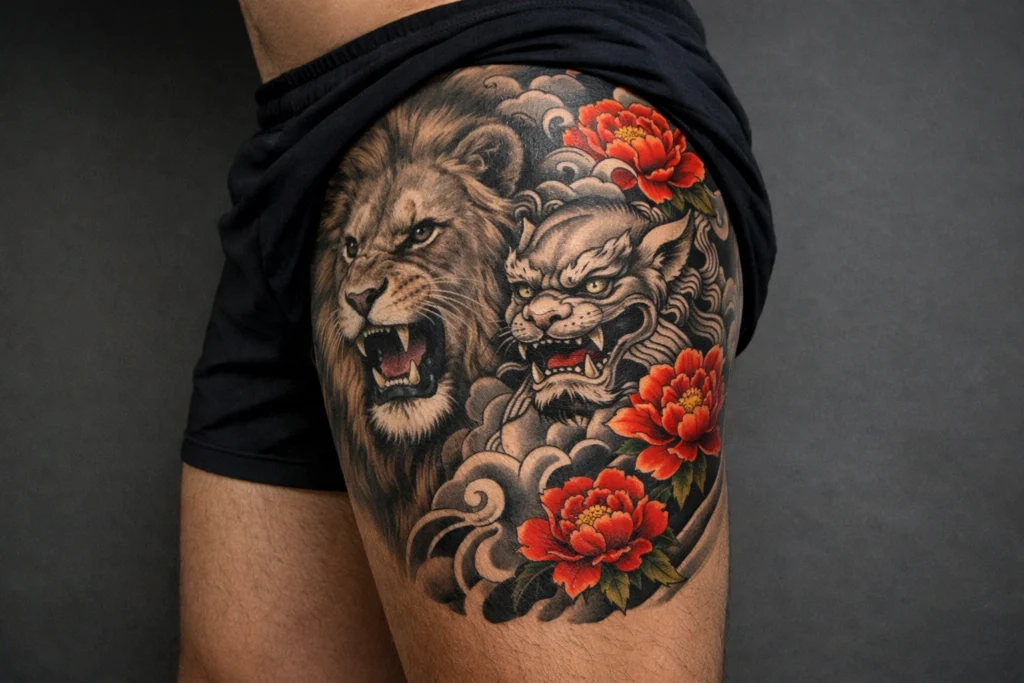
The thigh is one of the most underrated placements in men’s tattooing. It offers one of the largest available canvases on the body, comparable in scale to the back, yet it remains private unless the wearer specifically chooses to reveal it. For men who want large-scale, detailed artwork but need the option to keep it completely hidden in professional settings, the thigh is an outstanding choice.
Outer thigh tattoos are among the least painful available, making the placement accessible even for men with lower pain tolerance who want an ambitious design. Styles that work well on the thigh include large illustrative pieces, Japanese-style imagery, geometric patterns, and realistic portraits.
The Calf
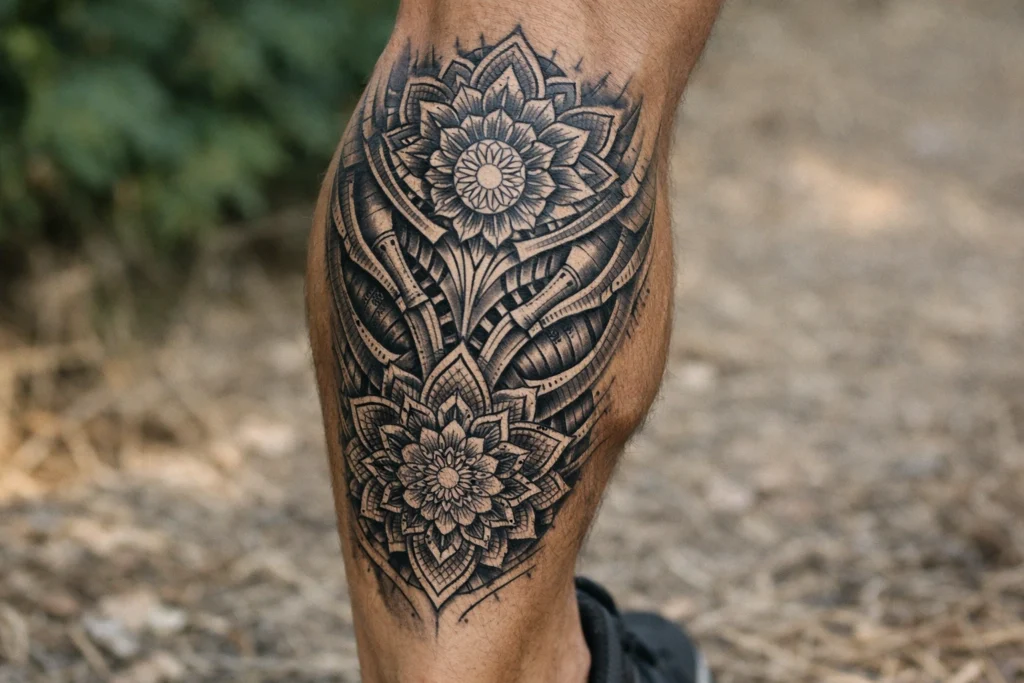
Calf tattoos are growing in popularity among men, and it is easy to understand why. The calf provides a naturally shaped canvas that works especially well for designs that benefit from a vertical orientation or wrapping movement. Animal motifs, biomechanical designs, mandalas, and compass-based travel imagery all translate beautifully here.
The calf is moderately visible, appearing whenever shorts or swimwear are worn, and the pain level is generally manageable for most people. One important consideration for men with significant leg hair is that shaving will be required before the tattoo session, though the hair grows back normally and does not affect the long-term appearance of the artwork.
The Ankle
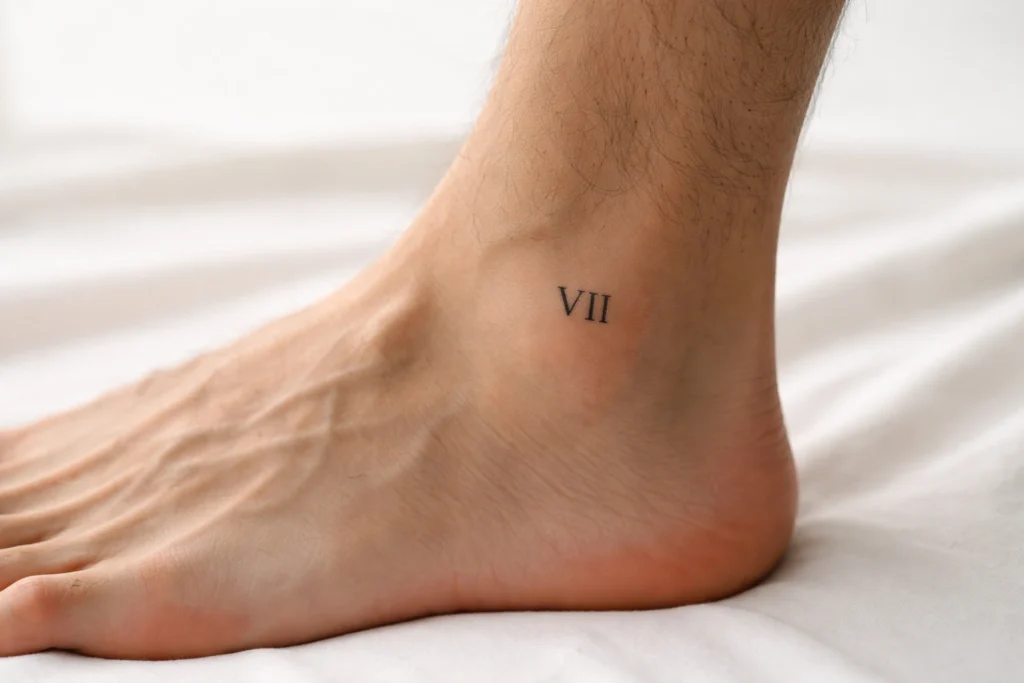
Ankle tattoos occupy the smaller end of the placement spectrum for men, making them ideal for minimalist designs, simple symbols, and text-based work. A small compass, a meaningful date rendered in Roman numerals, or a clean geometric shape can sit elegantly just above the ankle bone without demanding a large commitment of skin.
This placement is on the more painful end of the spectrum due to the thin skin and proximity to the ankle bone. It is also worth noting that because feet and ankles receive considerable friction from footwear and are frequently exposed to the elements, ankle tattoos may require more maintenance over time to keep them looking sharp.
Behind the Ear
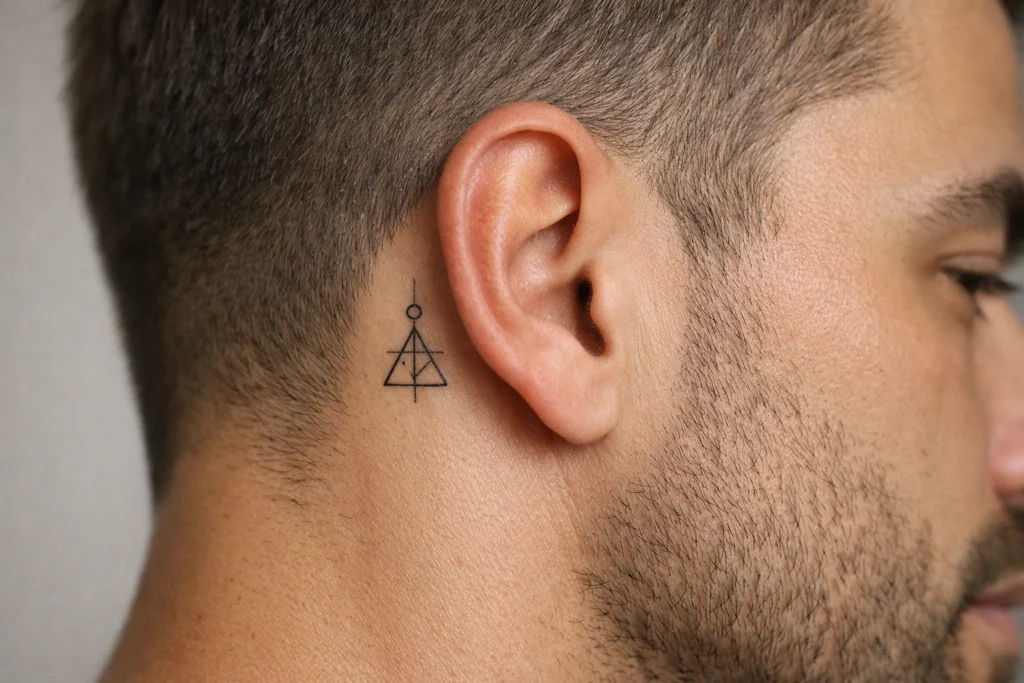
The area behind the ear represents one of the most discreet placement options available to men. Small tattoos in this location have a cool, understated quality that appeals to men who want something personal and low-profile rather than a bold statement piece. Simple line work, small geometric shapes, tiny symbols, and minimal text all work well in this space.
Pain in the behind-the-ear area is notable because the skin is thin and sits close to cartilage, but the small scale of tattoos typical for this placement means the session is short. For men in professional environments who want the ability to keep their tattoo entirely invisible with a standard haircut, this placement is worth considering.
The Hip
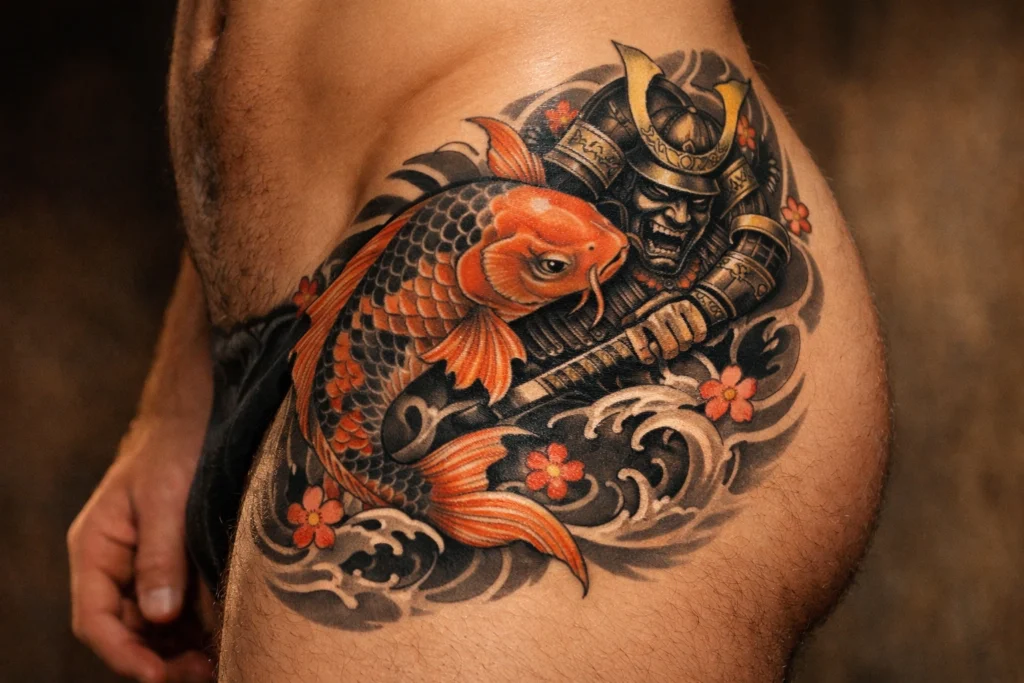
Hip tattoos for men are less commonly discussed than other placements, but they occupy an interesting position as a deeply personal and somewhat intimate choice. The hip area allows for larger designs than more hidden placements like the wrist or behind the ear, while still remaining almost completely private in everyday professional contexts.
Japanese-themed imagery, particularly designs featuring samurai swords, koi fish, or samurai figures, has become a popular choice for the hip among men in recent years. The natural contours of the hip can also accommodate flowing, organic designs that work with rather than against the body’s shape. Pain levels in this area vary from moderate to notable depending on proximity to the hip bone.
The Finger
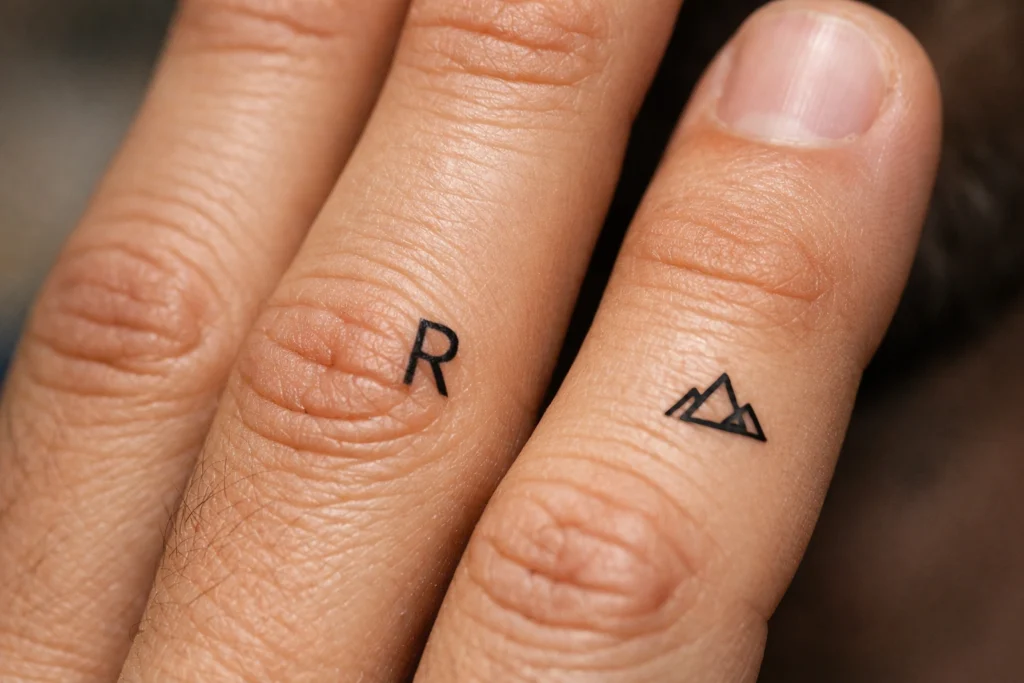
Finger tattoos are a bold and distinctive choice that sits at the very visible end of the spectrum. They are primarily suited to small, simple designs: initials, minimalist icons, short words, numbers, or basic geometric shapes. The limited surface area and constant movement of the fingers make detailed or complex designs impractical in this location.
Longevity is the most significant challenge with finger tattoos. Constant exposure to friction, water, and sunlight causes them to fade more quickly than tattoos in almost any other location. Men who choose finger tattoos should understand going in that touch-ups will almost certainly be part of the ongoing maintenance. That said, for a man with a specific vision for this placement, the result can be genuinely striking and deeply personal.
Choosing the Right Placement for Your Lifestyle
With 16 options laid out, the question becomes how to actually decide. The answer depends on a combination of factors unique to each individual. Your professional environment matters enormously. A man who regularly wears a suit to work has different requirements than someone in a creative field where visible tattoos are accepted or even celebrated.
Your pain tolerance shapes the conversation around placements like the ribs, spine, and neck, which demand considerably more from the person in the chair than the outer arm or thigh. Your long-term vision for your body art matters too. If you want a full sleeve someday, the placement of your first tattoo should account for how it will eventually connect to or integrate with future work. And the scale of your design must match the scale of the placement. A large, detailed piece needs space. A small, meaningful symbol needs a placement where its simplicity reads as deliberate rather than lost.
Conclusion
The decision about where to place a tattoo deserves the same careful consideration as the decision about what image to put there. Tattoo placement for men is not simply a logistical afterthought but a fundamental part of what makes a piece of body art successful over the long term.
Each of the 16 placements covered in this guide has its own distinct character, its own set of practical considerations, and its own visual language. The forearm declares confidence. The chest speaks to personal meaning. The back invites ambition. The ribs reward patience and pain tolerance. The wrist offers daily connection. The thigh offers freedom alongside privacy.
Take the time to understand your own priorities before you sit in the chair. Consult with an experienced tattoo artist who can advise on how a specific design will work within a specific placement. And remember that the right tattoo, placed in the right location, is not just something that looks good. It is something that feels like exactly where it was always meant to be.
You may also like this post: 16 Tattoo With Deep Meaning Ideas to Reflect Your Journey
Frequently Asked Questions
What is the least painful tattoo placement for men?
The outer forearm, outer bicep, and outer thigh are widely regarded as the least painful tattoo placements for men. These areas have more muscle and fat cushioning the skin away from bone, which significantly reduces discomfort during the tattooing process.
What tattoo placement is easiest to hide at work?
The thigh, ribs, upper back, and chest are among the easiest placements to conceal under standard professional clothing. The upper back and chest are hidden by virtually any shirt, while the thigh is completely covered by trousers or shorts longer than mid-thigh.
Which tattoo placements fade the fastest?
Hands, fingers, feet, and wrists tend to fade faster than other placements because they experience the most friction from daily activity, frequent washing, and sun exposure. Tattoos in these areas typically require touch-ups more regularly to maintain their appearance.
What is the best tattoo placement for a first tattoo?
For most men getting their first tattoo, the outer forearm, outer bicep, or outer thigh are the most recommended starting points. They combine manageable pain levels with ample space for a meaningful design, and they give the person a realistic sense of what the tattooing experience feels like before committing to more challenging placements.
Does tattoo placement affect how long the tattoo lasts?
Yes, placement has a direct impact on longevity. Tattoos on stable areas of the body with thicker skin, such as the upper arm, back, and thigh, tend to hold their detail and color longer than tattoos on high-movement areas like the hands, fingers, knees, and elbows, where constant skin flexing accelerates the breakdown of ink over time.