
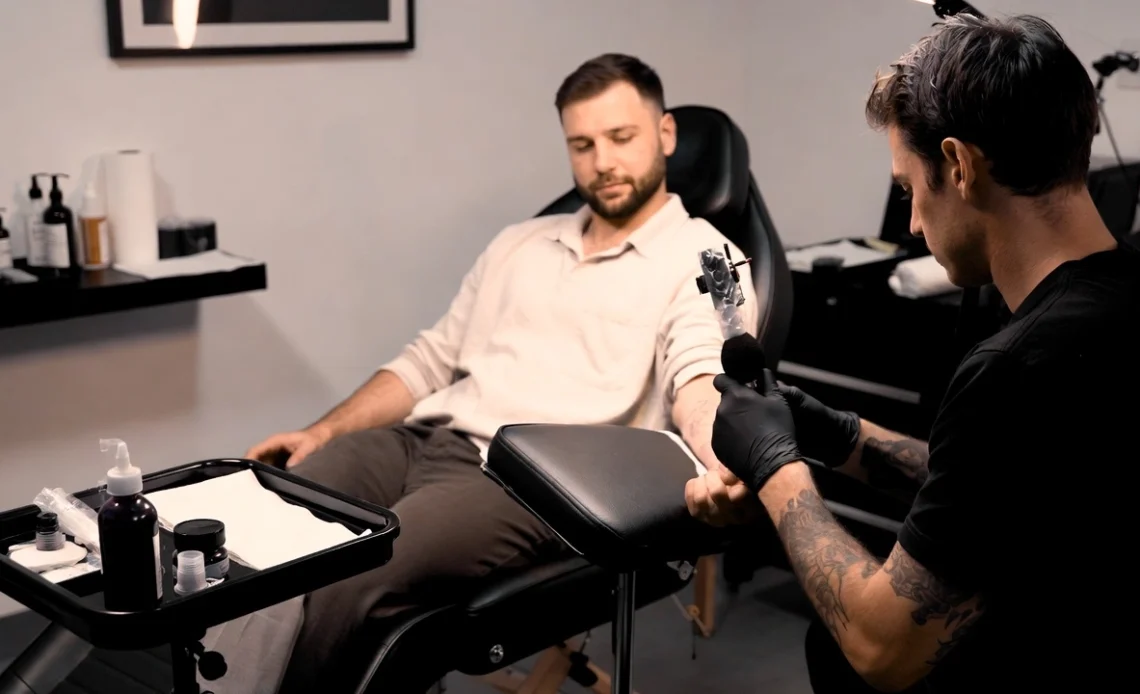
Getting a tattoo is one of the most personal decisions you can make. It is a permanent commitment, a piece of art that lives on your skin for the rest of your life. For first-timers especially, the experience can feel equal parts exciting and nerve-wracking. What most people do not realize is that the quality of your tattoo, your comfort during the session, and the speed of your recovery all depend heavily on what you do before you ever sit down in the artist’s chair.
Tattoo preparation is not complicated, but it does require intention. Walking into your appointment well-rested, well-fed, properly hydrated, and mentally ready makes a remarkable difference. It affects how the needle moves through your skin, how the ink settles, how your body responds to the process, and ultimately how the finished piece looks and heals. This guide covers 18 essential tattoo preparation tips that every first-timer should know before their appointment day arrives.
1. Research Your Design Thoroughly Before Committing

The most important step in the entire tattoo journey happens long before you book an appointment. Take time to research designs that genuinely resonate with you. Spend weeks, or even months, sitting with your ideas before committing to anything permanent.
Look at different artistic styles such as fine line, traditional, neo-traditional, realism, watercolor, and blackwork. Understanding how each style translates to skin and ages over time helps you make a more informed choice. Save references, create a mood board, and think carefully about the meaning, if any, you want the design to carry. A tattoo you choose in a hurry is far more likely to become one you regret.
2. Choose a Reputable Tattoo Artist
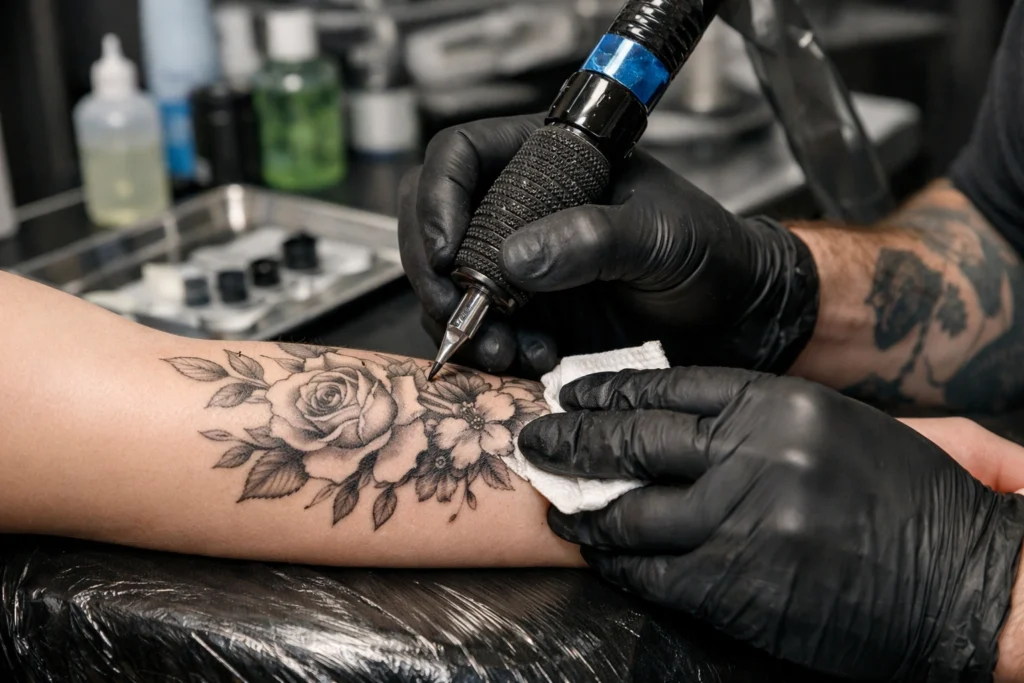
Not all tattoo artists work in the same style or with the same level of skill. Finding an artist whose portfolio aligns with the design you want is essential. Browse their social media pages and look specifically at healed results, not just fresh work, because fresh tattoos always look sharper than they settle into over time.
Read reviews, ask questions, and do not let price be your primary deciding factor. A highly skilled artist may cost more per hour, but the result is a piece that looks exceptional for decades. An experienced artist also knows how to adjust line weight and shading to ensure the design ages gracefully on your specific skin type and placement area.
3. Book a Consultation Before Your Session
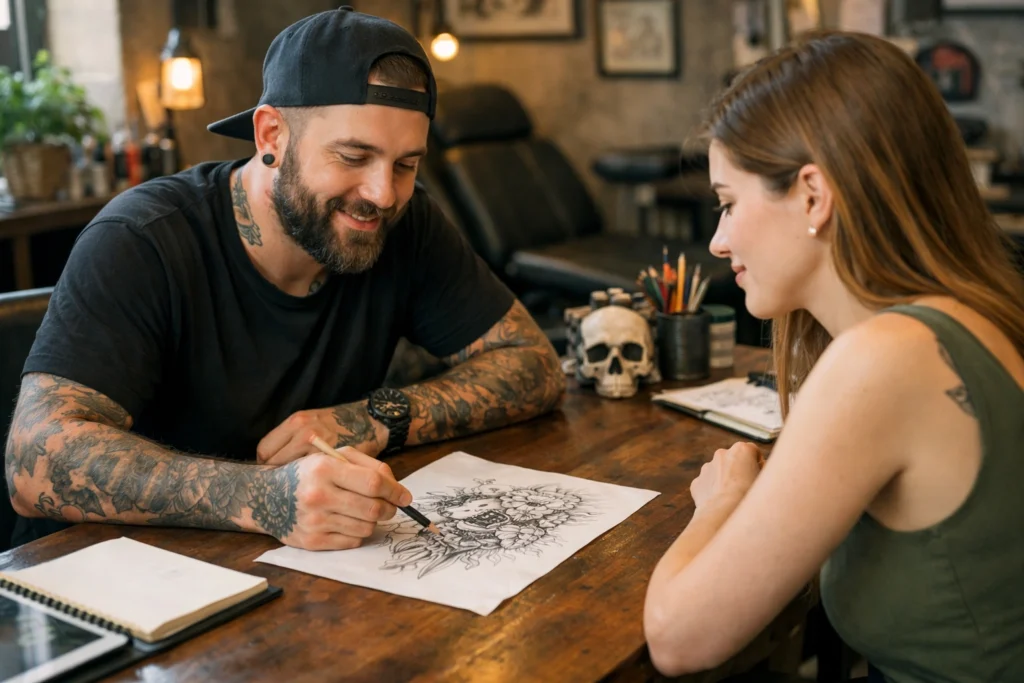
A consultation with your chosen artist before the tattooing session is one of the most valuable steps you can take. It gives you the opportunity to discuss your design, ask questions about the process, share any relevant health information, and confirm that you and the artist share the same vision for the final piece.
During a consultation, a good artist will advise you on sizing, placement adjustments, color versus black and grey, and how certain elements of your design will work on the body part you have chosen. They may suggest modifications that will improve the longevity and clarity of the tattoo. Taking their professional guidance seriously can make the difference between a good tattoo and a great one.
4. Understand the Pain Level for Your Chosen Placement
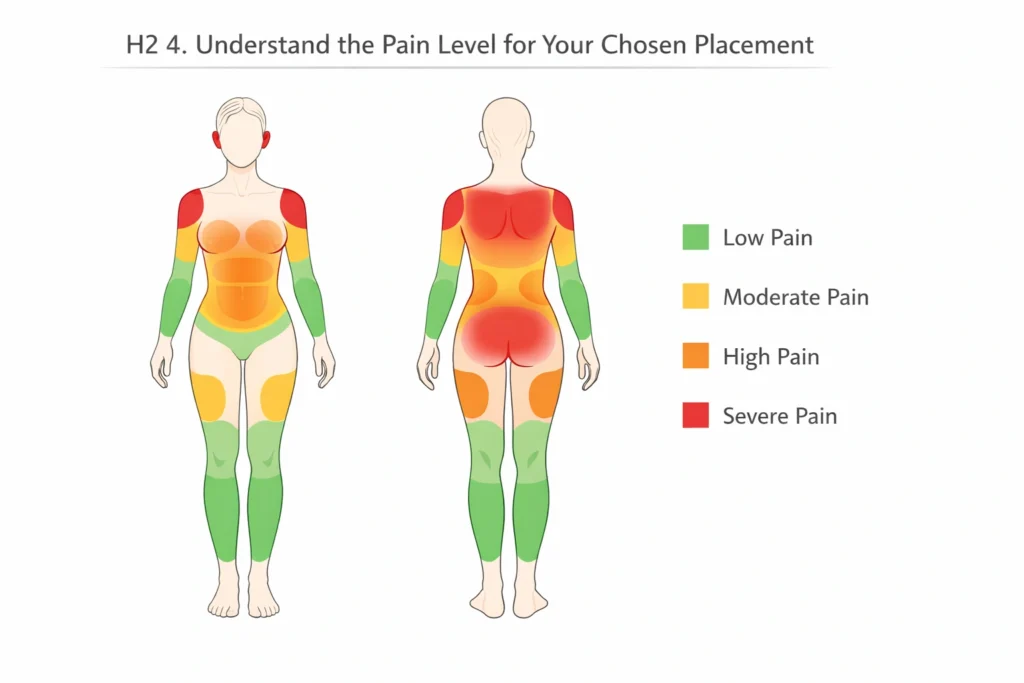
Pain is a natural part of getting a tattoo, and its intensity varies significantly depending on where on the body you are being tattooed. Bony areas such as the ribs, spine, sternum, inner elbow, and ankle tend to be considerably more painful than fleshier areas like the outer thigh, upper arm, and calf.
As a first-timer, it is worth factoring pain tolerance into your placement decision. Starting with a more comfortable area allows you to understand how your body responds to the tattooing process before committing to a more sensitive location. Knowing what to expect before you arrive also helps you prepare mentally, which significantly affects how you experience discomfort during the session.
5. Stay Well Hydrated in the Days Leading Up to Your Appointment

Hydration is one of the most critical and most frequently overlooked aspects of tattoo preparation. Well-hydrated skin is more supple, more elastic, and more receptive to ink. It allows the needle to move through the skin more smoothly, results in cleaner linework, and supports faster healing in the days following the session.
Begin increasing your water intake at least one week before your appointment. Aim for a minimum of eight glasses of water per day. On the day of your session, continue drinking water consistently right up until you arrive at the studio. Avoid heavily caffeinated beverages in the hours before your appointment, as caffeine contributes to dehydration and can also heighten sensitivity to pain.
6. Moisturize Your Skin Consistently in the Week Before
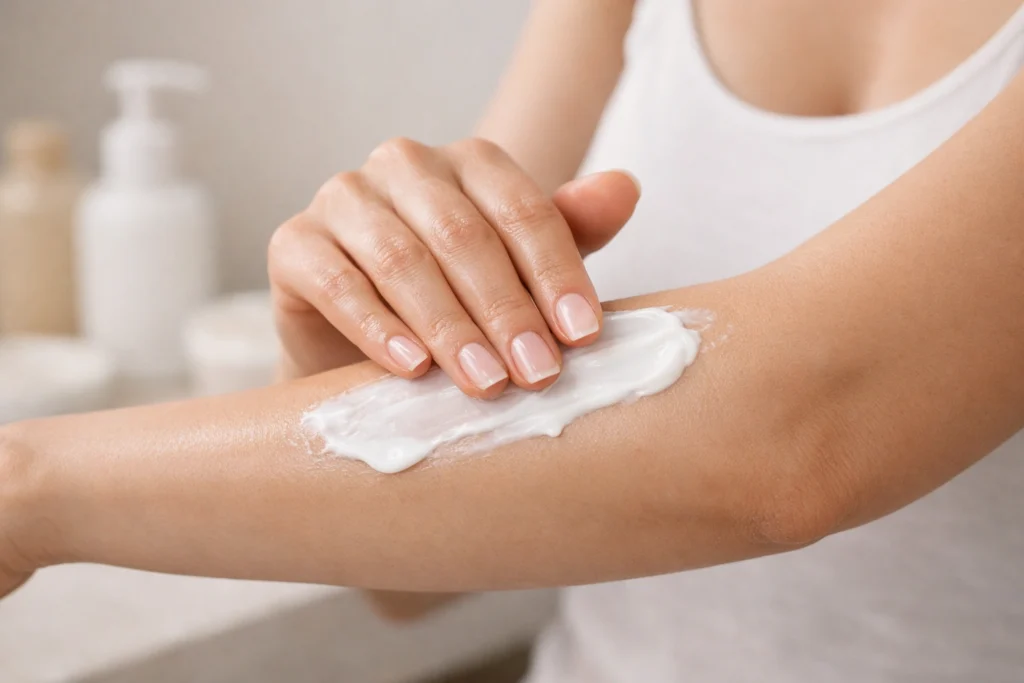
Alongside hydration from within, your skin needs moisture from the outside as well. Begin applying a gentle, fragrance-free, alcohol-free moisturizer to the area being tattooed once or twice daily for at least a week before your appointment. Soft, well-conditioned skin provides a better canvas for the artist to work on and promotes more even ink absorption.
Avoid applying moisturizer on the actual day of your appointment, as a residue left on the skin can interfere with the stencil transfer and the tattooing process itself. The preparation you do in the days leading up to the session is what matters most in terms of skin condition.
7. Exfoliate Gently Two to Three Days Before
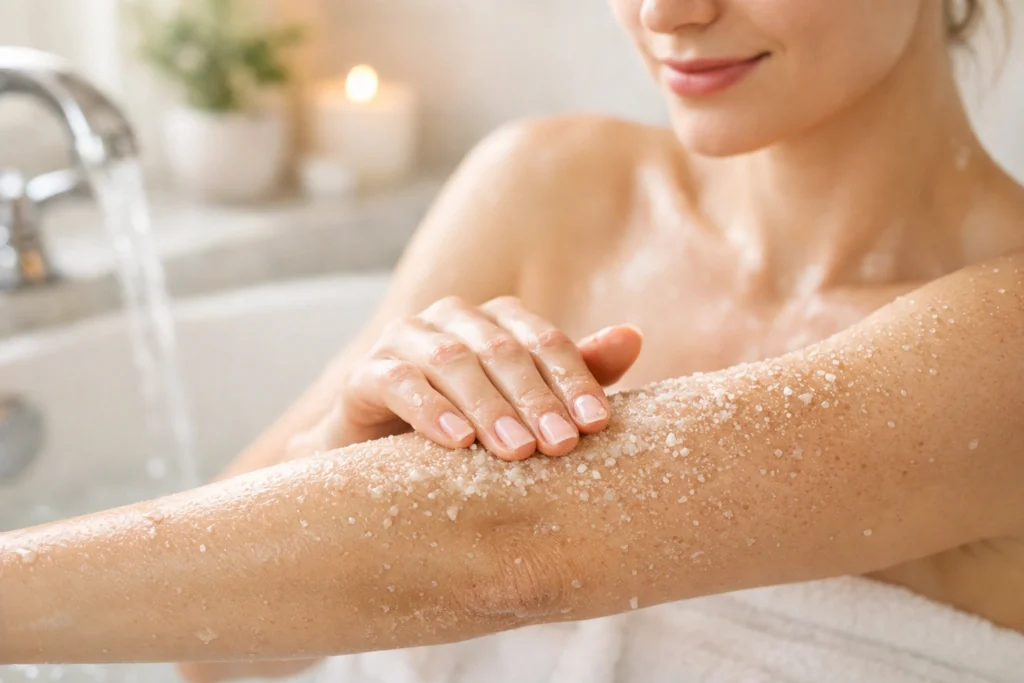
Gentle exfoliation in the days before your appointment removes dead skin cells and creates a fresher, smoother surface for your artist to work on. A cleaner skin surface can result in more precise linework and more even ink settling, particularly for fine-line and detailed designs.
Use a mild sugar scrub or a soft exfoliating cloth to gently work over the area two to three days before your session. Avoid exfoliating closer to the appointment day, as over-exfoliated skin can become sensitive and more prone to irritation during the tattooing process. Do not use harsh chemical exfoliants or products containing acids and retinoids in the weeks leading up to your appointment.
8. Avoid Sun Exposure and Tanning on the Tattoo Area
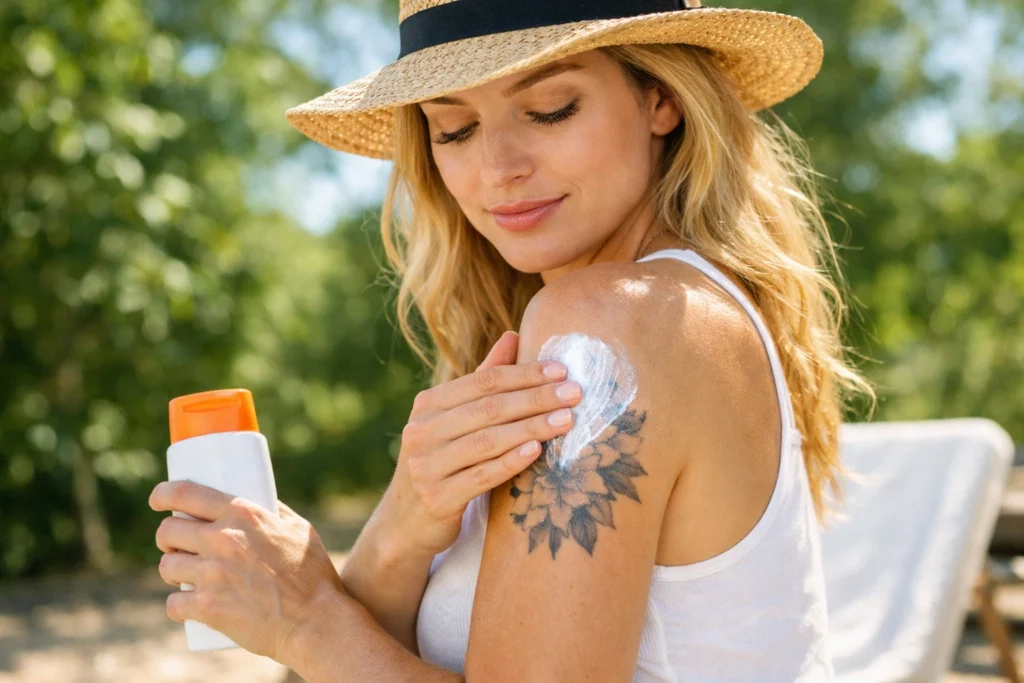
Sunburned or heavily tanned skin is not suitable for tattooing. Sun-damaged skin is more sensitive, more prone to irritation, and does not hold ink as evenly as healthy, undamaged skin. It can also significantly complicate the healing process and result in patchy or uneven ink retention.
In the weeks leading up to your appointment, avoid direct sun exposure on the area being tattooed. If you spend time outdoors, cover the area with protective clothing or apply a broad-spectrum sunscreen with at least SPF 30. If you arrive at your appointment with a fresh sunburn or a visible tan on the area, your artist may advise rescheduling to allow the skin to recover fully.
9. Avoid Alcohol for at Least 24 Hours Before Your Session

Alcohol is a blood thinner. Consuming it before a tattoo session increases bleeding during the process, which can interfere significantly with the artist’s ability to work cleanly. Excess bleeding pushes ink out of the skin as it is being applied, resulting in less saturated, less precise linework and shading.
Beyond affecting the quality of the tattoo itself, alcohol-thinned blood prolongs healing time and increases the risk of bruising and swelling at the tattoo site. Avoid alcohol for a minimum of 24 hours before your appointment, and ideally for 48 hours if your session is a long one. Arriving at your appointment clear-headed and sober also helps you make better decisions and communicate more effectively with your artist.
10. Avoid Blood-Thinning Medications Where Possible
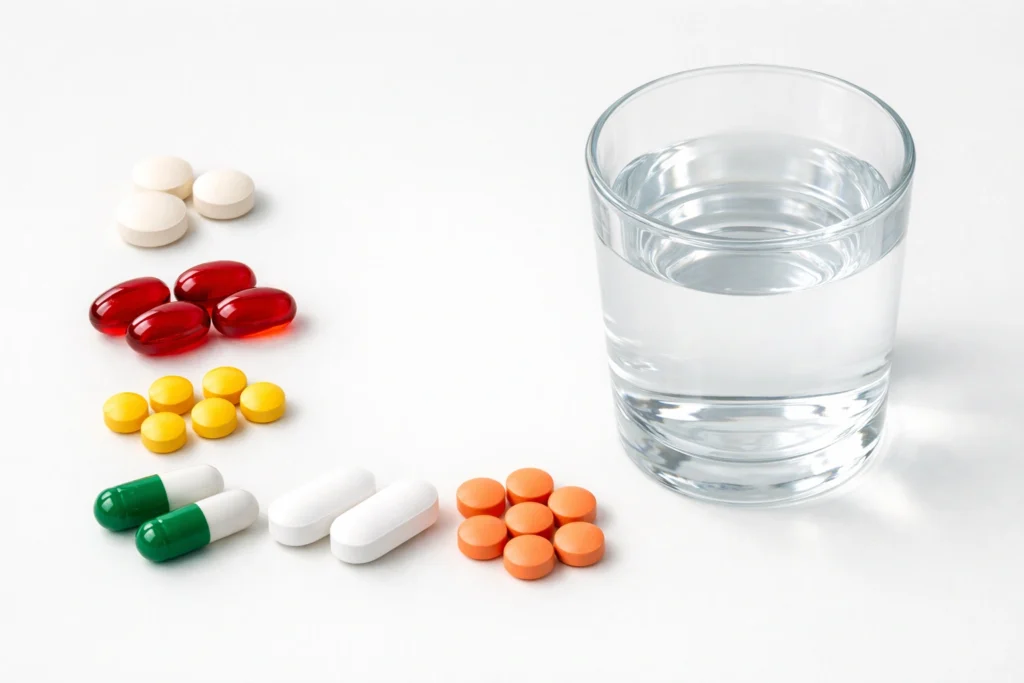
Certain over-the-counter medications, particularly aspirin and ibuprofen, have blood-thinning properties that can cause similar issues to alcohol during a tattoo session. If you take prescription blood-thinning medications for a medical condition, inform your tattoo artist at the time of booking and consult your doctor before your appointment.
Where possible and medically appropriate, avoid taking non-prescription blood thinners in the 24 hours before your session. If pain relief is needed before the appointment, choose acetaminophen instead, as it does not have the same blood-thinning effect. Always prioritize your medical needs first and discuss any concerns with both your healthcare provider and your tattoo artist.
11. Eat a Substantial Meal Before Your Appointment

Eating a good, nutritious meal before your tattoo session is essential. Getting a tattoo places physical stress on the body, and maintaining stable blood sugar throughout the process helps you stay comfortable, focused, and steady. Low blood sugar during a tattoo session can cause dizziness, lightheadedness, nausea, and in some cases fainting, particularly during longer sessions.
Eat a balanced meal containing protein and complex carbohydrates in the two to three hours before your appointment. Foods like eggs, whole grain toast, lean meat, vegetables, and legumes provide sustained energy that does not spike and crash. Avoid heavy sugar-loaded foods that cause rapid energy fluctuations. If your session is expected to run for several hours, pack healthy snacks such as nuts, protein bars, or fruit to eat during breaks.
12. Get a Full Night of Sleep Before Your Session

Being well-rested before your tattoo appointment affects both your pain tolerance and your overall experience during the session. Studies and anecdotal evidence from experienced tattoo recipients consistently suggest that fatigue increases sensitivity to pain. Going into your session tired and irritable makes the process feel harder than it needs to be.
Aim for a full seven to nine hours of sleep the night before your appointment. Avoid staying out late, drinking, or doing anything that significantly disrupts your sleep pattern in the 24 to 48 hours prior. Your body is about to undergo a controlled form of physical stress, and approaching that process from a rested, recovered state gives you the best possible foundation.
13. Shave the Area Beforehand If Necessary
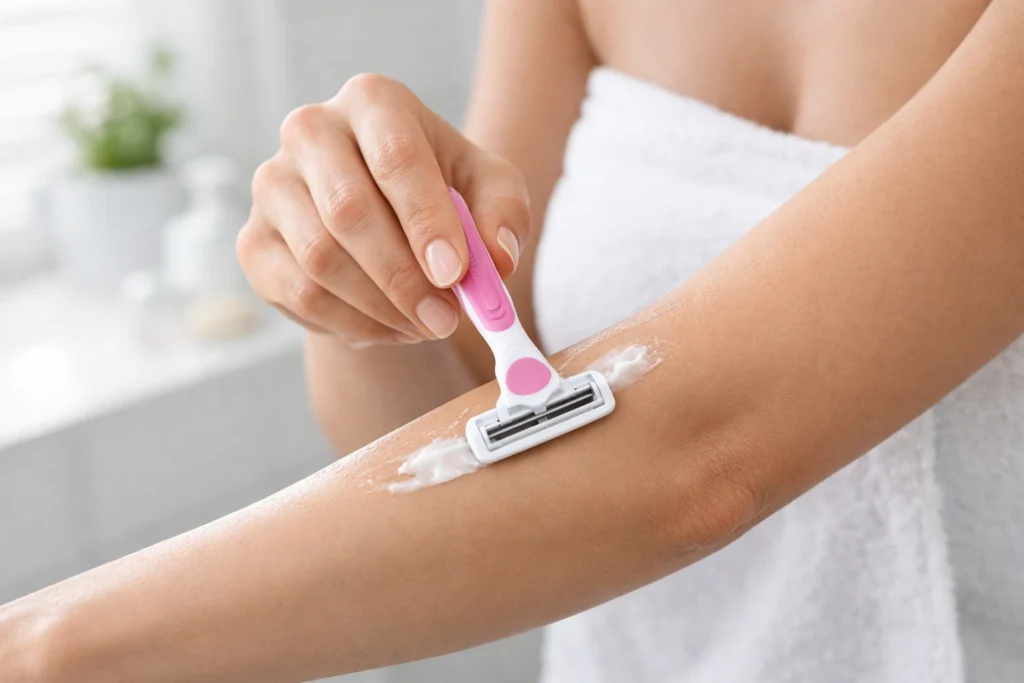
If the area being tattooed has noticeable hair growth, shaving it before your appointment saves your artist time and makes the stencil transfer process cleaner. Tattooing over hair can interfere with the precision of linework and may affect how the stencil adheres to the skin.
Shave the area one to two days before your appointment rather than on the morning of the session. Shaving immediately before tattooing can cause minor skin irritation and small nicks that your artist will need to work around. If you are unsure whether shaving is necessary for your chosen placement, check with your artist in advance. Many studios handle shaving as part of their preparation process, so it is always worth asking.
14. Wear Appropriate Clothing to Your Appointment

Thinking about what to wear on the day of your appointment is a small but genuinely important detail. Choose clothing that allows your artist easy, unobstructed access to the area being tattooed without requiring you to be unnecessarily undressed or uncomfortable throughout the session.
For arm tattoos, wear a sleeveless top or a loose short-sleeved shirt. For leg tattoos, wear loose shorts or wide-leg trousers that can be rolled up easily. For back, shoulder, or chest pieces, wear something you can remove partially or that opens easily. Also choose clothing you would not mind getting a small amount of ink or stencil transfer on. Tight, restrictive clothing worn directly over a fresh tattoo after the session can cause irritation and disrupt early healing.
15. Shower and Clean the Area on the Day of Your Appointment

Arriving at your appointment with clean skin is basic courtesy to your artist and an important health consideration. Dead skin cells, sweat, dirt, and skincare product residue all accumulate on the skin throughout the day. Starting the tattooing process on unclean skin can increase the risk of infection and makes the artist’s preparation work more involved.
Shower on the morning of your appointment and wash the area being tattooed with a mild, fragrance-free soap. Do not apply heavy body lotions, perfumes, or skincare products to the area after showering. Arrive at the studio with clean, product-free skin so that your artist can apply the stencil and begin work without needing to perform extensive preparation.
16. Prepare Yourself Mentally for the Experience

Mental preparation is just as important as physical preparation when it comes to getting a tattoo, particularly for first-timers. Anxiety about the process can heighten your perception of pain and make the session feel more intense than it needs to be. Taking deliberate steps to calm your mind before and during your appointment makes a real difference.
In the days before your session, practice slow, intentional breathing. On the day of the appointment, bring music, a podcast, or an audiobook to listen to during the session. Many people find that having something engaging to focus on significantly reduces their awareness of discomfort. Trust your artist, communicate openly if you need a short break, and remind yourself that the sensation, while unusual, is temporary.
17. Avoid Applying Numbing Cream Without Consulting Your Artist First
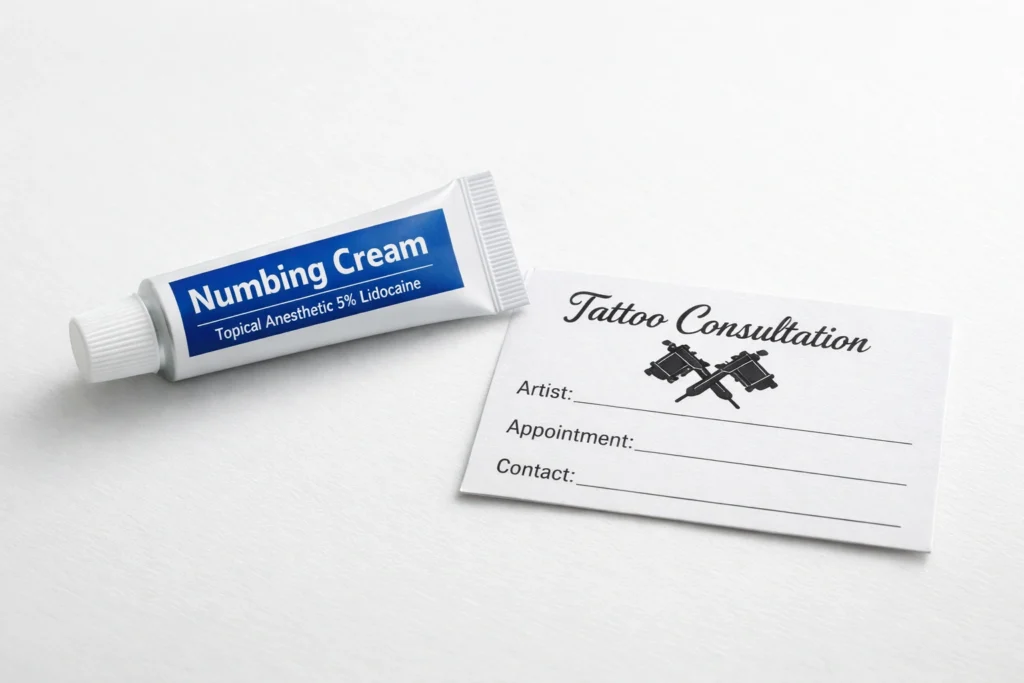
Topical numbing creams are available and are used by many people to reduce discomfort during tattooing. However, using them without consulting your artist first is not recommended. Some numbing products affect skin texture in ways that make tattooing more difficult. They can cause the skin to become slightly swollen or change in consistency, which may affect how ink settles and how cleanly lines are applied.
If reducing pain is a priority for you, discuss it with your artist before your appointment. They can recommend products they have worked with before and advise you on how and when to apply them for the best results. Never apply any topical product to the tattoo area without your artist’s knowledge and approval.
18. Know What to Bring to Your Appointment

Being well-prepared on the day of your session extends to what you bring with you. For shorter sessions, having water and a light snack on hand is a good idea. For longer sessions lasting several hours, bring multiple snacks, a full water bottle, and something to keep you entertained during the quieter moments.
Bring a valid form of identification if it is your first visit to a particular studio, as most require it for their records. Bring any deposit or payment information your studio requires. If you have reference images for your design, have them saved and easily accessible on your phone. Arriving organized and prepared allows the session to begin smoothly and without unnecessary delays, putting both you and your artist in the best possible mindset for a great result.
Conclusion
Tattoo preparation is not a checklist you rush through the morning of your appointment. It is a process that begins days or even weeks in advance, covering everything from the condition of your skin to the clarity of your mind. The 18 tips in this guide represent the full picture of what it takes to walk into a tattoo studio truly ready for the experience ahead.
When you prepare properly, you give your artist the best possible canvas to work on, you give your body the resources it needs to handle and recover from the process, and you give yourself the confidence to sit through the session with calm and focus. A tattoo done under the right conditions, on well-prepared skin, by a skilled and trusted artist, is an experience worth every bit of effort that preceded it.
Take your time, take care of yourself, and trust the process. Your ink will reflect the preparation you put in.
You may also like this post: Beautiful 15 Tattoo Placement Ideas for Women That Feel Just Right
FAQs
How far in advance should I start preparing for a tattoo?
Ideally, begin your preparation at least one week before your appointment. This gives you enough time to build up skin hydration, establish a moisturizing routine, avoid sun exposure, and adjust your sleep and eating habits before your session day arrives.
Can I drink coffee on the day of my tattoo appointment?
It is best to limit or avoid caffeine on the day of your appointment. Caffeine is a mild stimulant that can increase anxiety and elevate pain sensitivity. It also contributes to dehydration, which negatively affects skin condition during tattooing.
What should I do if I feel faint or unwell during my tattoo session?
Tell your artist immediately. A good tattoo artist will stop the session, help you sit or lie down safely, and give you time to recover. Eating a snack and drinking water usually helps stabilize blood sugar and ease the feeling. There is no shame in needing a break.
Is it normal for skin to be red and swollen after a tattoo session?
Yes, mild redness, swelling, and tenderness in the hours immediately following a tattoo session are completely normal. These are signs of the skin’s natural healing response. They typically subside within 24 to 48 hours. If redness or swelling intensifies after the first two days, consult a healthcare professional.
Can I exercise before my tattoo appointment?
It is best to avoid intense exercise on the day of your appointment. Heavy exercise causes sweating, elevates your heart rate, and can affect blood flow in ways that are not ideal for the tattooing process. Light activity is fine, but arrive at your session calm, clean, and physically settled.