
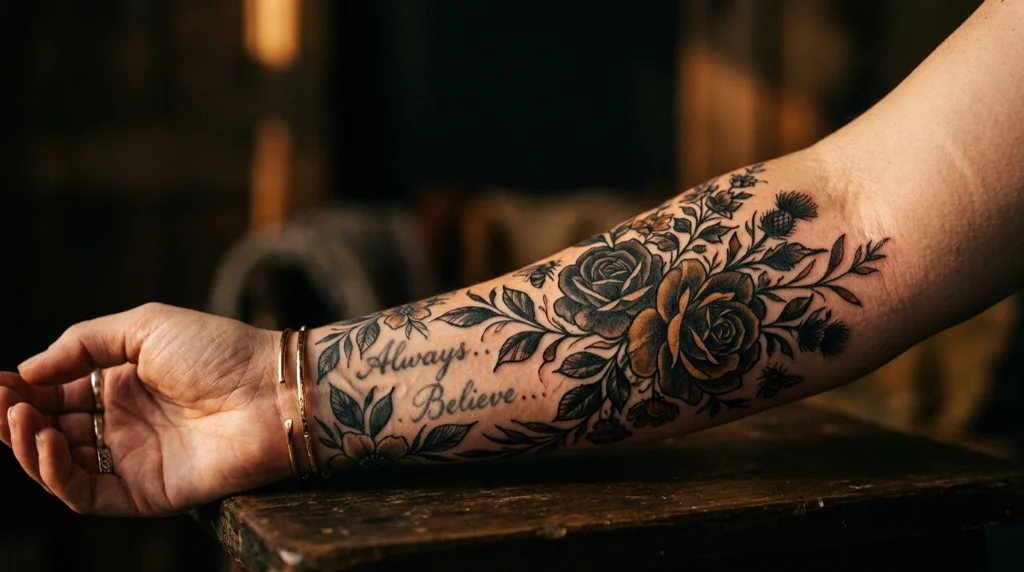
Ink doesn’t have to be permanent proof of a decision you’ve outgrown. Name cover up tattoos exist for exactly this reason, offering a way to transform old regret into something you’re genuinely proud to wear.
This guide walks through tattoo cover up ideas built on real technique, covering blackout work, florals, mandalas, and everything in between. You’ll find best name cover up tattoo ideas for men and women alike, along with cost, pain, and healing details that matter before booking anything permanent.
Name Cover Up Tattoos That Turn Regret Into Something Worth Keeping
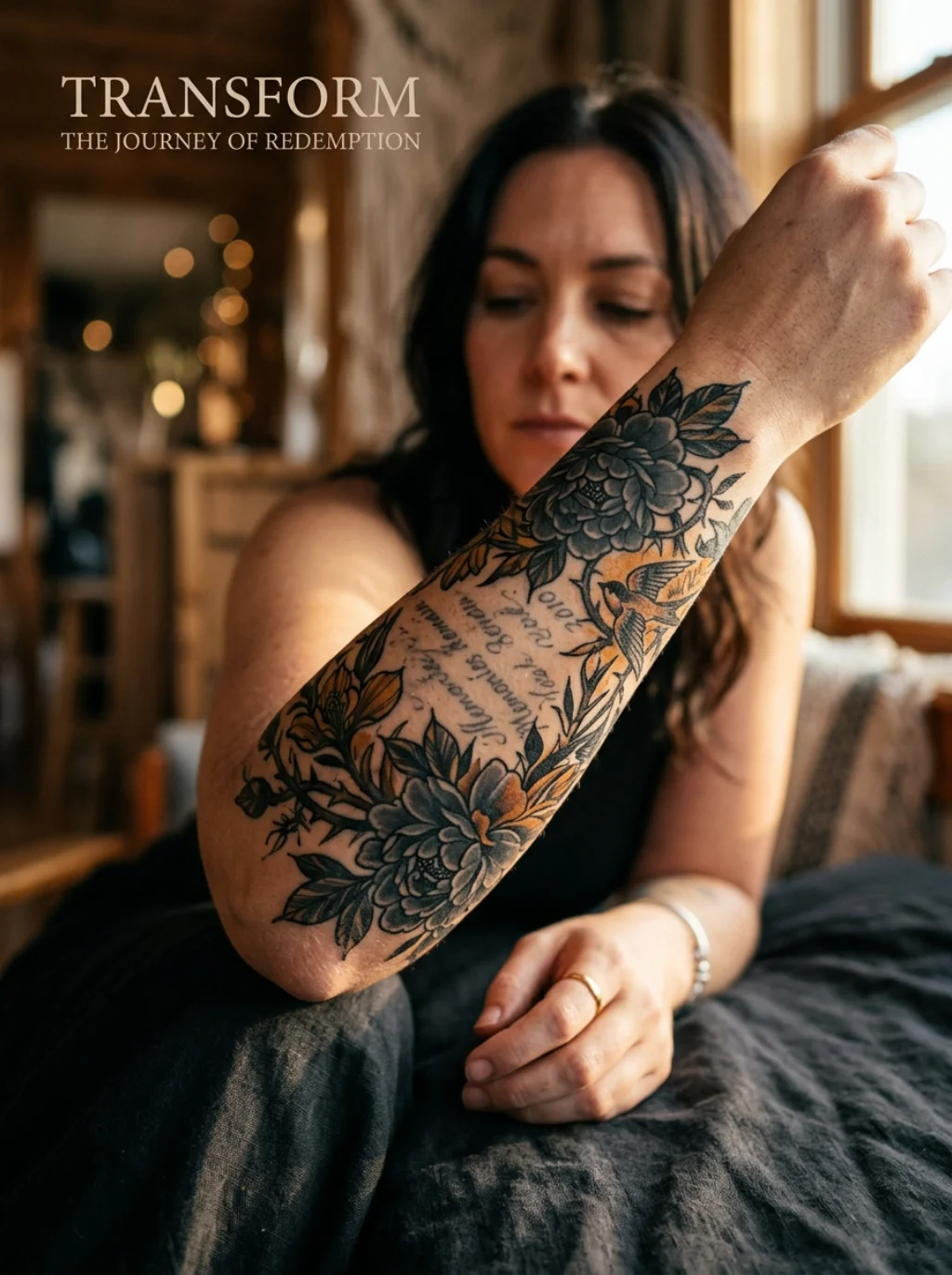
Regret has a strange way of sitting quietly on skin for years before someone finally acts on it. However, that hesitation often ends the moment life moves forward into something new.
This is where name cover up tattoos step in, turning a painful reminder into art worth keeping. Rather than living with name tattoo regret, many people choose transformation instead. It’s less about erasing the past and more about writing a better chapter over it.
The Exact Moment Most People Decide a Name Has to Go
Something usually triggers the decision. Maybe it’s a breakup. Maybe it’s simply growing tired of explaining an old story to strangers at the gym.
Whatever the reason, this moment often marks the start of a genuine tattoo transformation story. For many, it becomes less about the ex and more about reclaiming ownership over their own skin. This shift in mindset fuels one of the most common name cover up tattoo decisions people make.
Blackout Ink That Erases the Past Without Erasing Your Story
Sometimes the boldest solution is also the simplest one. Blackout tattoo style work covers a name completely using dense, solid black ink, leaving zero trace of the original lettering underneath.
This approach ranks among the most reliable black out tattoo cover methods available, especially for stubborn or poorly done original tattoos. It’s dramatic, undeniable, and permanent in a completely different way. Many people pair blackout sections with negative space linework for added visual interest.
Mandala Patterns Powerful Enough to Swallow Any Name Whole
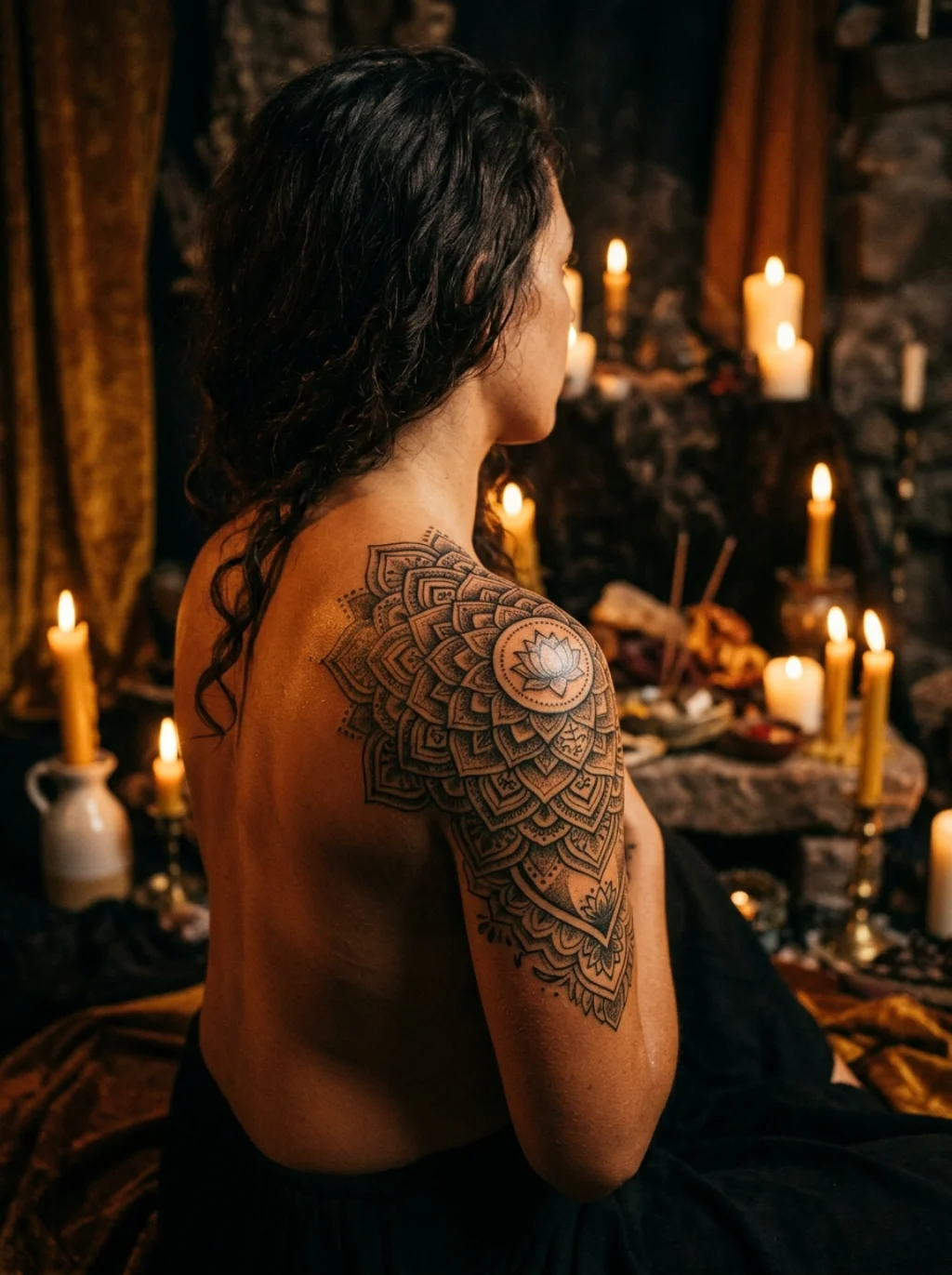
Geometry has serious covering power when done right. A mandala cover up design uses repeating circular patterns dense enough to fully absorb the original name into something entirely new.
This mandala design approach works especially well on rounder body areas like shoulders or upper arms. Because mandalas rely on symmetry and detail, they naturally distract the eye from ever noticing where old ink once lived. It’s structured, symbolic, and visually commanding.
Floral Designs That Bloom Directly on Top of What You Lost
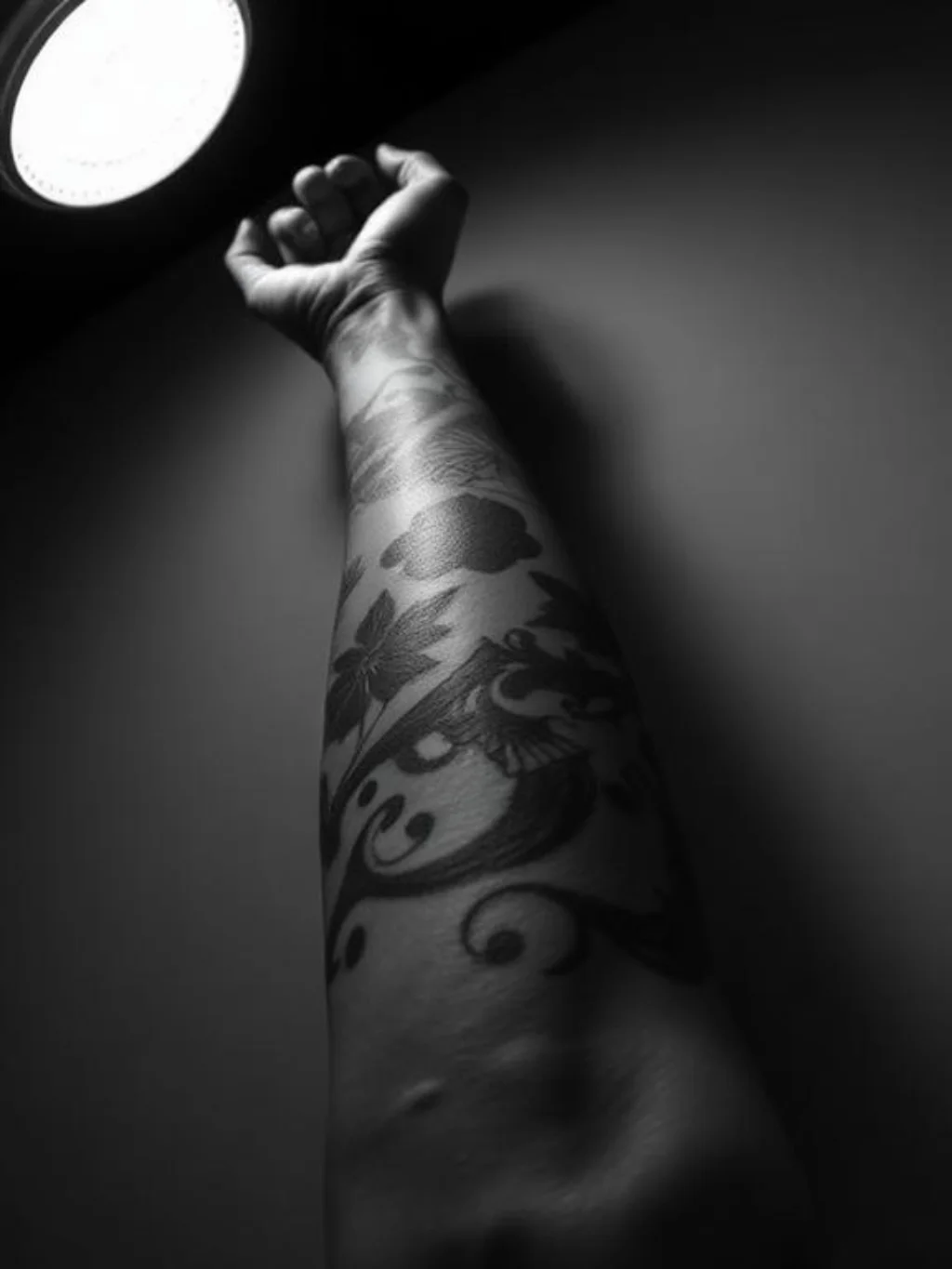
Flowers carry a gentler energy compared to blackout or geometric work, yet they still provide serious coverage capability. A floral cover up tattoo blooms directly over old lettering, using layered petals and shading for depth.
This style fits beautifully into broader skin art trends favoring organic, nature inspired designs. Roses, peonies, and botanical vines all work well here, especially when combined with darker shading to fully mask stubborn ink sitting beneath the new design.
Script Rework Turning Someone Else’s Name Into Something New Entirely
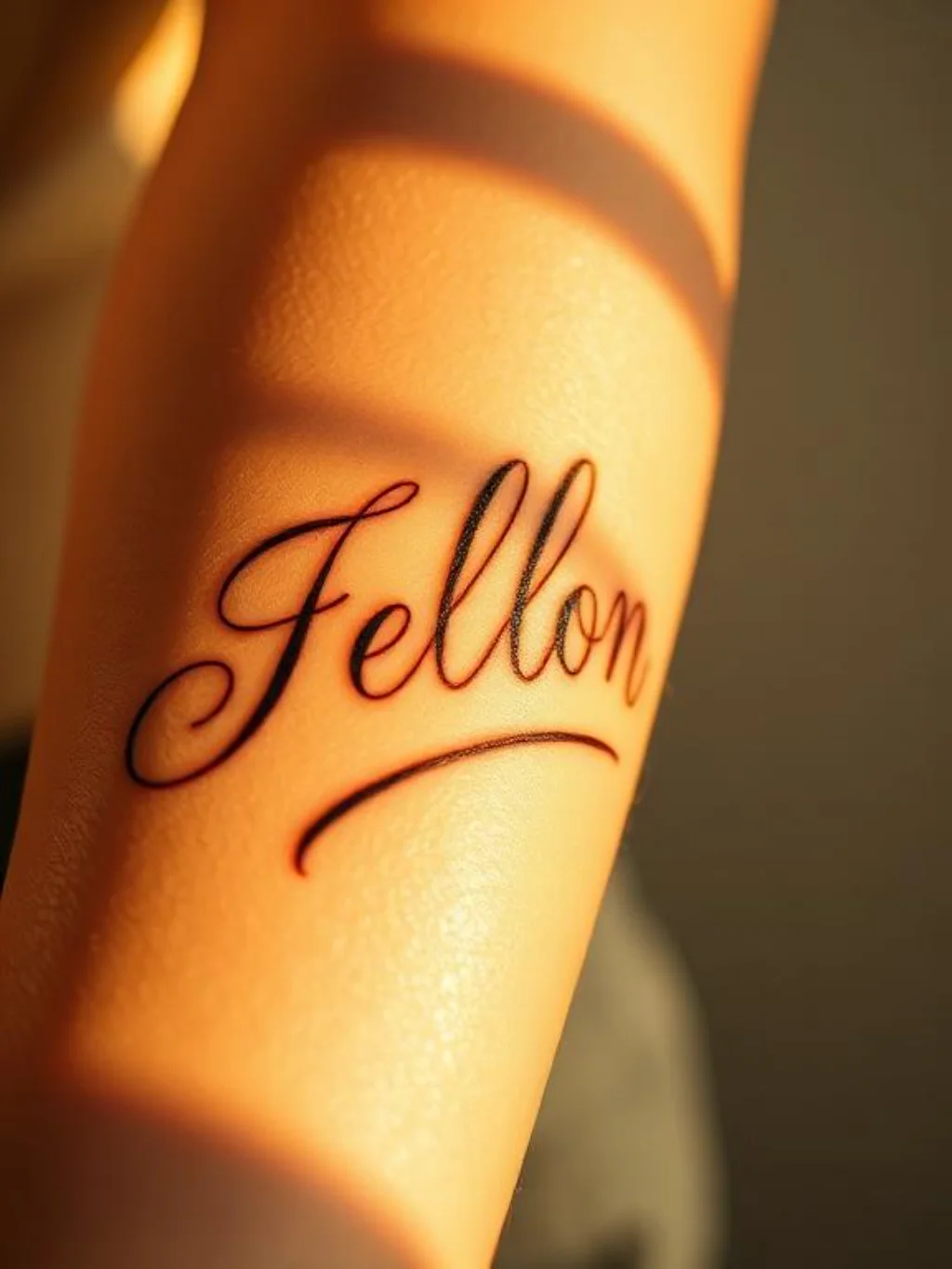
Sometimes the smartest cover up doesn’t hide the script at all. It transforms it. A script tattoo cover up can rework existing lettering into a new word, phrase, or symbol using the original linework as a base.
This creative approach to tattoo redesign ideas requires serious skill, since the artist must disguise old letterforms within new ones. Done well, it feels less like a cover up and more like clever reinvention hiding in plain sight.
Geometric Shapes Built Specifically to Hide Stubborn Lettering
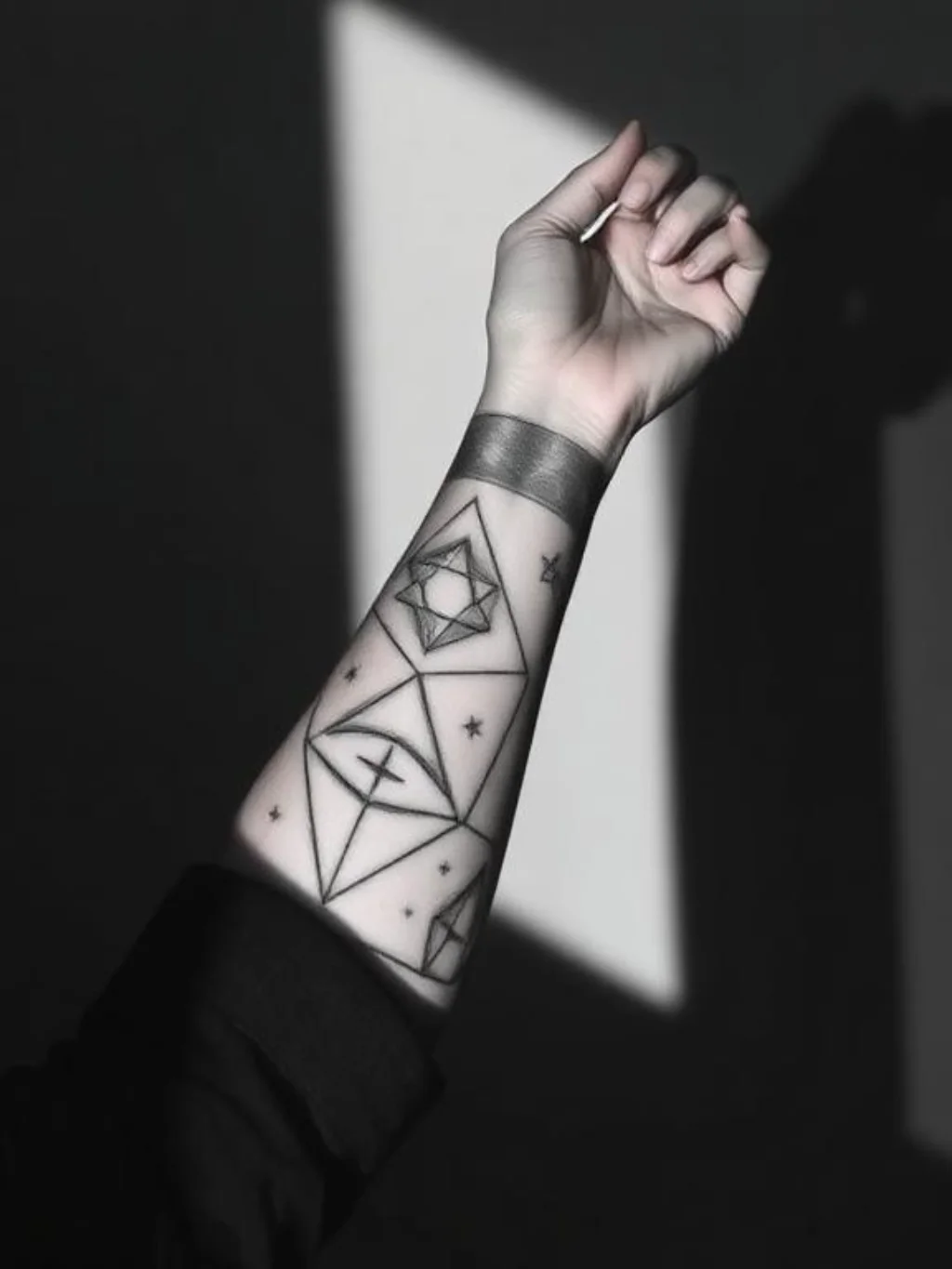
Sharp lines and angular patterns offer a completely different visual language compared to florals or blackout work. A geometric tattoo pattern breaks up lettering using intersecting shapes that naturally disrupt the eye’s ability to read old text.
you may also like this:22 Trio Tattoo Ideas Perfect for Friends, Siblings, and Family
This method suits people drawn to modern, structured aesthetics over softer organic designs. Combining geometric shapes with a tribal tattoo pattern or celtic knot design adds cultural depth while still delivering serious coverage over dense original ink.
Watercolor Techniques That Blur a Name Into Abstract Beauty
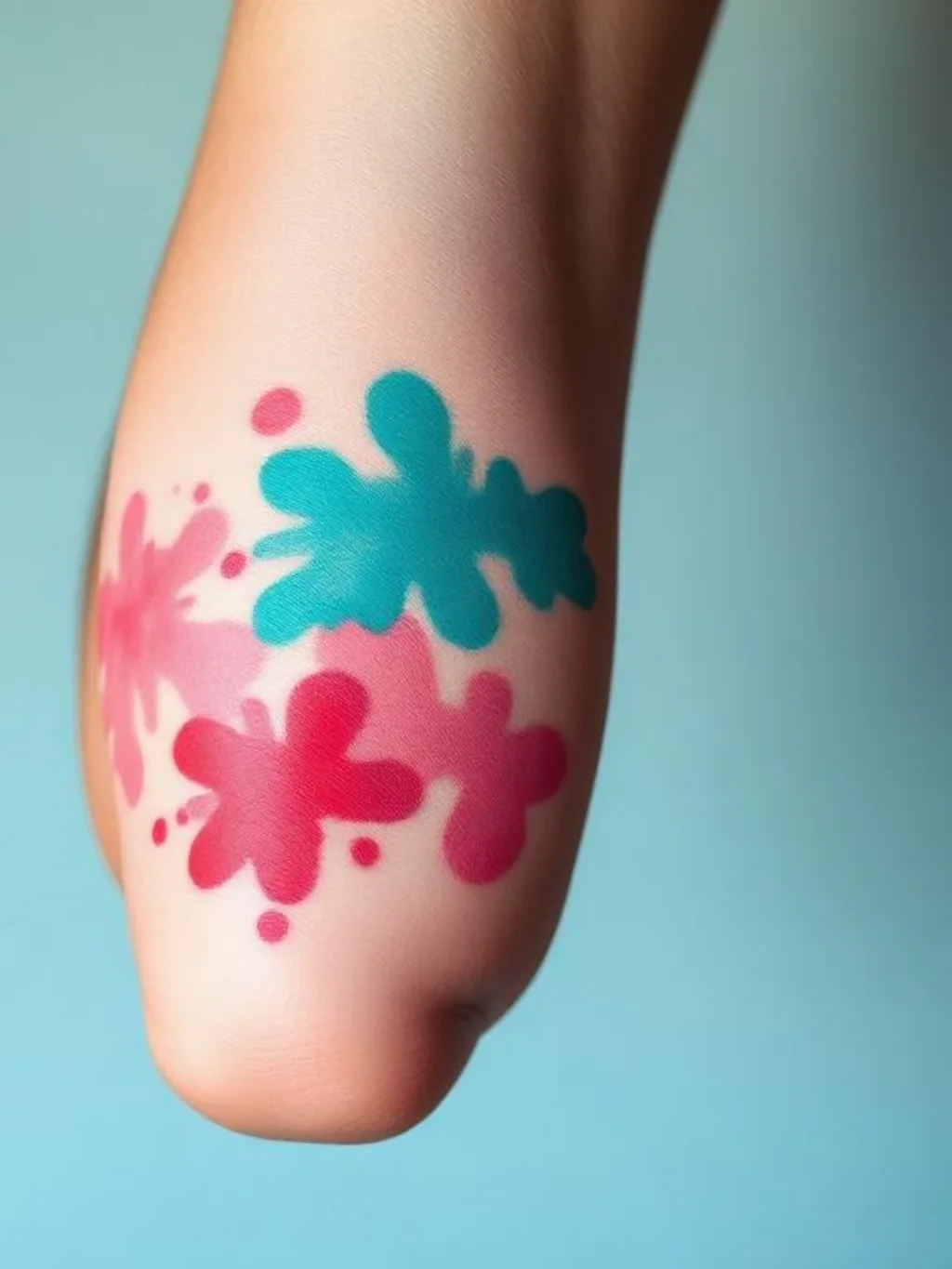
Not every cover up needs hard edges or heavy saturation. Watercolor tattoo style work blurs a name into soft, abstract color bursts that feel painterly rather than graphic.
This technique works best when paired with darker anchor elements underneath, since pure watercolor alone sometimes lacks enough density for full coverage. Still, for smaller or lighter original tattoos, this approach delivers one of the most artistic cover up tattoo designs available today.
Portrait and Realism Work Strong Enough to Dominate Old Ink
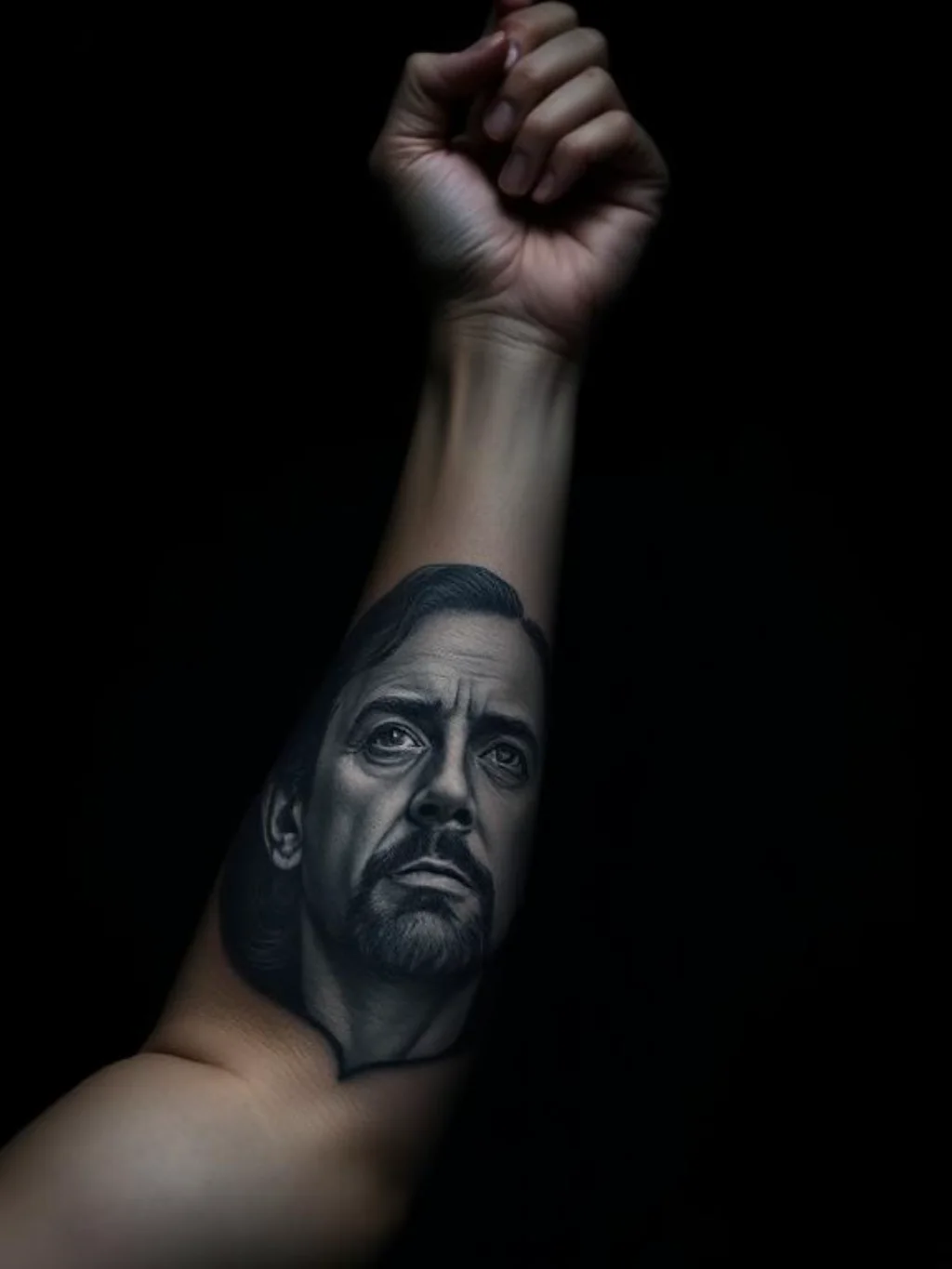
Realism demands serious technical skill, but it delivers unmatched visual dominance over old lettering. A realism tattoo style portrait or scene naturally draws attention away from any trace of the original name.
This approach relies heavily on black and grey shading to create depth and dimension. Because realism pieces require significant ink density, they double as one of the most effective old name tattoo cover solutions for larger, darker original tattoos.
Laser Fading Before Cover Up: The Step Most People Skip
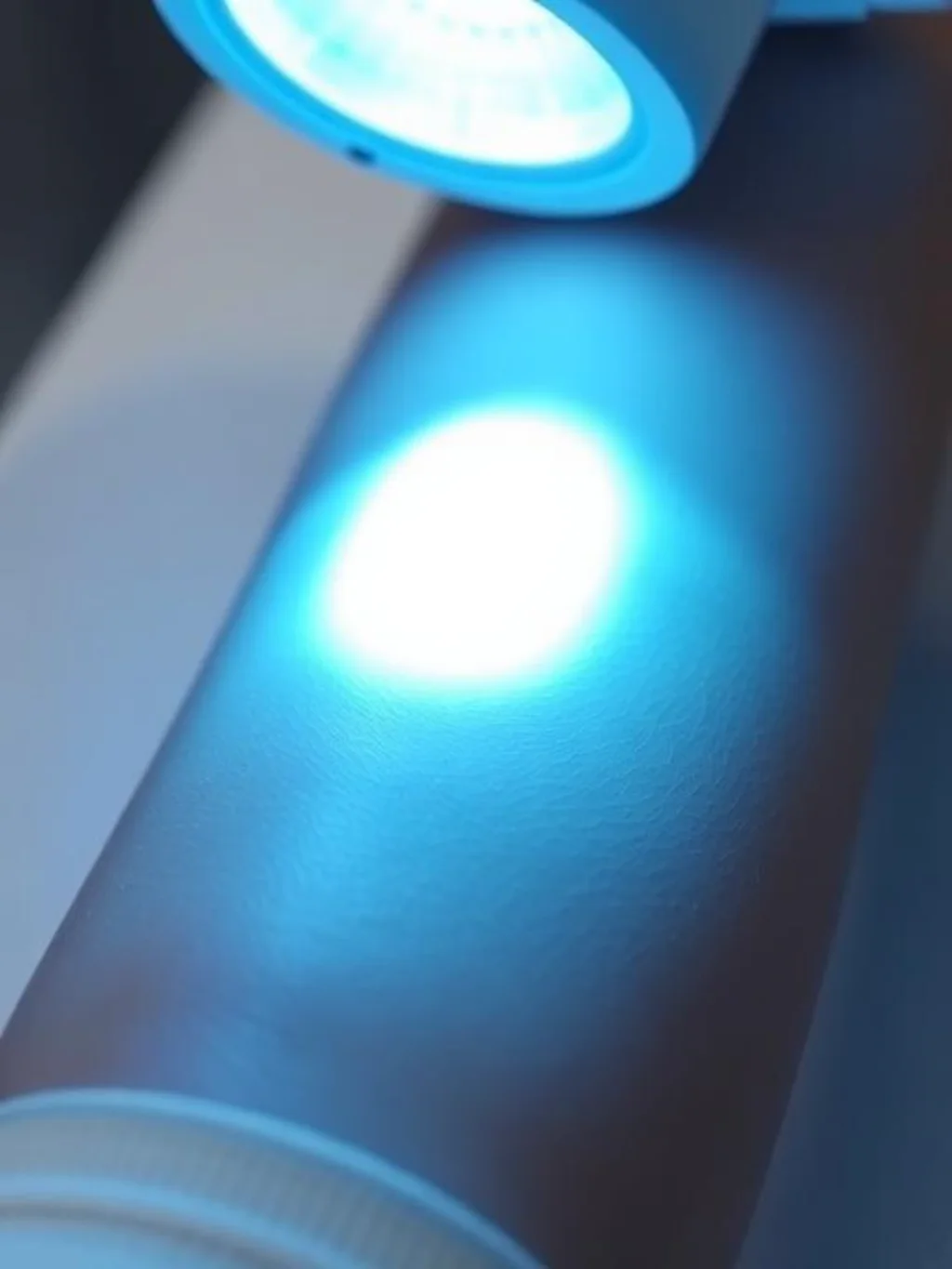
Not everyone realizes laser treatment can dramatically improve cover up results. Tattoo laser removal, even partial fading, gives artists far more flexibility with color and lighter design elements.
Skipping laser removal before cover up tattoo sessions often limits design options to darker, denser styles only. For anyone wanting brighter colors or more delicate linework, a few fading sessions beforehand genuinely widens what’s creatively possible during the final rework.
Consultation Secrets That Decide Whether a Cover Up Actually Works
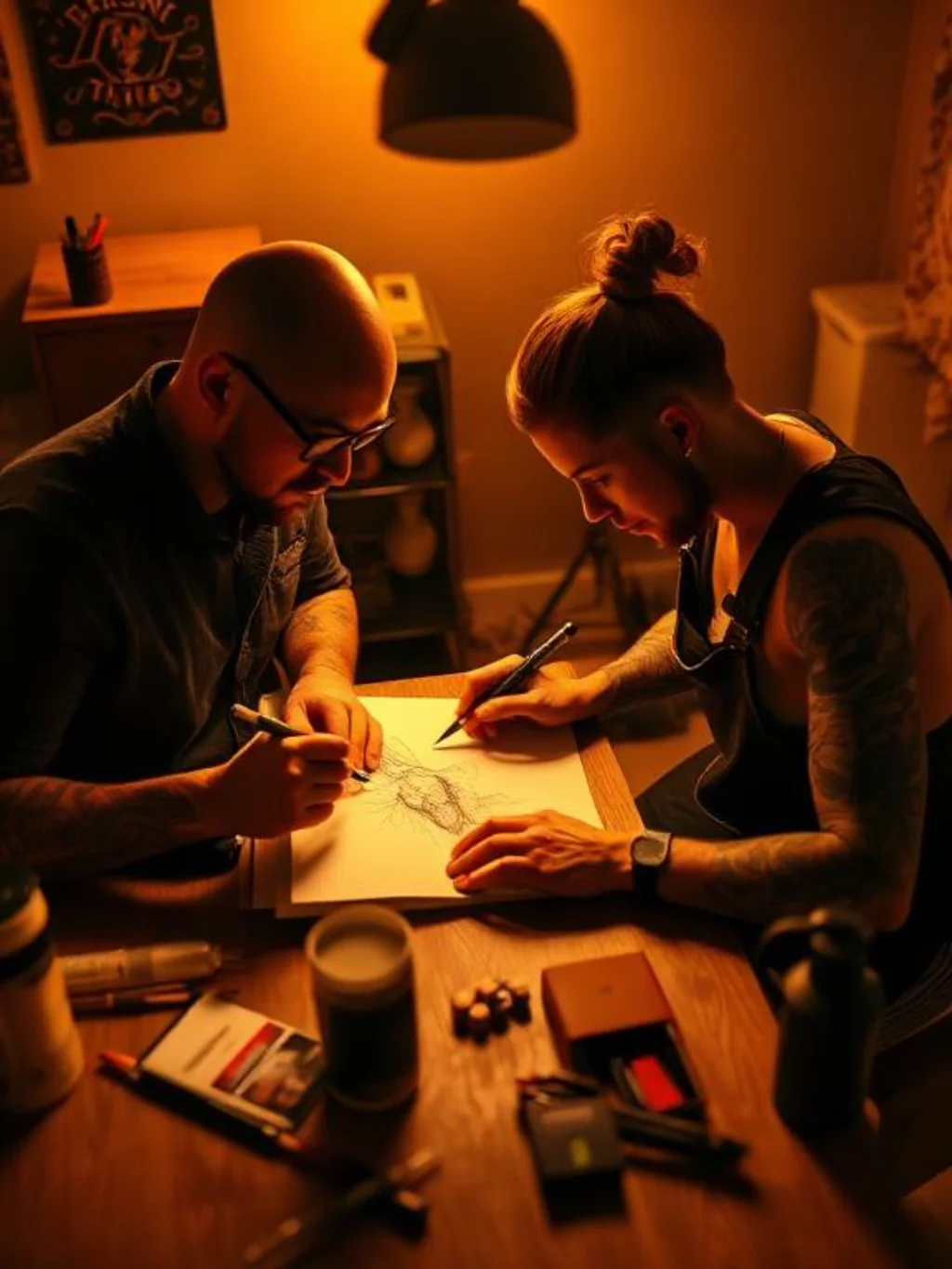
A rushed consultation often leads to disappointing results. A thorough tattoo artist consultation examines ink saturation, scarring, and skin condition before any needle touches the area.
Following real name cover up tattoo consultation tips means bringing reference images and being honest about expectations. This conversation shapes the entire tattoo redesign process, ensuring the final piece actually achieves full coverage rather than a half-finished compromise.
Placement Challenges Unique to Forearm and Wrist Name Tattoos
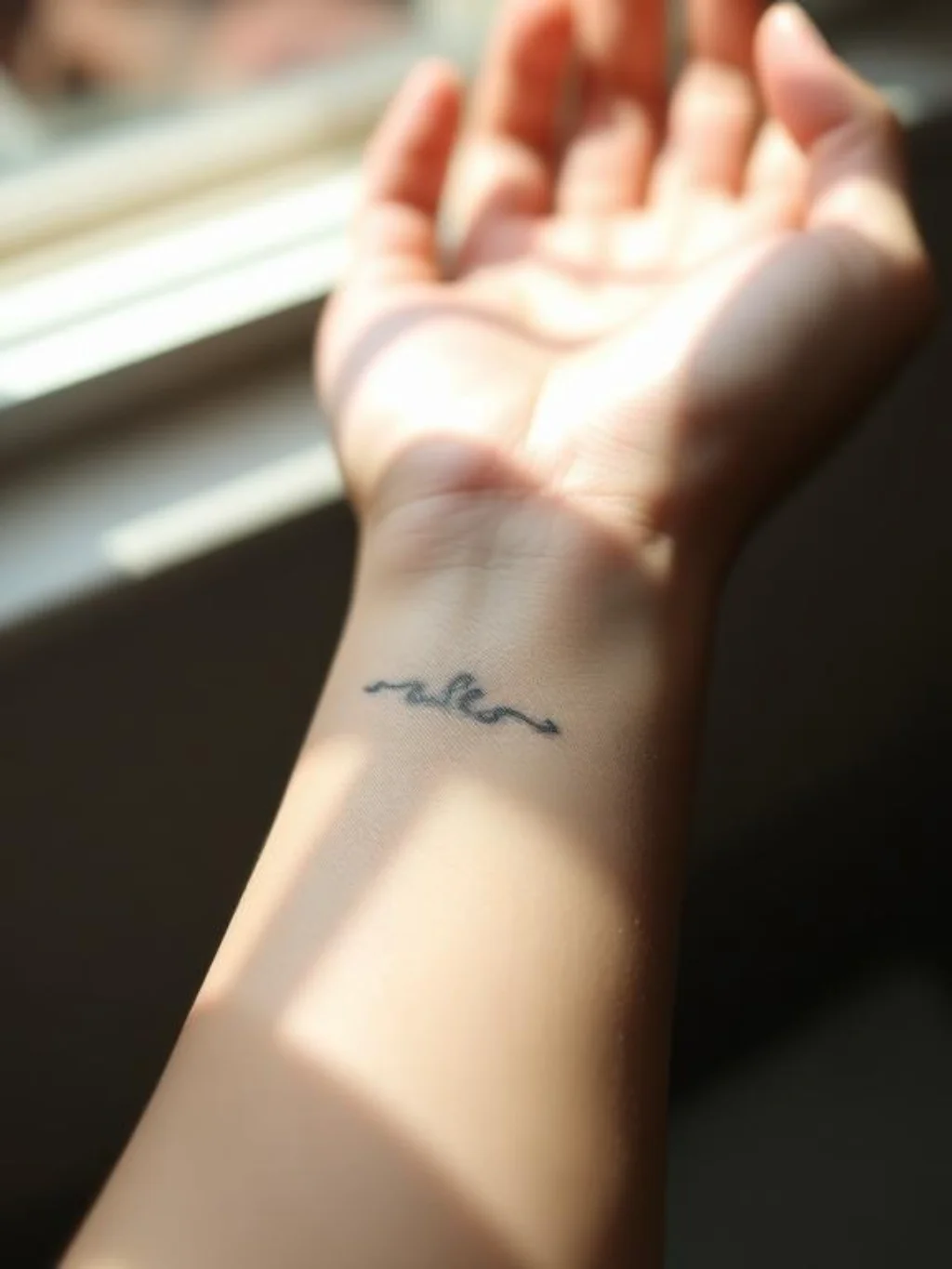
Smaller areas like the wrist create unique design challenges compared to larger canvases. A wrist tattoo area often lacks enough space for dense coverage designs like mandalas or heavy blackout work.
This makes forearm tattoo area placement slightly more forgiving, offering more room for creative floral or geometric solutions. Following a solid tattoo placement guide helps set realistic expectations for what’s achievable within tighter, bonier skin areas.
Chest and Back Cover Ups Where Size Becomes an Advantage
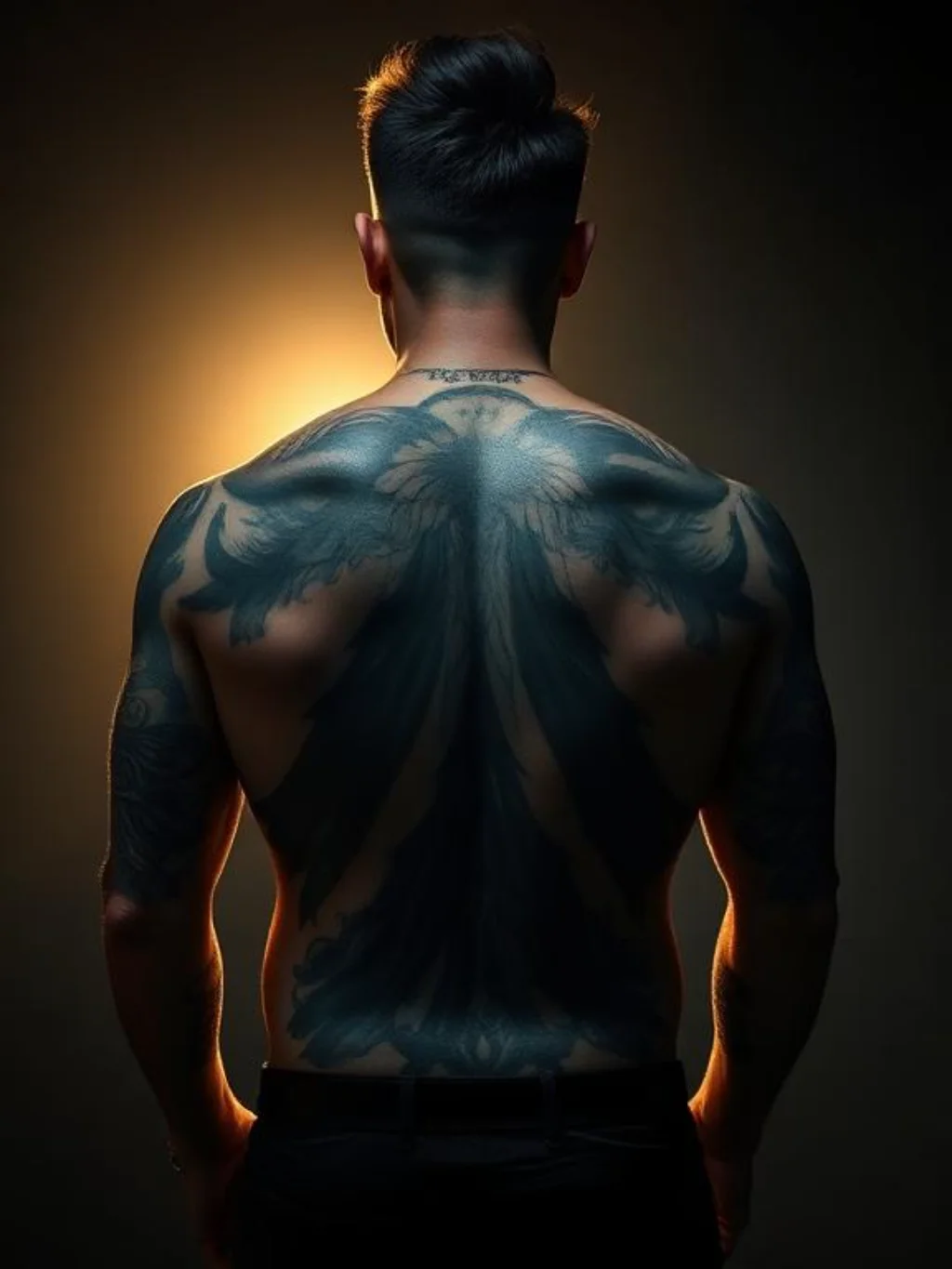
Larger canvases genuinely simplify the cover up process. A chest tattoo area or back tattoo area offers enough space for elaborate designs that fully integrate the old name into something significantly larger and more detailed.
This size advantage supports serious custom tattoo design work, since artists can extend shading and patterns well beyond the original tattoo’s borders. This blending technique often produces the most seamless, undetectable final results available.
The Real Cost Difference Between Cover Ups and Full Removal
Cost comparisons matter for anyone weighing their options seriously. Full laser removal often requires multiple sessions spread across many months, adding up significantly over time.
| Category | Typical Range |
|---|---|
| Cover Up Tattoo | Moderate to High (single session focus) |
| Full Laser Removal | High (multiple sessions over months) |
| Partial Fade + Cover Up | Moderate (combined approach) |
Understanding cover up tattoo cost against full removal pricing helps set a realistic budget before committing to either path forward.
Pain Levels When Ink Already Lives Beneath the Skin
Skin that’s already tattooed responds differently to a needle than fresh, untouched skin. Tattoo cover up pain often feels slightly more intense, since scar tissue and existing ink density change how skin reacts.
Following a general tattoo pain chart helps set expectations, though name cover up tattoo pain level varies based on original tattoo size and location. Areas with thinner skin, like wrists, tend to feel more sensitive during rework sessions.
Healing a Cover Up While Healing From What It Represents

Physical healing and emotional healing rarely move at identical speeds. Following proper cover up tattoo aftercare protects the new design, while tattoo emotional healing often takes considerably longer to fully settle.
The tattoo healing process for cover ups typically spans two to three weeks on the surface. Moisturizer, sun protection, and patience all support cover up tattoo healing, alongside whatever personal closure the design itself represents for the wearer.
Color Saturation Problems That Sink an Otherwise Great Design
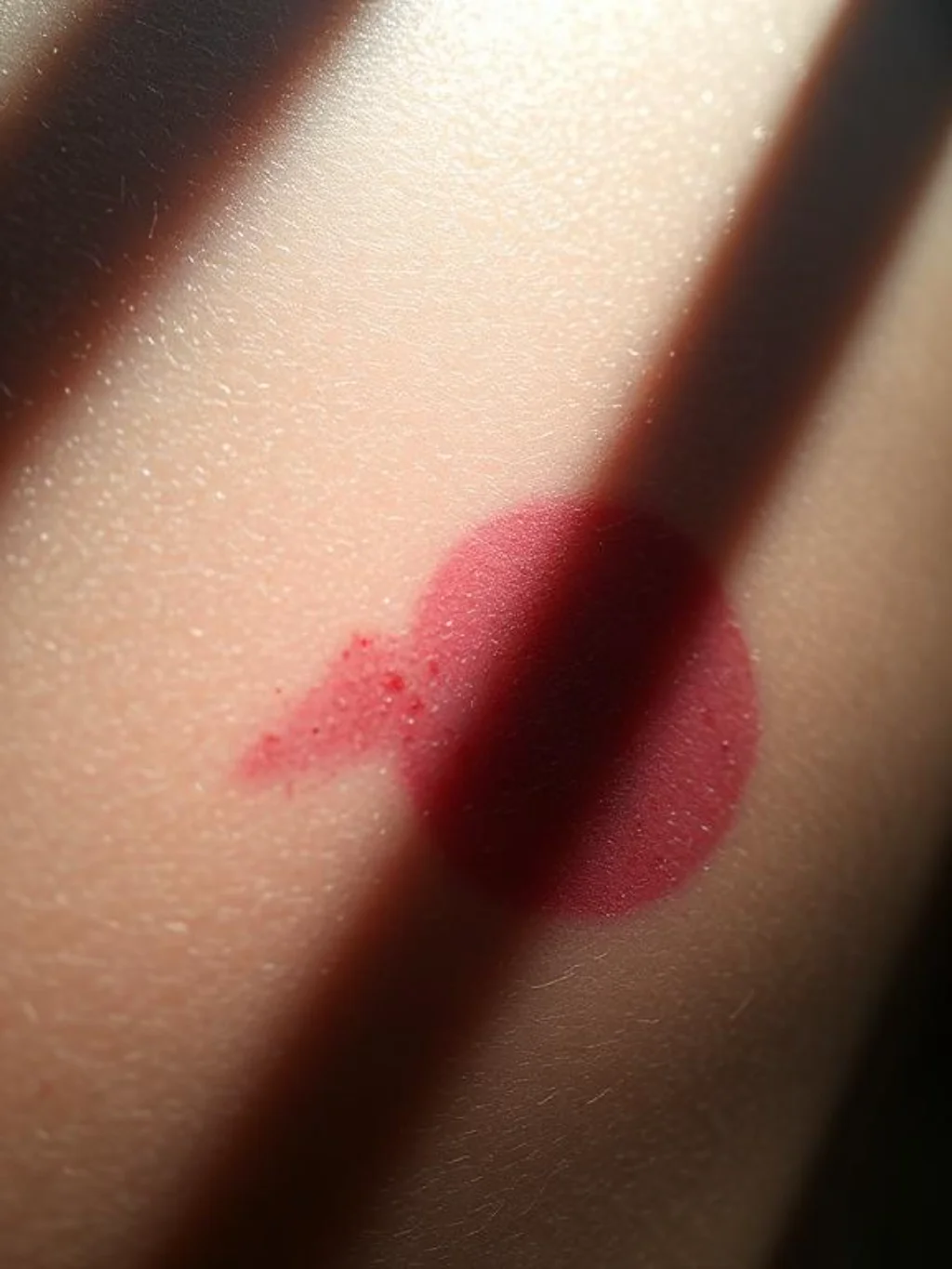
A beautifully planned design can still fail without proper saturation coverage. Tattoo pigment density from the original name often shows through lighter colors if not addressed carefully during planning.
This is where tattoo cover up size matters enormously too, since a design must extend beyond the original ink’s borders for full coverage. Skilled artists build in extra shading buffer specifically to prevent this frustrating saturation problem later.
Choosing an Artist Skilled Enough to Handle Dense Old Ink
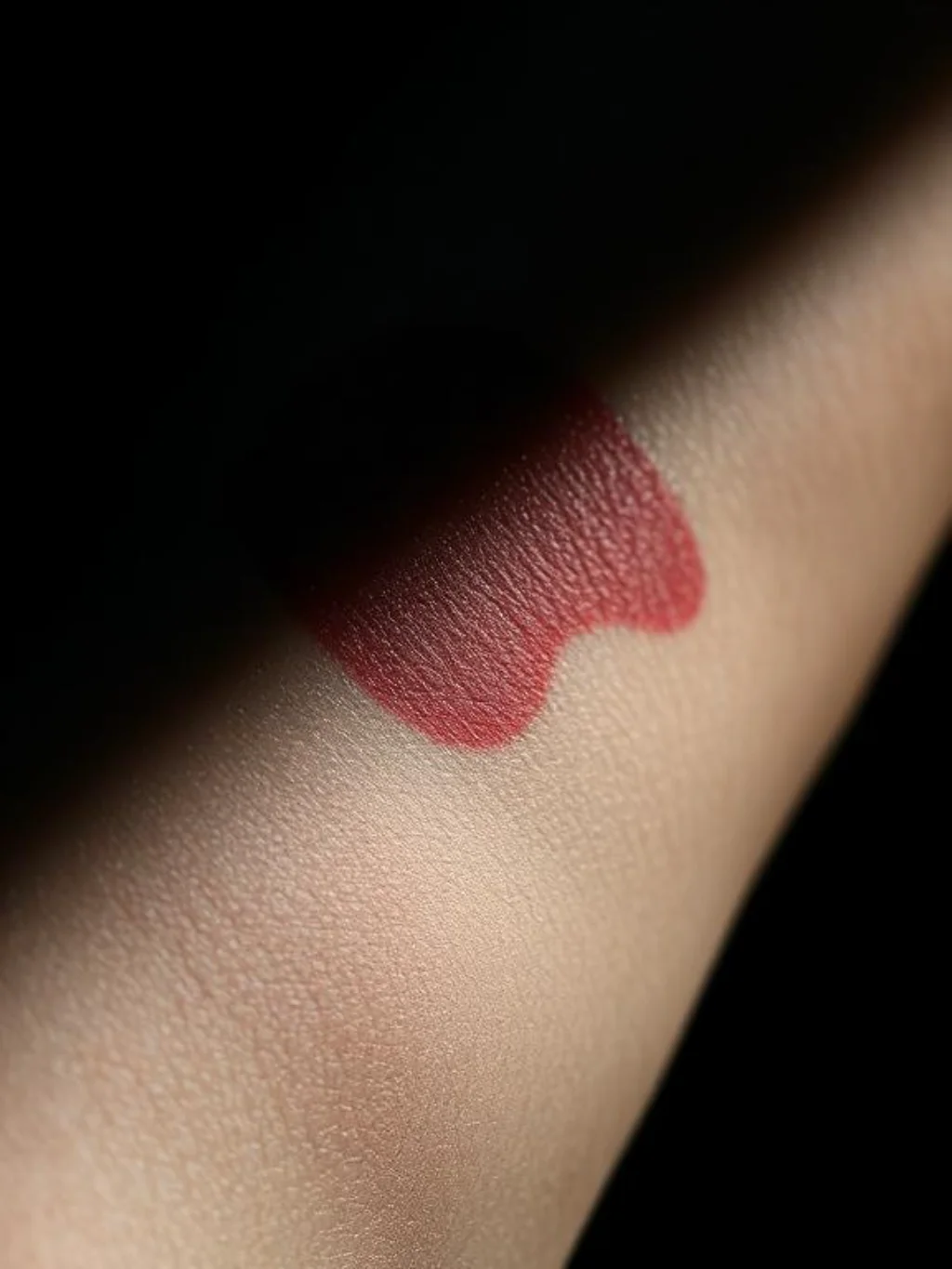
Not every tattoo artist specializes in cover up work, and that distinction matters enormously. A tattoo cover up artist needs specific experience reading old ink saturation and designing around its limitations.
Reviewing portfolios focused on name tattoo cover up ideas rather than general flash work reveals true tattoo artist skill level for this specific niche. This research step alone often determines whether a cover up succeeds or disappoints.
Symbolism Options That Replace Heartbreak With Something Empowering

Meaning matters just as much as visual coverage for most people choosing this path. Replacing tattoo relationship symbolism with something personally empowering turns the entire piece into genuine tattoo self expression.
Popular choices include a phoenix symbol for rebirth or a lotus flower symbol for growth through difficulty. These options transform a tattoo breakup story into something representing tattoo empowerment rather than lingering attachment to the past.
Multiple Session Realities Nobody Mentions Before Booking
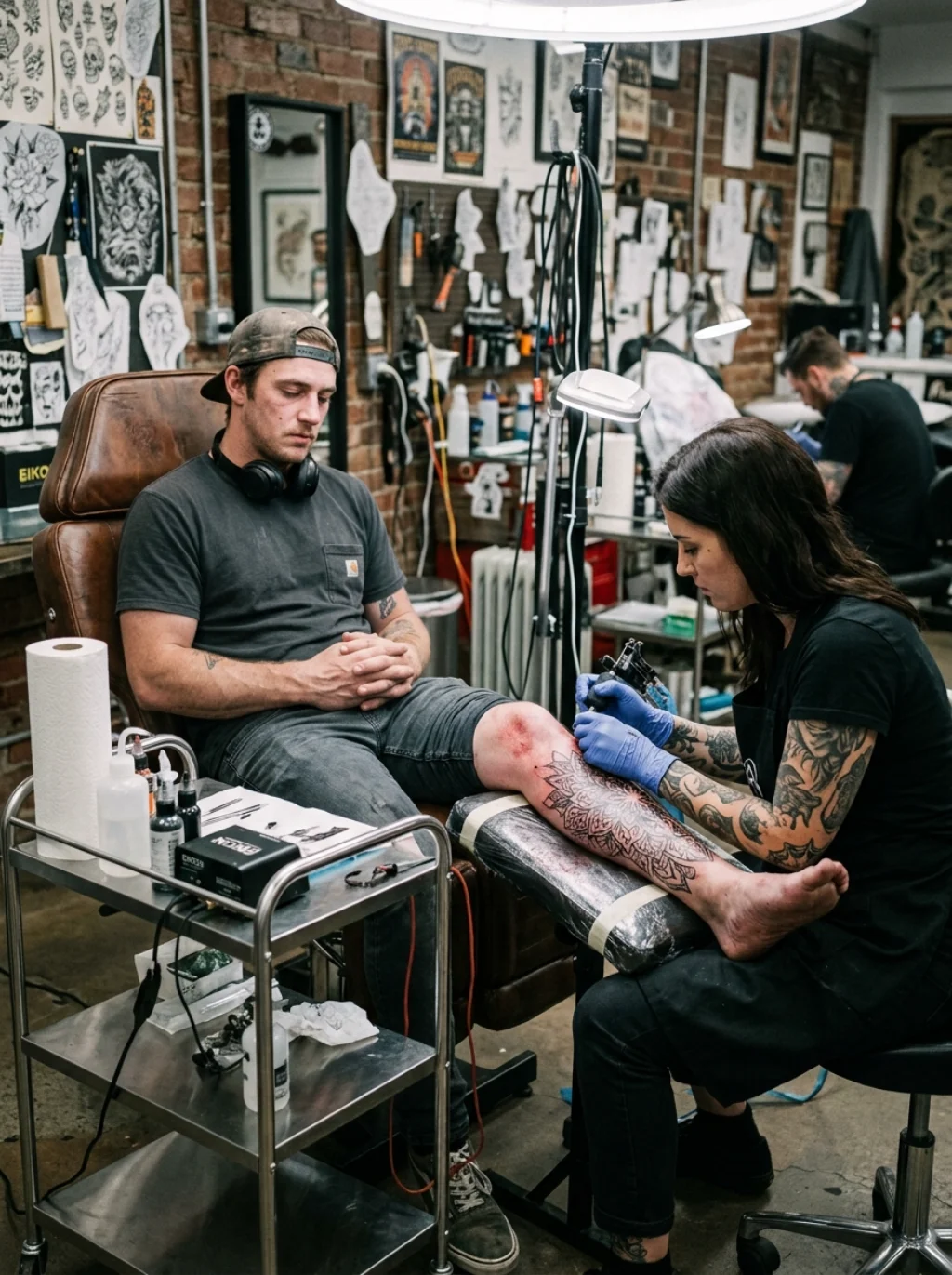
Cover ups rarely finish in a single sitting, especially for larger or darker original tattoos. Multiple sessions allow shading to build gradually, ensuring full saturation without overworking sensitive, already-tattooed skin.
This reality catches many people off guard during their first tattoo artist consultation. Budgeting time and money for name cover up tattoo touch up sessions upfront prevents disappointment later when one appointment simply isn’t enough for complete transformation.
Common Cover Up Mistakes That Leave Shadows of the Old Name
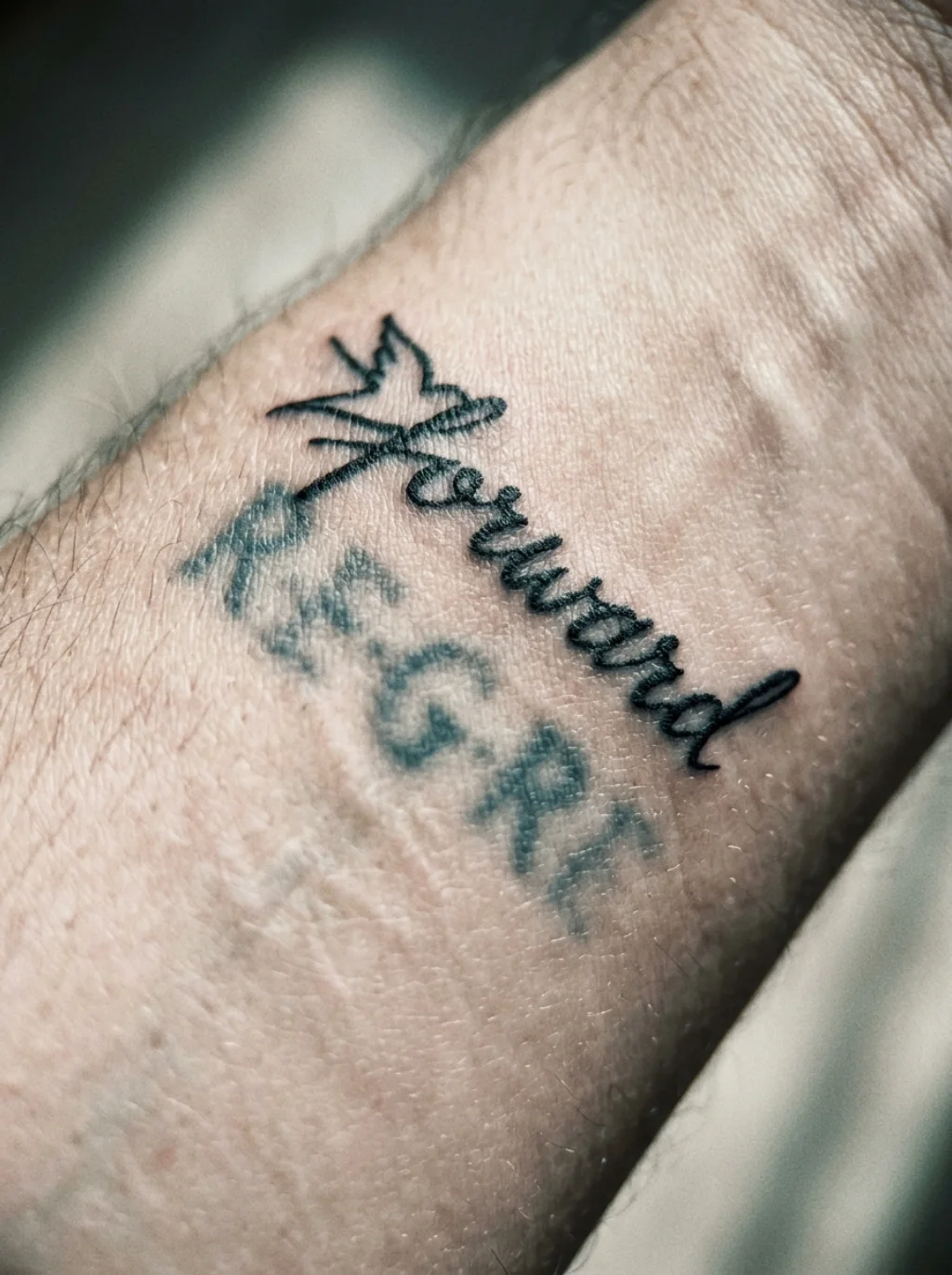
Rushed decisions often lead to disappointing results. Name cover up tattoo mistakes typically involve choosing designs too small or too light to fully mask the original lettering underneath.
Other frequent errors include skipping laser fading when it would have genuinely helped, or choosing an inexperienced artist unfamiliar with cover up tattoo placement challenges. Avoiding these pitfalls comes down to research and patience, not rushing toward quick results.
Before and After Transformations That Prove Redemption Is Possible
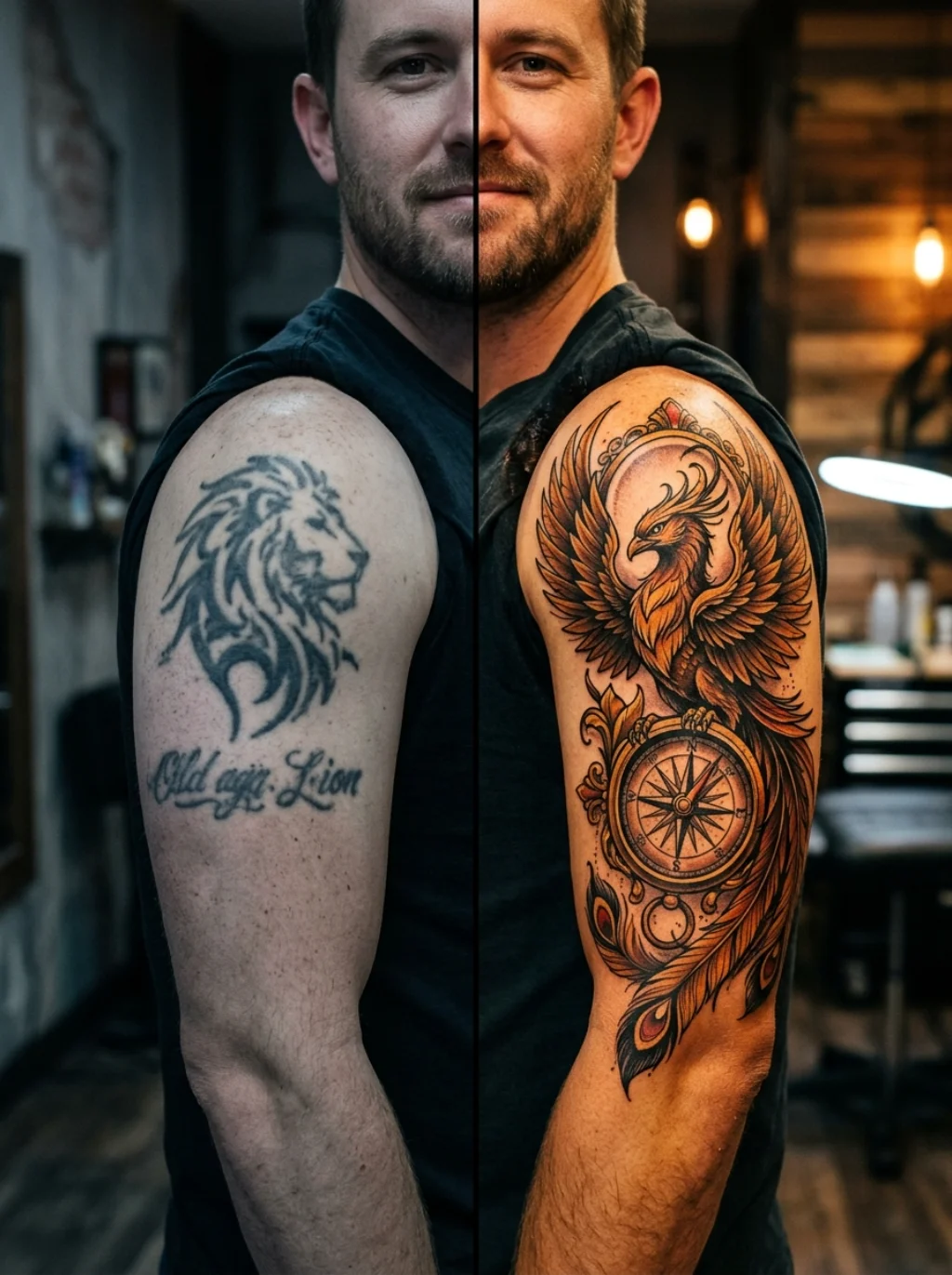
Few things feel more satisfying than a genuine name tattoo transformation revealed after months of planning. These name tattoo cover up before and after results often surprise even the client themselves once fully healed.
This transformation represents more than visual change alone. It marks a tattoo new beginning, proof that regret doesn’t have to stay permanent even when the ink technically is. Many describe the final reveal as deeply cathartic.
Frequently Asked Questions
Can any name tattoo be covered up completely?
Most name tattoos can be covered, though success depends on ink saturation, tattoo size, and how much darker or larger the new design needs to be.
Does a name cover up tattoo hurt more than a fresh tattoo?
Cover up sessions often involve more needle passes over already sensitized skin, which can make the process feel more intense than getting a completely new tattoo.
Should I get laser removal before a cover up tattoo?
Laser fading isn’t always required, but it gives the artist more flexibility with color and design, especially for dark or poorly done original tattoos.
How much does a name cover up tattoo typically cost?
Cost depends on size, color complexity, and how much rework is needed, with cover ups generally costing more than a standard new tattoo of similar size.
How long does a name cover up tattoo take to heal?
Healing typically takes two to three weeks on the surface, though larger or heavily shaded cover ups may need a few extra weeks to fully settle.
What is the best design for covering up a name tattoo?
Darker, denser designs like mandalas, blackout work, or bold florals tend to work best, since they provide enough coverage to fully hide the original lettering.
Conclusion
A name cover up tattoo offers more than a fresh design. It offers a chance to reclaim skin that once told a story you’re ready to move past. Whether the choice leans toward blackout work, florals, mandalas, or realism, success depends heavily on choosing a skilled artist who understands coverage, saturation, and design flow. With the right planning, patience through multiple sessions if needed, and a clear vision, what once felt like regret can transform into one of the most meaningful pieces on your body, backed by real tattoo confidence rather than lingering name tattoo regret.