
Introduction
Getting a new tattoo is one of the most personally meaningful and artistically exciting commitments a person can make, but the quality of the final result and the long-term health of the skin depends as much on what happens in the days and weeks after leaving the tattoo studio as it does on the skill of the artist who created the design in the first place. Tattoo aftercare is not a casual or optional dimension of the tattooing experience but rather a genuinely critical process that determines whether the colors remain vibrant and the lines stay sharp and clean for years to come, or whether premature fading, distortion, infection, and patchy healing undermine the quality and longevity of even the most beautifully executed tattoo work. The healing process after a tattoo involves a series of predictable physiological stages that require specific and attentive care at each phase to ensure the skin recovers fully and the tattoo settles into its permanent and most beautiful form without complications or quality-compromising interference from improper handling, inadequate hydration, excessive sun exposure, or any of the numerous other aftercare mistakes that consistently and preventably damage new tattoos during their most vulnerable healing period. This article presents 22 of the most important and practically useful tattoo aftercare instructions to help you protect your investment, support your skin through the healing process, and ensure your new tattoo looks as beautiful in ten years as it does on the day you first see it.
Keep the Initial Bandage On
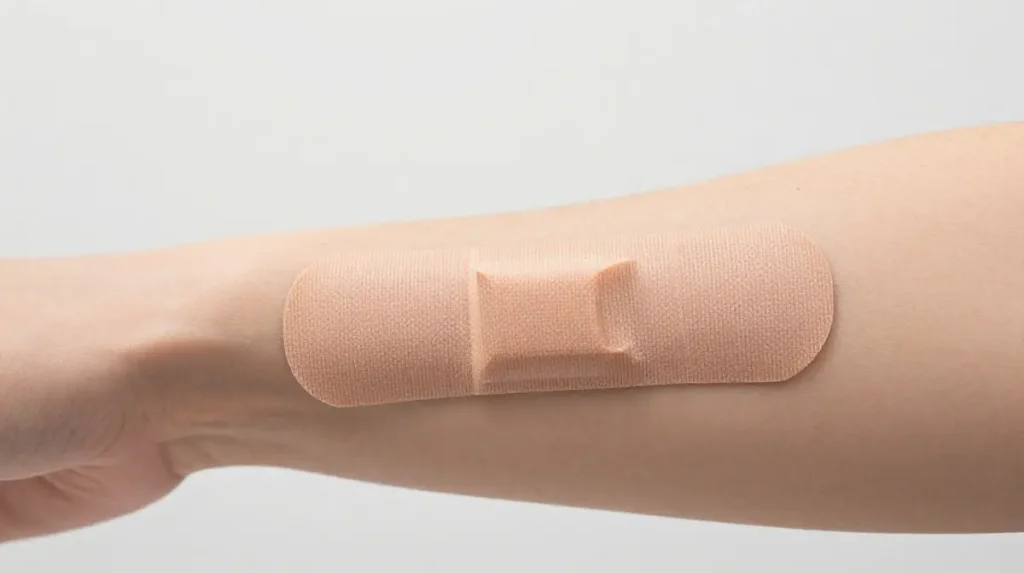
Leaving the initial bandage or wrap that your tattoo artist applies immediately after completing your tattoo in place for the full recommended time period is one of the most important and frequently ignored first tattoo aftercare instructions available, with most professional artists recommending a minimum of two to four hours for traditional plastic wrap coverings and up to several days for the newer and increasingly popular second-skin or saniderm adhesive bandage products that provide a sterile and breathable barrier during the critical first phase of the healing process. The initial bandage serves as a protective barrier between the freshly tattooed skin, which is technically an open wound at this stage, and the environmental bacteria, friction, clothing contact, and accidental physical impacts that could introduce infection risk or disrupt the very early stages of the skin’s healing response before the outer epidermal layer has begun to close and protect the underlying tattooed dermis. Artists who use traditional plastic wrap typically recommend removing it after two to four hours and then beginning the active cleaning and moisturizing phase of the aftercare routine, while those who apply second-skin bandages may recommend leaving them in place for three to five days during which the bandage itself manages the wound fluid and provides ideal healing conditions without requiring any additional product application or cleaning procedures. Following your specific artist’s bandage instructions precisely rather than defaulting to general online advice is critically important because different artists use different covering products that require genuinely different management approaches. This is the single most immediately important tattoo aftercare instruction to follow correctly from the very first moments after your tattooing session concludes.
Wash Your Tattoo Gently
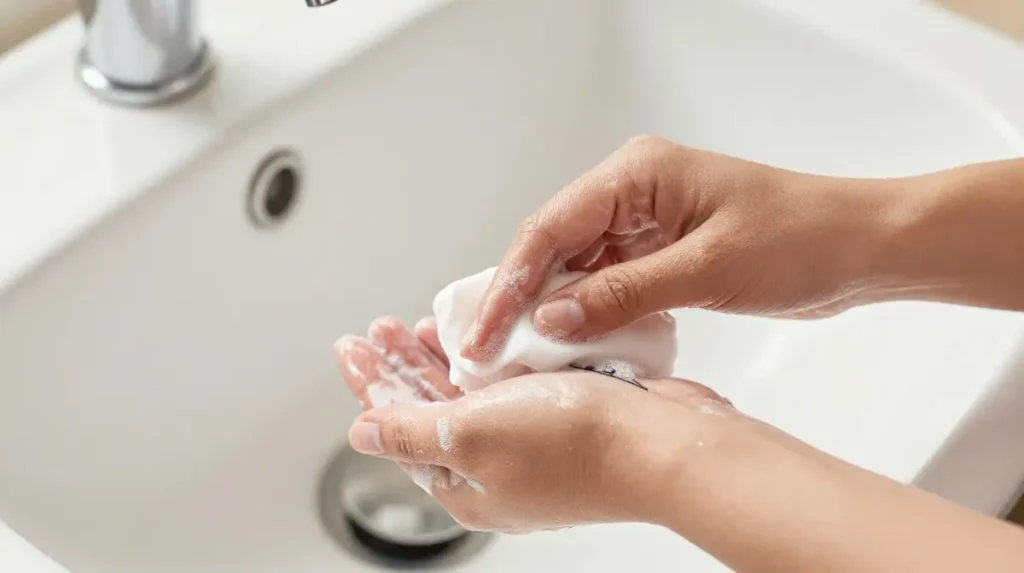
Washing the new tattoo with clean hands and a gentle fragrance-free soap is one of the most essential ongoing tattoo aftercare practices during the first two weeks of the healing process, removing the plasma, excess ink, and biological material that accumulates on the surface of the fresh tattoo wound and creates the environment for bacterial growth and infection if left in place for extended periods without appropriate and gentle cleaning intervention. The washing process should be performed twice daily using clean hands rather than a washcloth or sponge that could harbor bacteria or create friction against the tender healing skin surface, with a gentle and unscented antibacterial or mild soap applied in soft circular motions that remove surface contamination without aggressively scrubbing or disturbing the healing tissue beneath the outer skin layer. Lukewarm water is the most appropriate temperature for washing a new tattoo, as hot water opens the pores and can cause excessive plasma weeping and potential ink migration while very cold water can be uncomfortable and ineffective at clearing the organic materials from the wound surface without the mild emollient effect of slightly warmed water. After washing, the tattoo should be gently patted dry with a clean paper towel rather than a fabric towel that could harbor bacteria or leave fibers on the fresh wound surface, with particular care taken to ensure the skin is completely dry before applying any moisturizing product to avoid trapping moisture against the healing skin. This is one of the most fundamentally important and consistently practiced tattoo aftercare instructions that every new tattoo owner needs to understand and execute correctly twice daily throughout the active healing period.
Apply a Thin Layer of Moisturizer
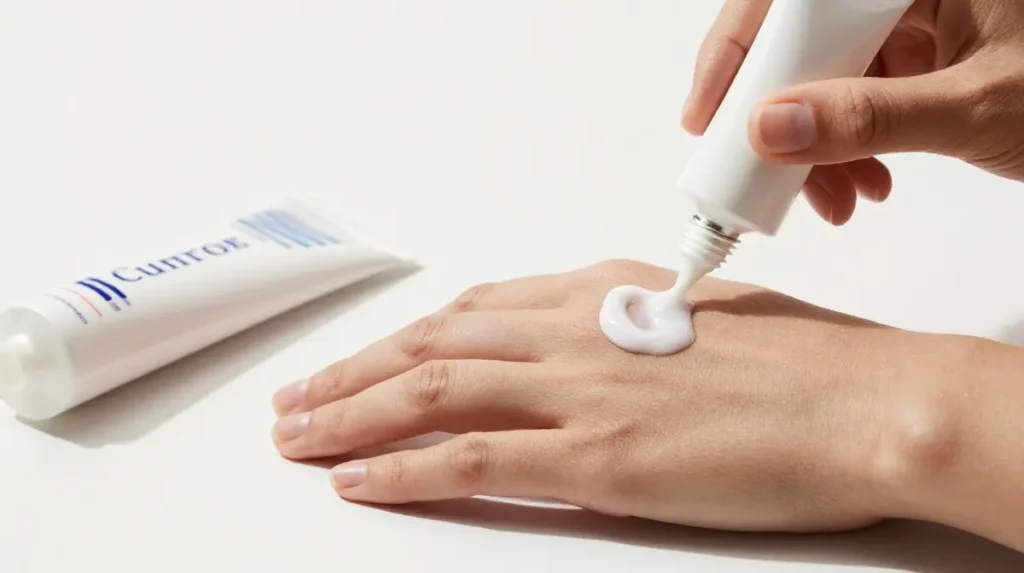
Applying a thin and even layer of an appropriate unscented moisturizer to the healing tattoo after each washing session is one of the most directly beneficial and practically impactful tattoo aftercare instructions available, providing the skin with the hydration and protective barrier it requires to heal efficiently and completely without the excessive dryness, cracking, and scabbing that occur when the healing skin surface is allowed to become dehydrated during the critical cellular repair and regeneration phase of the tattoo healing process. The choice of moisturizer is critically important, with fragrance-free, alcohol-free, and dye-free formulations being the most universally safe and appropriate choices for new tattoo aftercare due to the absence of the potentially irritating and sensitizing chemical additives that can cause contact dermatitis and allergic reactions on the compromised and highly sensitive skin of a healing tattoo. Unscented lotions including Lubriderm, CeraVe, and Eucerin are widely recommended by professional tattoo artists and dermatologists as appropriate healing moisturizers, while dedicated tattoo aftercare products including Hustle Butter and Aquaphor are also commonly used by both artists and clients with generally positive healing outcomes. The moisturizer should be applied in a very thin and even layer rather than a thick or heavy application that could clog the healing pores and create an anaerobic environment that promotes bacterial growth beneath the product layer and impedes the skin’s natural breathing and healing processes. This is one of the most consistently important and skin-condition-determining tattoo aftercare instructions for ensuring that the healed tattoo retains the maximum possible vibrancy, clarity, and surface quality of the original fresh tattoo application.
Avoid Direct Sunlight
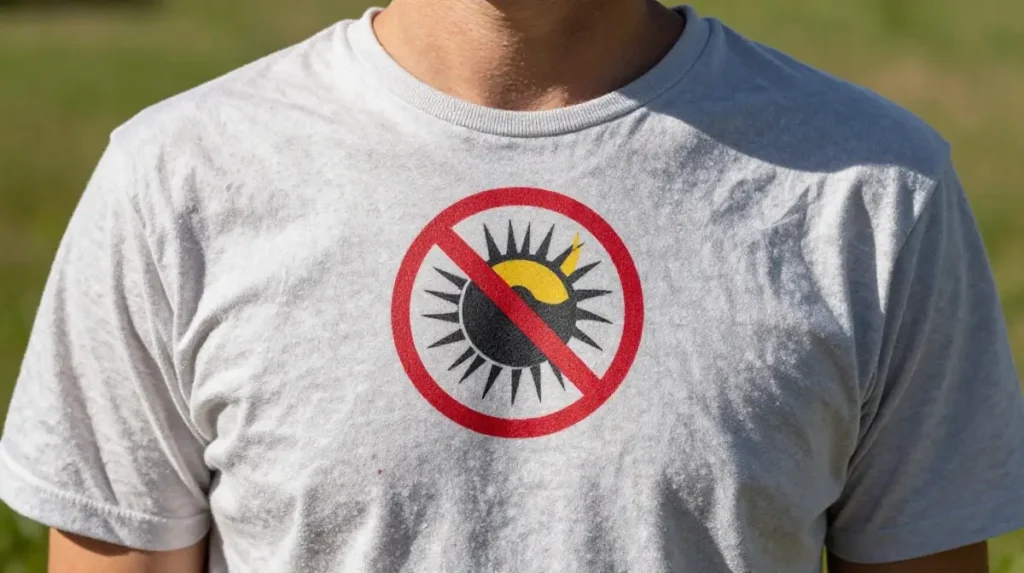
Protecting a healing tattoo from direct sunlight exposure is one of the most important and consistently emphasized tattoo aftercare instructions available from professional artists and dermatologists, as ultraviolet radiation is one of the most damaging and permanently quality-reducing environmental factors that new tattoo skin encounters during the vulnerable healing period when the protective mechanisms of healthy intact skin have not yet been fully reestablished following the tattooing process. Fresh tattoo skin lacks the fully functioning melanin distribution and intact epidermal barrier that provides normal skin with its natural resistance to UV damage, making the healing tattoo significantly more vulnerable to the photodegradation of ink pigments, the inflammatory sun damage that can cause post-inflammatory hyperpigmentation, and the accelerated fading of color that sun exposure consistently and unavoidably produces in tattoo pigments across all skin types and ink color categories. During the active healing period of the first two to four weeks, the tattoo should be kept covered with clean clothing whenever sun exposure is unavoidable, with particular attention paid to activities and environments where sun exposure is prolonged and intense and therefore poses the greatest cumulative risk to the quality of the healing and newly healed tattoo. After the tattoo has fully healed, the consistent use of a high SPF broad-spectrum sunscreen applied to the tattooed skin whenever it is exposed to sunlight is one of the most important and high-impact long-term maintenance practices available for preserving the vibrancy and clarity of tattoo pigments over many years of the tattoo’s life. This is one of the most comprehensively important tattoo aftercare instructions for both immediate healing quality and long-term tattoo maintenance and pigment preservation.
Do Not Pick or Scratch
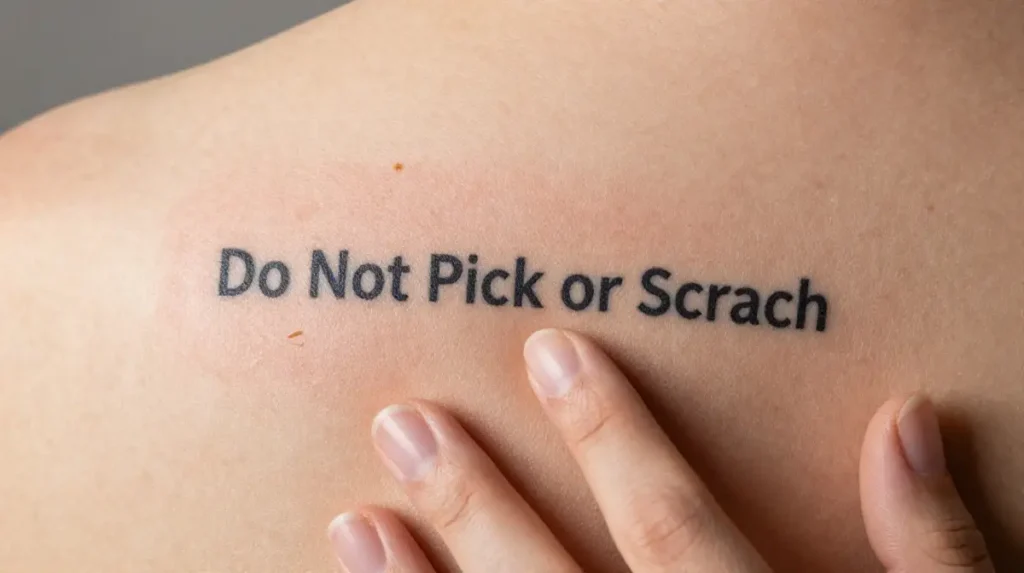
Resisting the urge to pick, scratch, or peel the flaking skin and developing scabs on a healing tattoo is one of the most behaviorally challenging but critically important tattoo aftercare instructions for new tattoo owners to follow consistently throughout the healing process, as the mechanical removal of healing skin layers before they are naturally ready to shed disrupts the precise pigment deposition in the dermis and can cause permanently visible scarring, color loss, and patchy healing that compromises the quality and visual integrity of the finished tattoo in ways that may require expensive and time-consuming touch-up work to address. The itching and flaking that typically begins around days three to seven of the healing process and continues through the completion of the primary healing phase is a normal and expected part of the skin’s natural regenerative response as the outer epidermal layers shed and renew over the healing dermis where the tattoo pigment has been permanently deposited, and while these sensations can be genuinely uncomfortable and difficult to ignore the healing outcome is significantly better when the natural shedding process is allowed to proceed without mechanical interference. Gentle patting of the itchy area with clean hands rather than scratching, applying a thin additional layer of moisturizer when the itching becomes particularly intense, and wearing loose clothing over the healing tattoo to reduce the frictional irritation that can exacerbate itching sensations are all helpful and skin-safe strategies for managing healing discomfort without compromising the outcome. This is one of the most behaviorally demanding and outcome-critically important tattoo aftercare instructions that requires consistent self-discipline and awareness throughout the full duration of the healing process.
Avoid Soaking the Tattoo
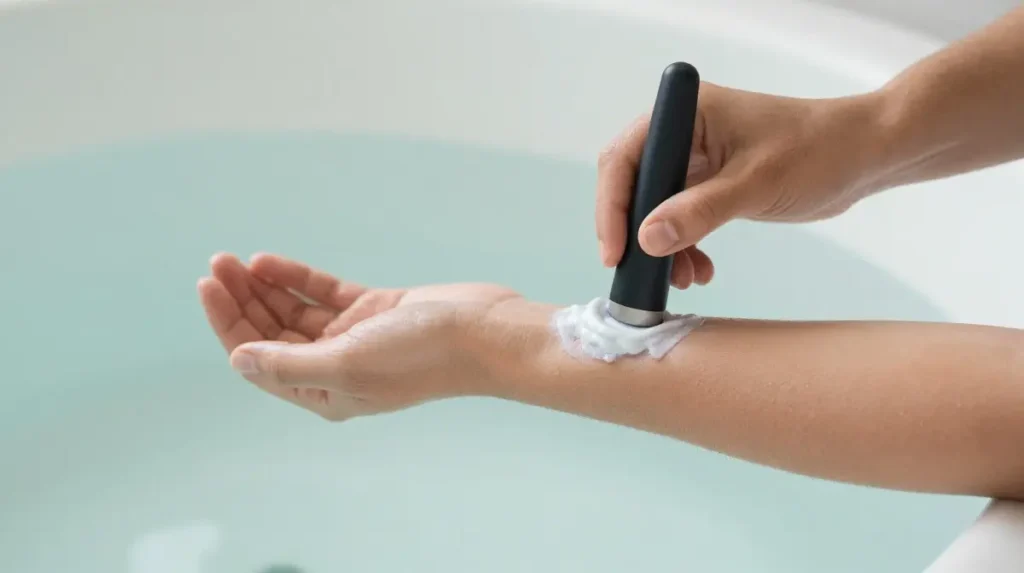
Keeping the healing tattoo completely out of bodies of water including swimming pools, natural bodies of water, hot tubs, and even full immersion baths during the first two to three weeks of the healing process is one of the most important and practically significant tattoo aftercare instructions for preventing the specific category of healing complications and quality compromises that excessive water exposure consistently causes in new tattoo wounds during their most vulnerable healing stages. Prolonged water immersion causes the healing skin to absorb moisture excessively and become macerated, a condition in which the skin softens and breaks down in a way that disrupts the organized cellular structure of the healing epidermis and allows ink to migrate, blur, and potentially leach from the dermis in a manner that permanently compromises the sharpness and color accuracy of the healed tattoo design. Swimming pools and natural water bodies pose the additional and serious risk of bacterial contamination, with the bacteria and other microorganisms present in these aquatic environments being capable of causing significant skin infections in the compromised and non-intact skin of a healing tattoo wound that lacks the full protective barrier function of healthy intact skin during its healing period. Quick showers are safe and necessary during the healing period but the tattoo should be kept out of the direct shower stream as much as possible and the showering time minimized to reduce the cumulative water exposure of the healing skin surface. This is one of the most practically impactful tattoo aftercare instructions for preventing both infectious complications and the cosmetic quality problems that excessive water exposure reliably and significantly causes in healing tattoos across all skin types and body placements.
Wear Loose Clothing Over the Tattoo
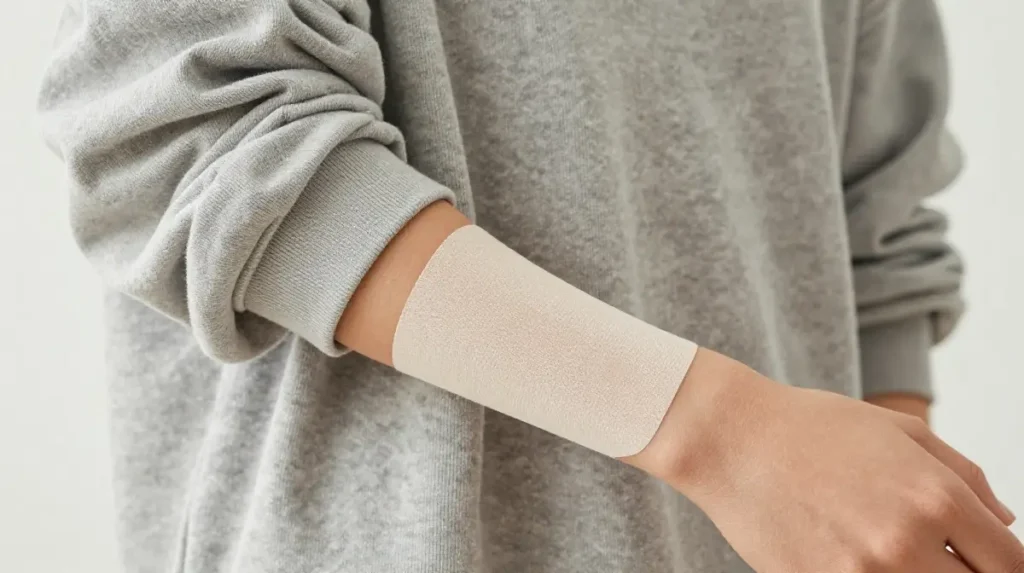
Wearing loose and soft clothing over a healing tattoo is one of the most practically important and easily actionable tattoo aftercare instructions for reducing the mechanical irritation, friction damage, and clothing fiber contamination that tight or rough-textured garments consistently cause to the vulnerable and sensitized skin of a new tattoo during the active healing and flaking phase of the recovery process. Tight clothing pressed directly against a healing tattoo creates persistent friction between the fabric surface and the healing skin that causes irritation, inflammation, disrupted healing, and the premature mechanical removal of healing skin layers that can result in patchy color loss and compromised line definition in the healed tattoo design when repeated across multiple days of contact without adequate protection. Loose cotton and other natural fiber clothing is the most appropriate fabric choice for covering a healing tattoo, with the breathable and soft character of natural fiber fabrics being significantly less irritating and more healing-compatible than the synthetic and rough-textured fabrics that create greater friction and less moisture management against the healing skin surface. If the tattoo location makes loose clothing particularly difficult to achieve, placing a clean non-adherent bandage or dressing between the clothing and the healing tattoo provides an effective friction-reducing and contamination-preventing intermediate layer that protects the healing skin surface without requiring a complete change of wardrobe. This is one of the most practical and immediately applicable tattoo aftercare instructions for people whose tattoo placement on the body makes loose clothing either difficult or impractical to consistently maintain throughout the full duration of the active healing period.
Stay Hydrated
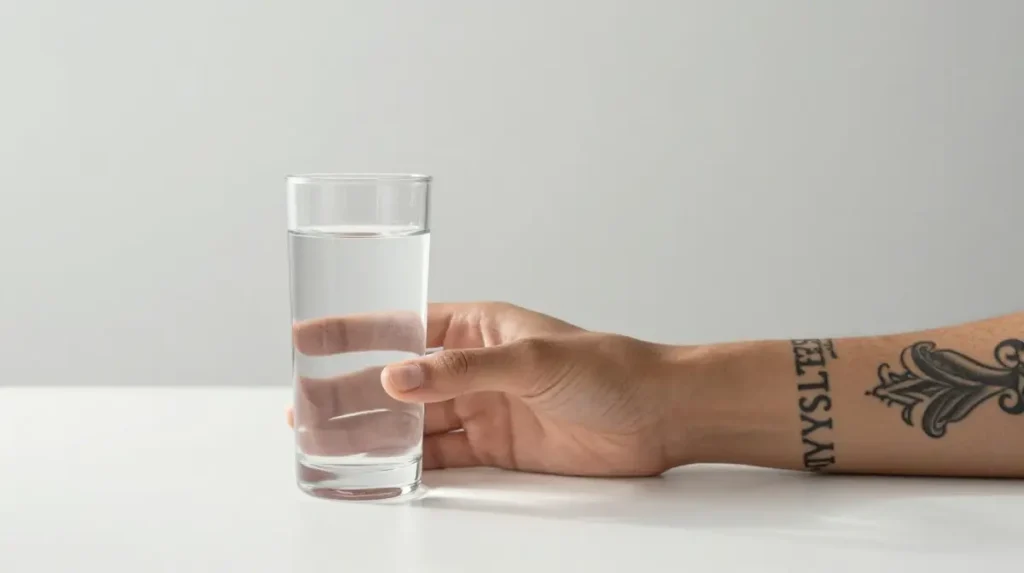
Maintaining excellent whole-body hydration through consistent daily water intake is one of the most overlooked and underemphasized but genuinely important and scientifically grounded tattoo aftercare instructions available, as the skin’s capacity to heal efficiently and completely is significantly influenced by the overall hydration status of the body and the moisture availability for the cellular processes of inflammation management, tissue repair, and new skin cell production that constitute the fundamental biological mechanism of tattoo healing. Well-hydrated skin heals more efficiently because the cellular processes of repair and regeneration operate optimally in an adequately hydrated tissue environment where all necessary cellular metabolites and signaling molecules are available in sufficient concentrations to support the complex biochemical cascade of wound healing through each of its organized phases. The recommendation for adequate daily water intake varies by individual body weight, activity level, and climate, but maintaining a minimum of eight glasses of water daily and prioritizing consistent hydration throughout the tattoo healing period provides a simple and universally accessible foundation for the whole-body physiological support that efficient healing requires beyond the specific topical interventions of cleaning and moisturizing. Avoiding excessive alcohol consumption during the healing period is also important as alcohol is a diuretic that promotes systemic dehydration and can thin the blood in ways that increase bleeding and plasma weeping from the fresh tattoo wound during the earliest and most acute phase of the healing process. This is one of the most systemically important and health-foundational tattoo aftercare instructions for supporting the body’s natural healing capacity from the inside out during the full duration of the tattoo recovery process.
Avoid Gyms and Sweating Heavily
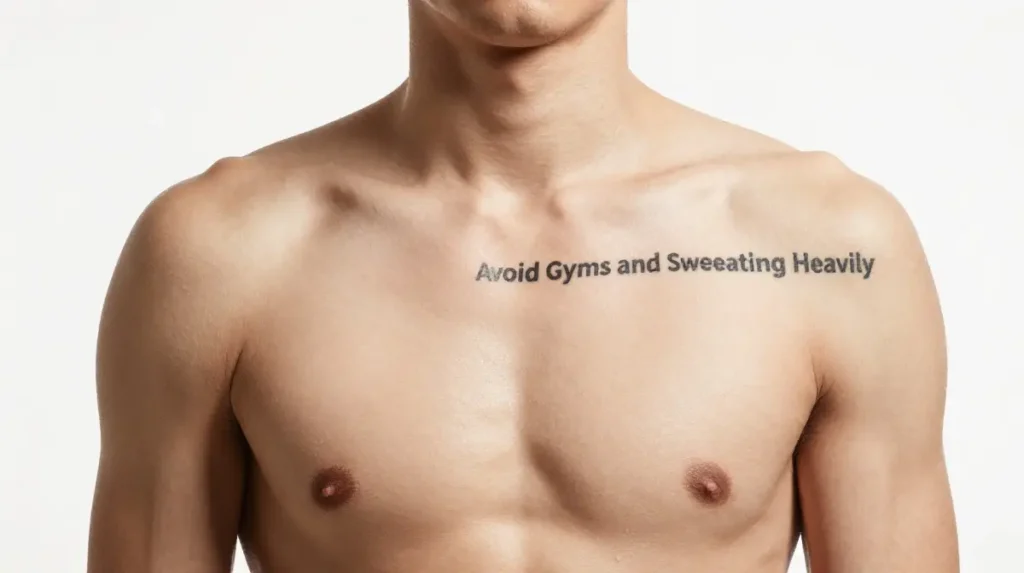
Avoiding strenuous exercise, gym sessions, and activities that produce heavy sweating during the first two weeks of tattoo healing is one of the most practically impactful and often personally inconvenient tattoo aftercare instructions for active individuals who maintain regular exercise routines as a consistent and important component of their daily health and wellbeing practices. Heavy sweating produces a significant volume of salt-containing perspiration that accumulates directly on and around the healing tattoo wound, creating an osmotically active and bacterially rich local environment that irritates the healing skin, promotes inflammation, and significantly increases the risk of infection by providing both moisture and nutrients for bacterial proliferation on the compromised skin surface. The physical movements involved in exercise and gym activities also create friction, stretching, and mechanical stress on the healing skin that can disrupt the organized cellular structure of the healing dermis and epidermis and cause premature separation of healing skin layers that compromises the quality of the healed tattoo. Light walking and gentle everyday movement are generally acceptable during the tattoo healing period, with the restriction applying specifically to the intensity of physical activity that produces significant perspiration and creates meaningful mechanical stress on the tattooed area. This is one of the most practically challenging tattoo aftercare instructions for fitness-committed individuals but remains one of the most consistently important for ensuring that the healing process proceeds without the infection risk and quality-compromising mechanical disruption that heavy exercise reliably introduces during the vulnerable early weeks of tattoo recovery.
Do Not Use Petroleum Jelly Excessively
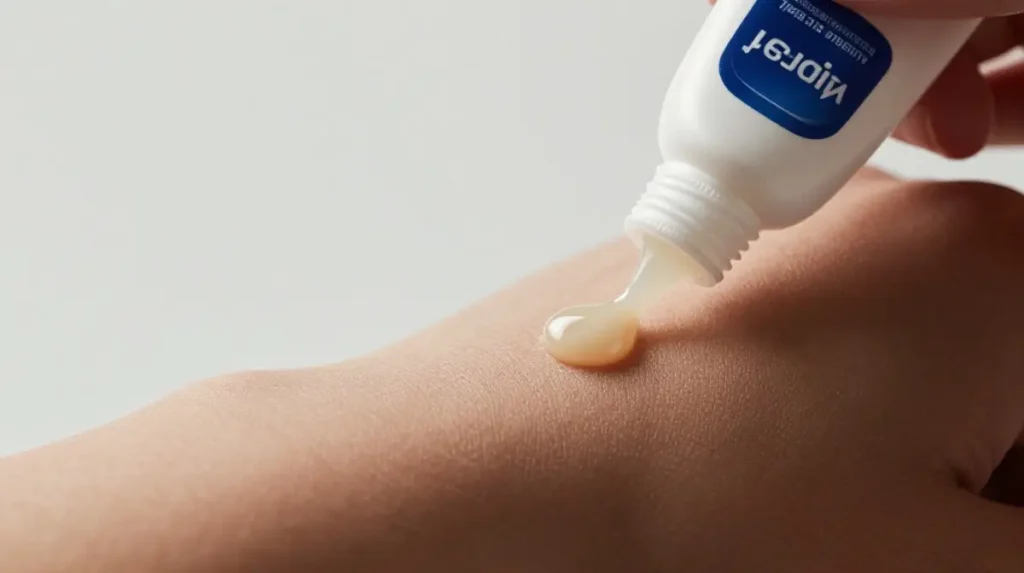
Understanding the appropriate and limited role of petroleum jelly products including Vaseline in the tattoo aftercare process is one of the most nuanced and frequently misunderstood tattoo aftercare instructions available, with many first-time tattoo recipients defaulting to heavy petroleum jelly application based on its general reputation as a wound care product without understanding the specific ways in which its occlusive properties can actually impede rather than support the specific requirements of tattoo healing when applied in excessive quantities or for extended periods. Petroleum jelly creates a completely occlusive barrier on the skin surface that prevents oxygen access to the healing tissue, traps heat and moisture beneath the product layer, and creates an anaerobic environment beneath the thick petroleum layer that can promote the growth of certain bacteria while also inhibiting the normal breathing and metabolic function of the healing cells. Some artists recommend very thin and minimal petroleum jelly application during the very first day of tattoo healing before transitioning to a lighter and more breathable unscented lotion for the remainder of the healing period, while others prefer to avoid petroleum-based products entirely in favor of purpose-formulated tattoo aftercare products or standard unscented moisturizing lotions throughout the complete healing timeline. Following your specific artist’s guidance on the petroleum jelly question rather than applying excessive quantities based on general wound care assumptions is the most reliable approach to this nuanced aspect of tattoo aftercare. This is one of the most practically important tattoo aftercare instructions for avoiding the specific healing complications that inappropriate product choice and excessive occlusive barrier application can cause during the active healing period.
Protect the Tattoo from Friction
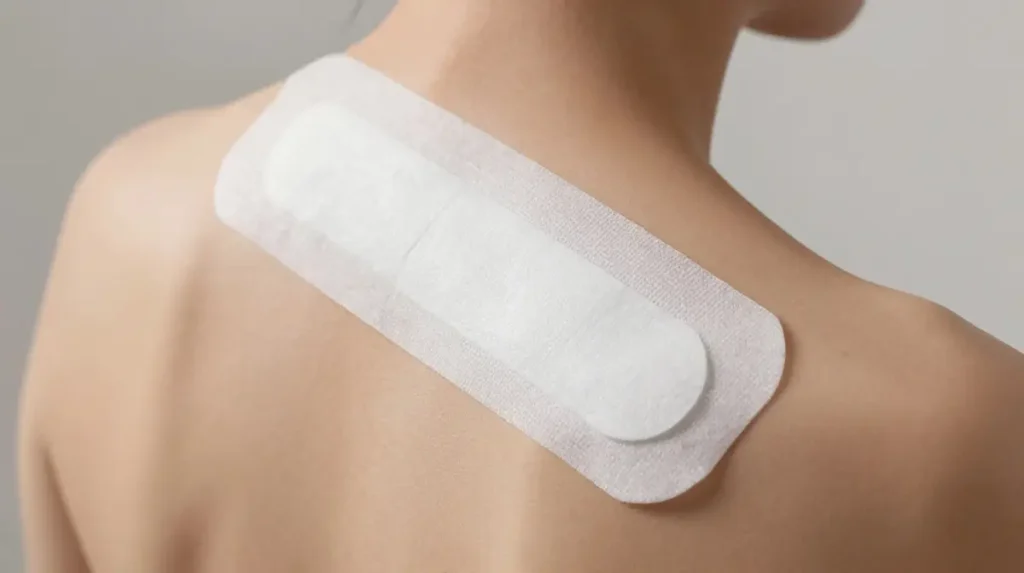
Actively protecting a healing tattoo from friction caused by clothing, accessories, seatbelts, bedding, and any other surfaces that repeatedly contact the tattooed area is one of the most continuously important and practically demanding tattoo aftercare instructions for the full duration of the active healing period, requiring consistent awareness of the tattoo’s location and the various sources of mechanical friction that the specific placement makes the healing skin vulnerable to in the context of normal daily life activities. Repeated friction against a healing tattoo causes a gradual mechanical abrasion of the healing skin surface that removes skin cells before they are naturally ready to shed, disrupts the organized structure of the healing epidermis, and can cause localized areas of color loss and line blurring that become permanently visible in the healed tattoo as patches of reduced pigment density and compromised design clarity. Tattoo placements in areas of naturally high mechanical contact including the inner arms, behind the knees, the lower back at waistband level, the feet, and the inner wrists are particularly vulnerable to friction-related healing complications and require the most diligent protective attention during the healing period. Applying a clean non-stick dressing or using specialized tattoo bandage products over the healing tattoo in situations where friction is unavoidable provides effective protection without compromising the healing environment beneath the covering. This is one of the most placement-specifically important tattoo aftercare instructions that requires individualized attention based on the specific body location of your tattoo and the specific daily life activities and clothing choices that create the greatest friction risk for your particular healing skin situation.
Avoid Blood Thinners During Healing
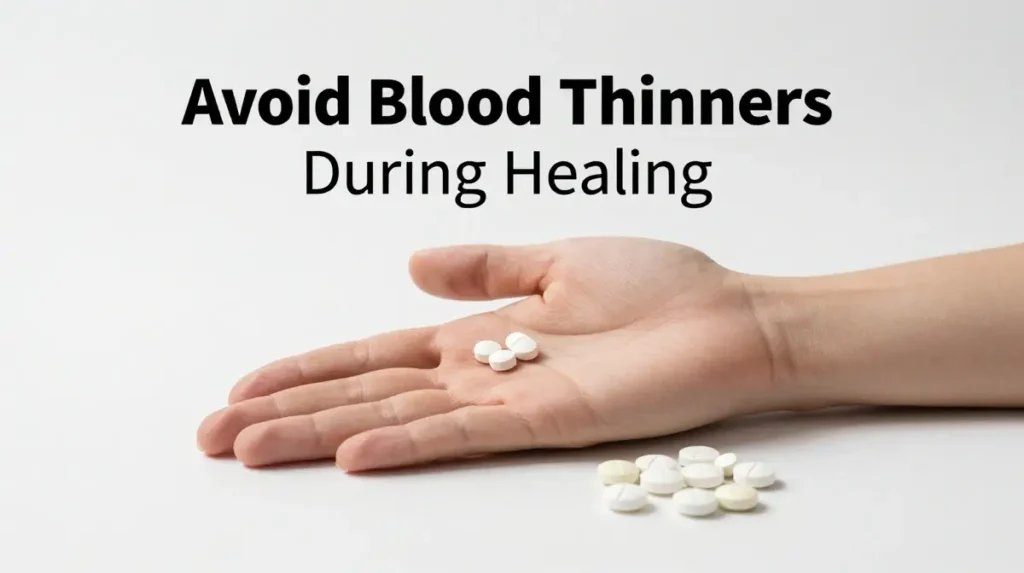
Being aware of the effects of blood-thinning substances and medications on the tattoo healing process is one of the most medically important tattoo aftercare instructions for individuals who regularly use aspirin, ibuprofen, certain supplements, or other substances with anticoagulant properties that can significantly affect the quality and rate of tattoo healing by increasing bleeding, plasma weeping, and the inflammatory response during the most acute phase of the tattoo wound’s recovery. Blood-thinning effects during the tattoo healing period increase the volume of fluid that weeps from the fresh wound, creating a consistently wet healing environment on the skin surface that promotes bacterial growth, causes the outer healing skin layers to become macerated, and can cause ink to migrate from the dermis in a manner that creates blurry lines and reduced color saturation in the healed tattoo design. Common blood-thinning substances that healing tattoo owners should be aware of include alcohol, aspirin, ibuprofen and other NSAIDs, high-dose vitamin E supplements, fish oil supplements, and certain herbal products including ginkgo biloba and ginger that have documented anticoagulant properties at doses commonly taken as dietary supplements. Individuals taking prescribed anticoagulant medications for medical conditions should discuss tattoo healing management with their healthcare provider rather than making independent decisions about medication adjustment during the healing period. This is one of the most medically nuanced tattoo aftercare instructions that requires individualized assessment based on personal health status and medication use but carries significant practical importance for the quality of the healing outcome across a broad range of clients.
Sleep with Clean Bedding

Ensuring that the bedding in contact with a healing tattoo is freshly laundered, clean, and soft is one of the most practically important and frequently neglected environmental tattoo aftercare instructions for minimizing the infection risk and mechanical irritation that contaminated or rough bedding fabric introduces to the vulnerable healing skin surface during the approximately eight hours of nightly sleep contact. Bedding accumulates significant quantities of skin cells, sweat residue, dust mite populations, and environmental bacteria over the course of normal use between laundering cycles, creating a level of microbial contamination that poses minimal risk to intact and healthy skin but represents a meaningful infection risk for the non-intact and compromised skin of a healing tattoo during the first one to two weeks of the recovery period. Sleeping with the tattooed area protected by a clean dedicated sheet or pillowcase that is laundered every one to two days during the active healing period, wearing clean loose clothing over the tattoo during sleep, or using a clean non-stick dressing over the healing area during the sleeping hours when direct bedding contact is most unavoidable all provide practical and effective strategies for managing the specific bedding-related infection and irritation risks of the overnight healing environment. Sleeping on the side of the body opposite to the tattoo placement, where the body geometry allows this, provides the most complete protection by eliminating direct contact between the healing tattoo and the bedding surface entirely during the sleeping hours. This is one of the most routinely overlooked but practically significant tattoo aftercare instructions for managing the specific and cumulative infection and irritation risks of the sleeping environment across the full duration of the active tattoo healing period.
Use Fragrance-Free Products Only
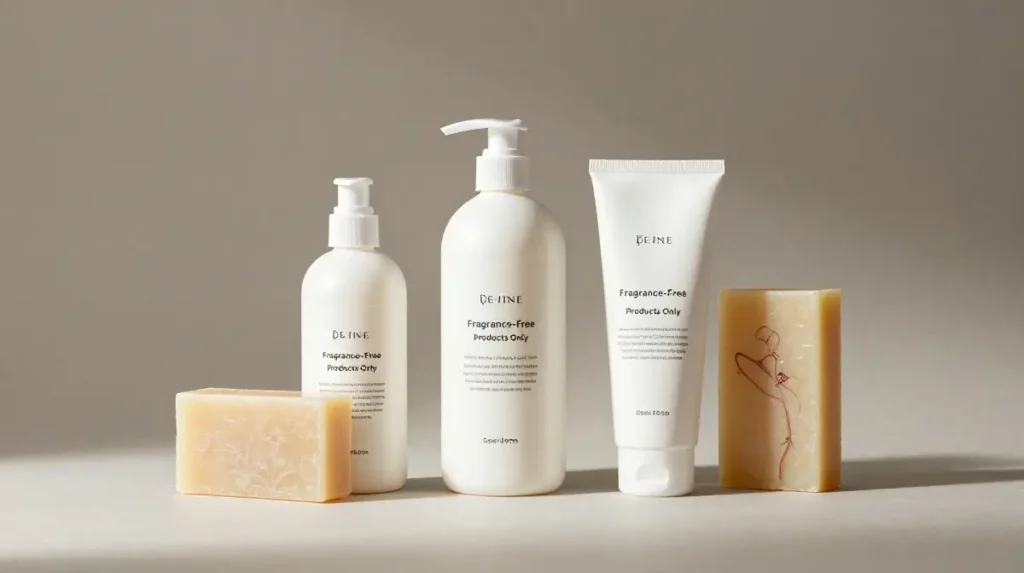
Using exclusively fragrance-free and chemical-additive-minimal products on and around a healing tattoo is one of the most broadly important and universally applicable tattoo aftercare instructions available, encompassing not only the specific moisturizer applied directly to the tattoo but also the soap used for washing, the laundry detergent used for bedding and clothing in contact with the healing area, and any other topical products that may come into contact with the compromised and sensitized skin of the healing tattoo wound during the recovery period. Fragrances and the complex chemical mixtures used to create them are among the most common causes of allergic contact dermatitis and chemical skin sensitization in personal care products, and their application to the non-intact and highly permeable skin of a healing tattoo wound creates a significantly elevated risk of allergic and irritant skin reactions that cause redness, swelling, itching, and potential scarring that can permanently compromise the quality and appearance of the healed tattoo. The sensitization risk is particularly significant during tattoo healing because the compromised skin barrier of the healing wound allows significantly greater percutaneous absorption of chemical substances including fragrance molecules than intact skin would normally permit, increasing the systemic exposure to potentially sensitizing substances beyond what would occur through normal cosmetic product use on healthy skin. Unscented products labeled specifically as fragrance-free rather than simply unscented or natural are the most reliably safe choices, as unscented products may still contain masking fragrances that have been added to neutralize other product odors without being listed as active fragrance ingredients. This is one of the most broadly applicable and skin-safety-important tattoo aftercare instructions for minimizing the risk of contact dermatitis and allergic reactions that can complicate healing and permanently damage tattoo quality.
Follow the Two to Four Week Healing Timeline
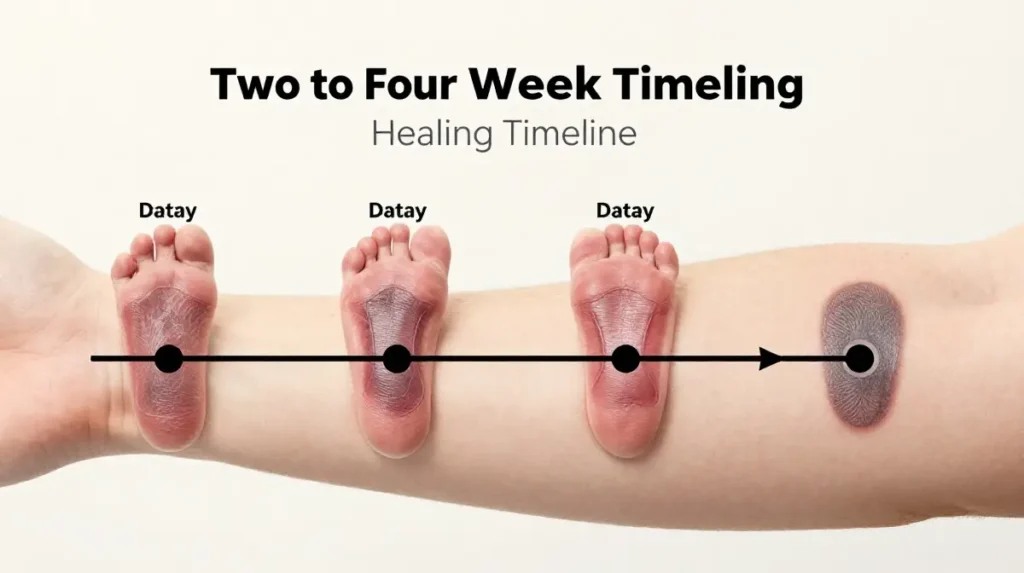
Understanding and respecting the full two to four week minimum timeline required for the primary surface healing of a new tattoo is one of the most important framework tattoo aftercare instructions for managing expectations, maintaining appropriate care practices throughout the complete healing period, and avoiding the premature discontinuation of aftercare routines that frequently occurs when the tattoo appears healed on its external surface before the deeper dermal healing processes have been completed. The healing timeline of a new tattoo proceeds through several distinct phases including the initial acute inflammatory phase of the first three to five days, the proliferative phase of days five through fourteen during which the epidermis regenerates over the healing dermis, and the remodeling phase of weeks two through six during which the deeper dermal tissue consolidates and the tattoo pigment settles into its permanent final position within the skin structure. The external appearance of the tattoo can be significantly misleading as a guide to healing completeness, with the surface appearing healed and normal while the deeper dermal tissue and the newly deposited tattoo pigment continue to stabilize and consolidate through the full remodeling phase of the healing timeline. Maintaining the fundamental aftercare practices of regular gentle washing, appropriate moisturizer application, sun avoidance, and water immersion avoidance through the full recommended healing timeline rather than discontinuing them prematurely based on visual assessment of surface healing is critically important for the best possible final outcome. This is one of the most timeline-specifically important tattoo aftercare instructions for ensuring that the care practices that support healing quality are maintained through the complete duration of the physiological processes they are intended to support and protect.
Do Not Apply Sunscreen on Unhealed Tattoo
Understanding that sunscreen should not be applied to an actively healing and unhealed tattoo despite being the most important long-term sun protection tool for healed tattoo maintenance is one of the most nuanced and frequently confused tattoo aftercare instructions that reconciles the critical importance of sun avoidance during healing with the impossibility of safely using the primary sun protection tool of sunscreen on compromised non-intact skin. Sunscreen formulations contain numerous chemical UV-filtering and physical-blocking ingredients, preservatives, emulsifiers, and other chemical components that create unacceptable risks of irritation, contact dermatitis, and ingredient absorption through the non-intact skin barrier of a healing tattoo wound in quantities that may cause both local skin reactions and potentially systemic effects during a period when the skin’s normal barrier function and chemical exclusion mechanisms are significantly compromised. During the active healing period when the tattoo is most vulnerable to sun damage, the primary and only safe form of sun protection is complete physical coverage of the tattooed area with clean loose clothing or remaining out of direct sunlight entirely, without attempting to manage UV exposure through chemical or physical sunscreen products that are formulated and safety-tested for application to intact and healthy skin rather than the compromised wound environment of a healing tattoo. Sunscreen application can be safely introduced only after the tattoo has fully healed and the skin surface has been completely restored to its normal intact and barrier-functional condition. This is one of the most practically clarifying tattoo aftercare instructions for resolving the common confusion about the specific timing and safety conditions for sunscreen introduction in the context of new tattoo sun protection management.
Recognize Signs of Infection
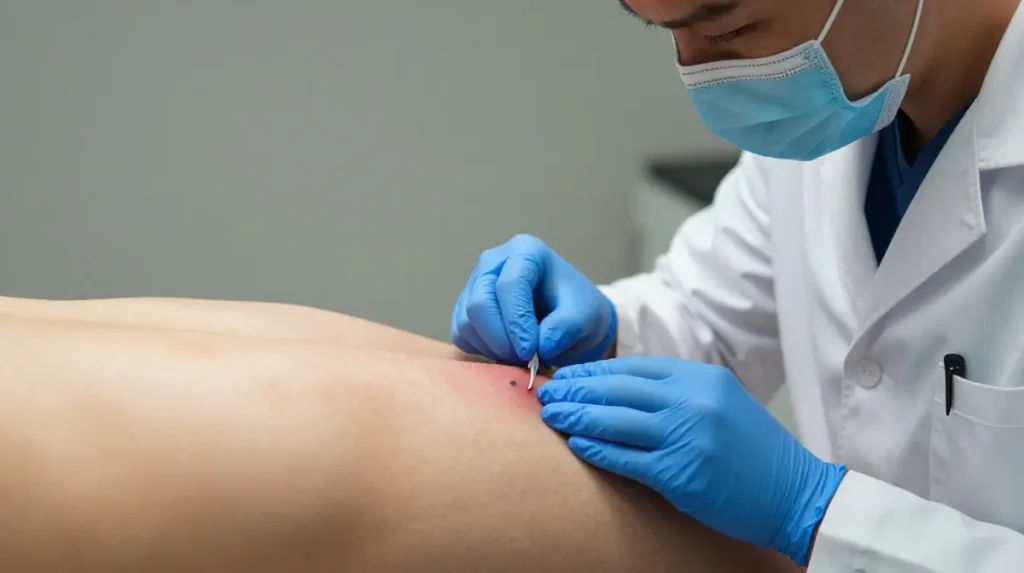
Knowing and recognizing the specific signs and symptoms of tattoo infection is one of the most medically important and potentially health-protective tattoo aftercare instructions available, equipping new tattoo owners with the clinical awareness to distinguish between the normal and expected inflammatory responses of healthy tattoo healing and the specific symptom patterns that indicate infection requiring prompt professional medical evaluation and treatment. Normal healing inflammatory responses including redness, mild swelling, warmth, and sensitivity that are concentrated immediately around the fresh tattoo wound and gradually reduce in intensity over the first three to five days of healing are expected and represent the body’s healthy and appropriate response to the tissue disruption of the tattooing process rather than signs of pathological infection. Infection warning signs that warrant prompt medical attention include redness and swelling that is expanding beyond the immediate tattoo area rather than resolving, increasing pain and tenderness after the first few days rather than gradually improving, yellow or green purulent discharge from the wound that differs from the normal clear to slightly yellowish plasma of healthy wound healing, a spreading red streaking pattern extending from the tattoo area along the lymphatic channels, fever and systemic illness symptoms developing in the days after tattooing, and any abnormal skin changes including blistering, significant crusting, or unusual texture changes beyond normal healing peeling. Seeking medical evaluation promptly when infection signs are present rather than attempting to manage potential infection through home remedies or increased aftercare frequency is critically important for both skin health and tattoo quality outcomes. This is one of the most medically important and potentially health-protecting tattoo aftercare instructions for ensuring that genuine complications are identified and professionally treated in their earliest and most treatable stages.
Avoid Tanning Beds
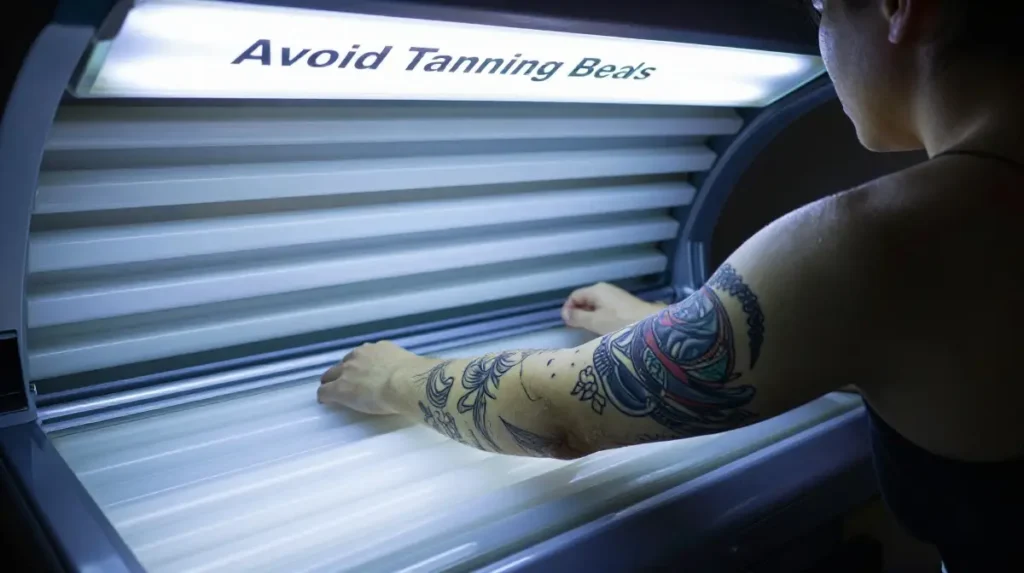
Avoiding tanning beds during and after the tattoo healing period is one of the most skin-health-important and tattoo-quality-protecting aftercare instructions available for individuals who maintain regular tanning bed use as part of their personal grooming and appearance management routines, as artificial UV exposure in tanning beds creates the same and potentially more intense photodegradation of tattoo pigments and sun damage to healing tattoo skin as natural sunlight exposure while also carrying the additional and independent skin cancer risk associated with UV-emitting tanning device use. Tanning bed UV exposure during the active healing phase of a new tattoo causes the same accelerated pigment fading, inflammatory skin damage, and potential post-inflammatory hyperpigmentation that natural sunlight produces in healing tattoo skin, with the concentrated and controlled UV delivery of the tanning bed potentially causing these harmful effects more rapidly and intensely than equivalent durations of natural outdoor sun exposure. After the tattoo has healed, continued tanning bed use accelerates the long-term fading and color degradation of the tattoo pigments significantly faster than natural aging alone, making the decision to avoid tanning beds one of the most impactful single behavioral changes available for preserving the vibrancy and visual quality of a tattoo investment across many years of the healed tattoo’s life. This is one of the most skin-health-convergent and tattoo-quality-protective aftercare instructions that serves both the immediate healing needs of the fresh tattoo and the long-term aesthetic goals of preserving the tattoo’s visual quality throughout the years and decades following the initial healing process.
Consider Second Skin Bandage
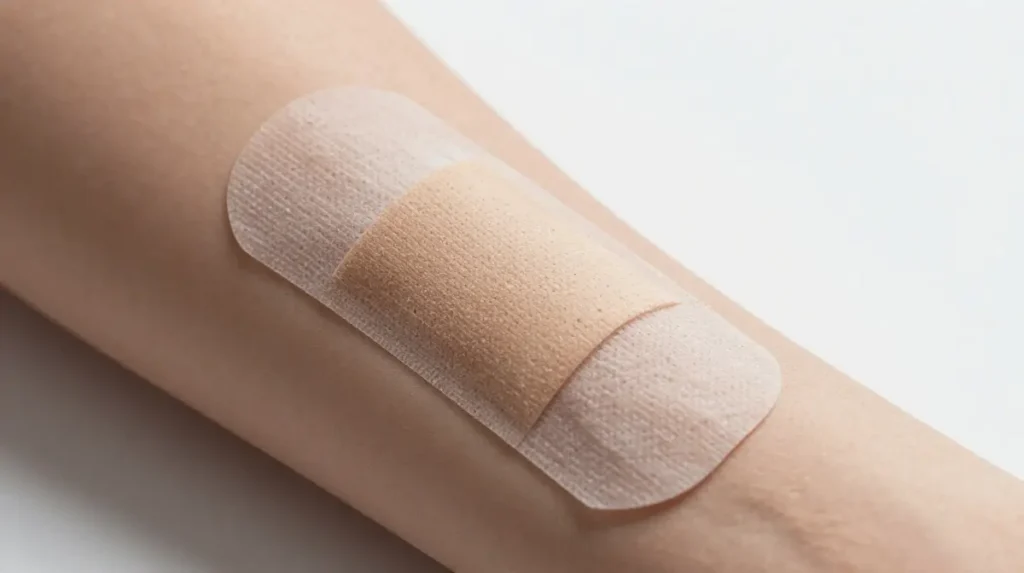
Understanding the benefits and proper use of second skin or saniderm adhesive bandage products is one of the most technologically current and practically beneficial tattoo aftercare instructions available for new tattoo recipients whose artists offer this modern wound management option as an alternative to traditional plastic wrap for the initial covering and management of the fresh tattoo wound during its most acute healing phase. Second skin bandages are transparent, flexible, breathable adhesive films that adhere directly over the fresh tattoo and create a waterproof and bacterial-barrier-providing covering that maintains a moist wound healing environment directly against the tattoo surface while allowing oxygen exchange and the visual monitoring of the healing wound without requiring the bandage to be removed for cleaning and moisturizer application during the period of coverage. The moist wound healing environment created by second skin bandage products has been clinically demonstrated to accelerate healing, reduce scabbing, minimize infection risk, and significantly improve the cosmetic quality of the healed wound surface compared to traditional dry wound healing approaches that allow the tattoo surface to air-dry between product applications. Second skin bandages are typically worn for three to five days on fresh tattoos before being carefully removed and the traditional cleaning and moisturizing aftercare routine commenced, with some artists recommending the application of a second fresh bandage for an additional period following the removal of the initial covering. This is one of the most beneficial and healing-outcome-improving tattoo aftercare instructions for individuals whose artist recommends second skin products and who want to take advantage of the significant healing quality improvements that this modern wound management approach consistently delivers.
Eat a Healthy Diet During Healing

Supporting the tattoo healing process through nutritional choices that provide the essential building blocks, cofactors, and anti-inflammatory compounds required for efficient and high-quality skin repair and regeneration is one of the most holistically important and frequently overlooked tattoo aftercare instructions available, drawing on the well-established relationship between nutritional status and wound healing capacity that is documented across clinical medical literature and increasingly recognized as an important modifiable factor in cosmetic procedure recovery outcomes. Adequate protein intake is particularly important during tattoo healing as the amino acid building blocks of protein are directly required for the synthesis of collagen and other structural proteins that form the scaffolding of new skin tissue during the proliferative and remodeling phases of wound healing, with insufficient dietary protein being associated with delayed healing, poor tissue quality, and increased infection risk across multiple categories of skin wounds in clinical research. Vitamins C and E, zinc, and omega-3 fatty acids all support skin healing through various and complementary biochemical mechanisms that reduce inflammatory damage, support collagen synthesis, provide antioxidant protection to healing cells, and maintain the cellular membrane integrity of the regenerating skin tissue. Avoiding excessive alcohol consumption during the healing period is important not only for its blood-thinning effects but also for its systemic dehydrating and nutritionally depleting effects on the body’s healing capacity and immune function. This is one of the most holistically health-supporting and healing-quality-improving tattoo aftercare instructions for individuals who want to support their tattoo healing outcome through the comprehensive nutritional foundation that efficient biological repair processes genuinely and fundamentally require.
Be Patient with Color and Line Clarity
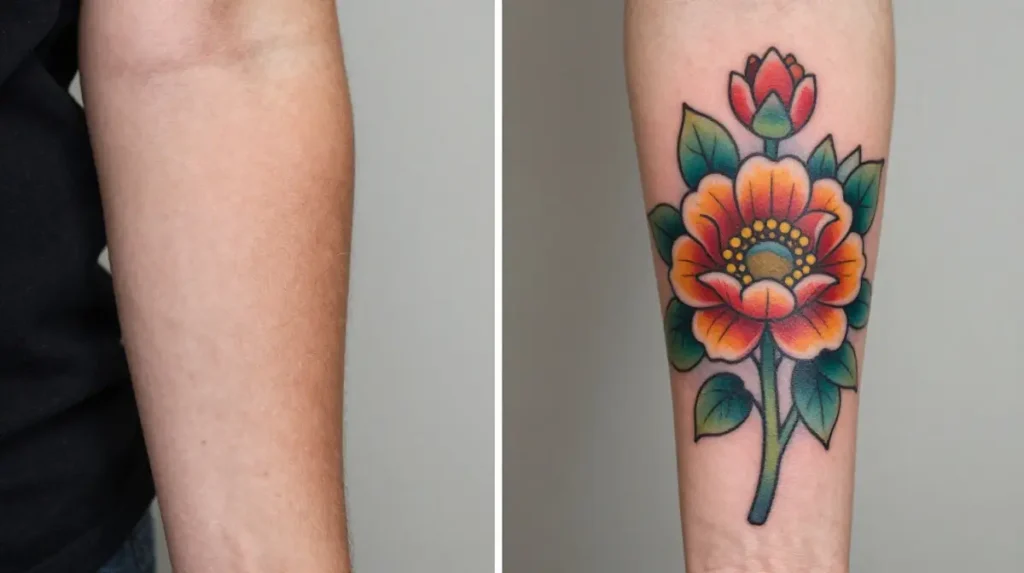
Understanding that the full and final visual quality of a new tattoo is not accurately assessable until the healing process has been completely finalized and maintaining patient and realistic expectations throughout the sometimes visually disappointing intermediate stages of healing is one of the most psychologically important and anxiety-reducing tattoo aftercare instructions available for new tattoo owners who may become concerned or distressed by the temporary visual changes that are completely normal and expected throughout the healing timeline. During the first two to three weeks of healing, the tattoo will appear duller, cloudier, more faded, and less visually precise than it appeared immediately after completion due to the overlying layers of healing skin cells, mild surface swelling, and the optical effects of the organized healing tissue structure that sits above the permanently deposited pigment in the dermis during the active repair and regeneration phase. The characteristic milky or veiled appearance that develops over many tattoos during the mid-healing phase when the fresh epidermal layer is regenerating over the healing dermis is frequently alarming to new tattoo owners who interpret it as permanent color loss but represents a completely normal and self-resolving aspect of the epidermal healing process that resolves completely as the new epidermal layer matures and becomes more transparent. Final color saturation, line clarity, and overall visual quality assessment should be deferred until at least four to six weeks after the tattooing session when the primary healing processes have concluded and the tattoo has settled into its permanent appearance. This is one of the most psychologically reassuring and practically important tattoo aftercare instructions for managing the very common and understandably concerning visual changes that occur during the completely normal progression of healthy tattoo healing.
Schedule a Touch-Up If Needed
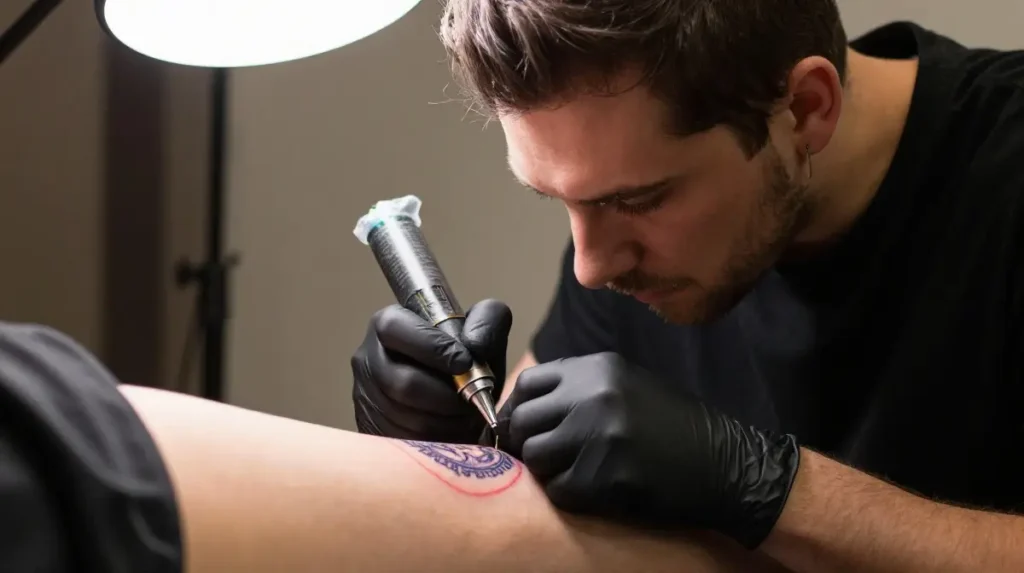
Knowing that touch-up appointments are a normal and expected part of the tattooing process for many designs and being prepared to schedule one if the healed tattoo reveals areas of color loss, line patching, or visual imperfection that require correction is one of the most practically helpful and outcome-optimizing tattoo aftercare instructions for ensuring that the final result of your tattoo investment meets the quality standard that both you and your artist intended and worked toward during the original tattooing session. Some degree of minor touch-up need is common in many tattoos particularly those placed in areas of high skin movement or friction, those using very fine line work that is more vulnerable to slight healing irregularity, and those that cover larger surface areas where even the most diligent aftercare cannot guarantee perfectly even healing across the entire tattooed surface. Most professional tattoo artists include a complimentary touch-up session in their tattooing service for clients who follow the prescribed aftercare instructions correctly but experience normal minor healing imperfections that require correction, making it important to discuss the touch-up policy with your artist before the initial session and to maintain open communication about the healing progress throughout the recovery period. Touch-up appointments should only be scheduled after the tattoo has been fully healed for a minimum of four to six weeks to allow the complete settling of the healed tattoo before assessing and addressing any areas requiring correction. This is one of the most practically outcome-improving and professionally appropriate tattoo aftercare instructions for ensuring that your finished tattoo achieves its maximum quality potential through the proper and professionally managed completion of the full tattooing and healing process.
Conclusion
Proper tattoo aftercare is the essential and non-negotiable complement to excellent tattoo artistry, and the 22 tattoo aftercare instructions explored in this article represent the most comprehensive and practically actionable guidance available for protecting your new tattoo, supporting your skin through its healing journey, and ensuring the permanent and beautiful outcome that both you and your artist intended from the moment the first line was laid down. The investment of care, attention, and daily consistency that excellent tattoo aftercare requires is modest relative to the permanent and life-enhancing reward of a beautifully healed tattoo that retains its vibrancy, clarity, and personal meaning for decades of daily wear. Follow your artist’s specific instructions first and always, treat the general aftercare guidance in this article as a comprehensive and well-researched supplementary resource for the many questions that arise between artist appointments, and approach the healing process with the patience, consistency, and genuine care that your new tattoo richly deserves and will generously reward.
You can may also like this: 22 Wrist Tattoos for Women Ideas You’ll Love to Try
FAQs
How long does a tattoo take to fully heal
The surface of a tattoo typically heals within two to four weeks, but complete deeper dermal healing and final pigment settling takes up to three to six months. Aftercare routines should be maintained through the full surface healing period while sun protection should continue permanently throughout the tattoo’s entire life.
What is the best moisturizer for tattoo aftercare
Fragrance-free unscented lotions including CeraVe, Lubriderm, and Eucerin are widely recommended. Dedicated tattoo aftercare products including Hustle Butter and Aquaphor are also popular options. The most important qualities are fragrance-free formulation, absence of alcohol and harsh chemicals, and a lightweight texture that does not clog pores.
Can I shower with a new tattoo
Yes, showering is safe and necessary during tattoo healing but should be kept brief. Keep the tattoo out of the direct water stream as much as possible, use cool to lukewarm water, avoid submerging the tattoo, and pat dry gently with a clean paper towel after showering before applying moisturizer.
When can I go swimming after getting a tattoo
Swimming in pools, oceans, lakes, and hot tubs should be avoided for a minimum of two to four weeks after getting a tattoo or until the surface healing is fully complete. Water immersion introduces infection risk from waterborne bacteria and causes ink migration and healing disruption that permanently compromises tattoo quality.
How do I know if my tattoo is infected
Signs of tattoo infection requiring medical attention include expanding rather than resolving redness and swelling, increasing pain after the first few days, yellow or green purulent discharge, red streaking extending from the tattoo, fever, and significant blistering or unusual skin texture changes. Normal healing involves mild localized redness, swelling, and clear plasma weeping that progressively reduces over the first week.
1 Comment