
Getting a tattoo is permanent. That single fact makes every decision before, during and after your appointment matter more than most people realize. First-timers often walk into studios underprepared and walk out with results they didn’t expect. Tattoo tips for beginners exist precisely because the learning curve is steep and the stakes are literally skin-deep.
The US tattoo industry generates over $1.8 billion annually according to IBISWorld. Roughly 30 percent of Americans have at least one tattoo. Yet most beginners still receive minimal guidance before their first session. This guide fixes that gap entirely.
The Real Reason First Tattoos Go Wrong and How to Avoid Every Mistake

First tattoos fail for predictable reasons. Impulse decisions. Poor artist selection. Zero research into placement or design longevity. What should I know before getting a tattoo is the most searched tattoo question in the US — and the answer has nothing to do with pain tolerance. It has everything to do with preparation, patience and informed decision-making before you book anything.
The biggest single error is choosing an artist based on price rather than portfolio. A $60 tattoo from an unvetted artist costs far more to fix or remove later. Tattoo regret prevention tips consistently point to one root cause: rushing the process. Take three weeks minimum to research your design, your artist and your placement before committing. That deliberate pause separates great first tattoos from regrettable ones permanently.
How to Find a Tattoo Artist Whose Style Actually Matches Your Vision
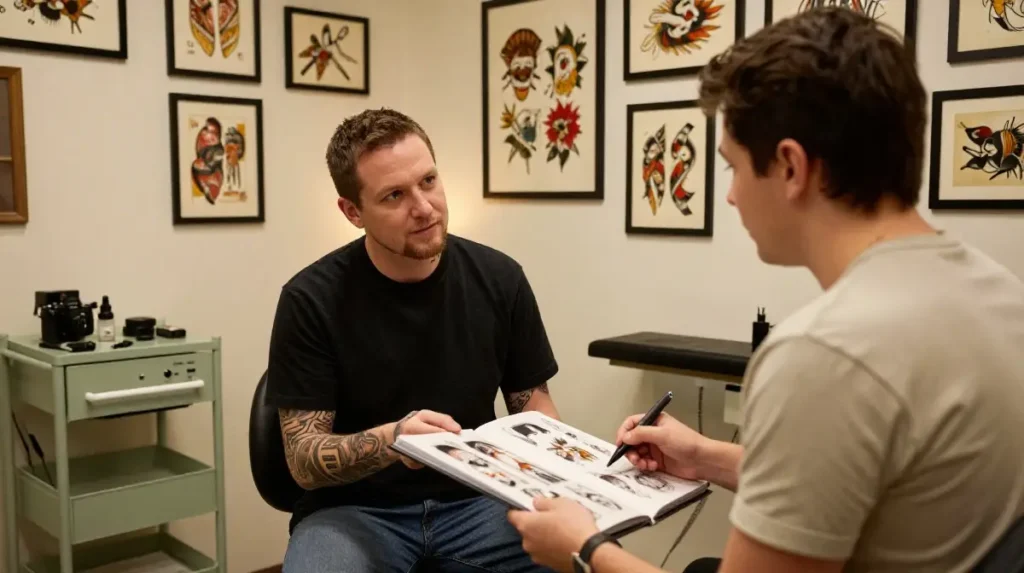
Every tattoo artist specializes in something. Realism, fine line, traditional, blackwork, neo-traditional — these aren’t interchangeable skill sets. Booking a realism specialist for a delicate fine line piece is like hiring a muralist to paint watercolors. The result won’t match your vision regardless of the artist’s technical skill level.
Start your search on Instagram tattoo artist search using style-specific hashtags like #finelinetattoo or #blackworktattoo. Cross-reference findings on Yelp tattoo studio reviews and Google Maps tattoo shop search for location, hygiene ratings and verified client feedback. Reddit tattoo community advice threads offer brutally honest assessments of local artists that polished studio websites never will. How to choose the right tattoo artist means vetting three to five candidates minimum before scheduling a single consultation anywhere.
Tattoo Tips for Beginners: What to Do in the 48 Hours Before Your Appointment
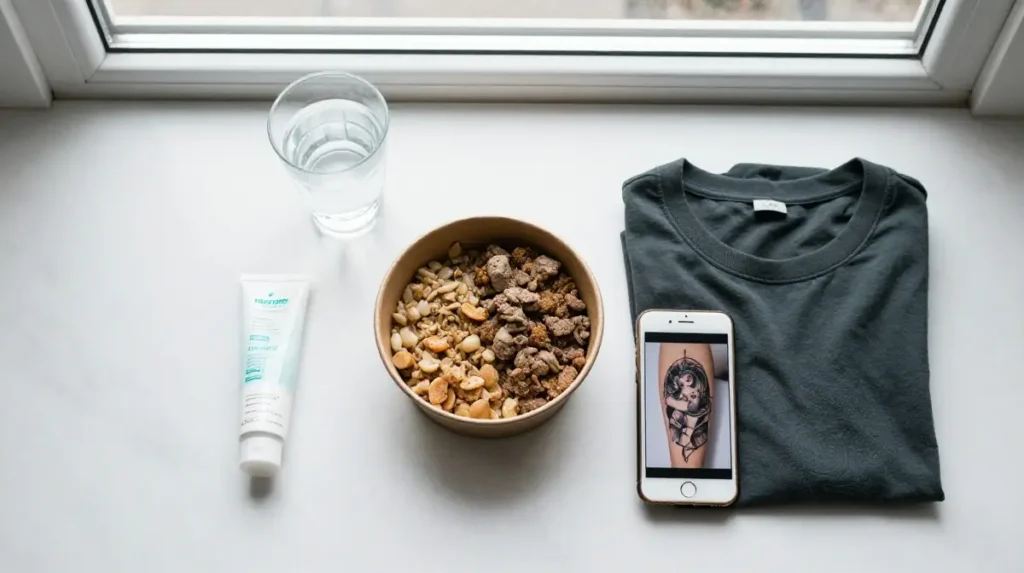
The 48 hours before your appointment directly affect how your skin accepts ink. Hydrated skin tattooed more evenly and heals faster than dry dehydrated skin. Tattoo skin preparation tips recommend drinking at least 64 ounces of water daily for two days prior and applying unscented moisturizer to the target area morning and night without exception.
How to prepare for your first tattoo appointment also means avoiding alcohol for 24 hours beforehand — alcohol thins blood and causes excessive bleeding that compromises ink saturation during the session. Skip aspirin and ibuprofen for the same reason. Tattoo appointment preparation includes getting a full night’s sleep, eating a protein-rich meal two hours before your session and wearing loose comfortable clothing that provides easy access to the tattoo area without friction.
The Body Placement Guide That Saves Beginners from Lifelong Regret

Placement affects everything — pain level, visibility, longevity and how the design ages over decades. Tattoo placement for beginners should prioritize areas with stable skin, minimal sun exposure and low friction. The outer forearm, upper arm, calf and shoulder blade consistently deliver the best results for first-timers across all skin types and body compositions.
Body placement for tattoo visibility and career considerations matter too. A 2022 study published in the Journal of Vocational Behavior found that visible neck and hand tattoos still negatively influence hiring decisions in 47 percent of US corporate environments. Skin stretch effect on tattoo is another critical factor — areas with significant weight fluctuation like the stomach and inner arm distort designs over time. Choose placement deliberately and your tattoo ages gracefully for decades ahead.
| Body Area | Pain Level | Longevity | Beginner Friendly |
| Outer forearm | Low | Excellent | Yes |
| Upper arm | Low-Medium | Excellent | Yes |
| Calf | Medium | Very Good | Yes |
| Shoulder blade | Low-Medium | Excellent | Yes |
| Ribs | Very High | Good | No |
| Foot | High | Poor | No |
| Inner wrist | Medium | Good | Moderate |
| Neck | Extreme | Good | No |
Pain Levels Ranked Honestly So You Know Exactly What You Are Walking Into
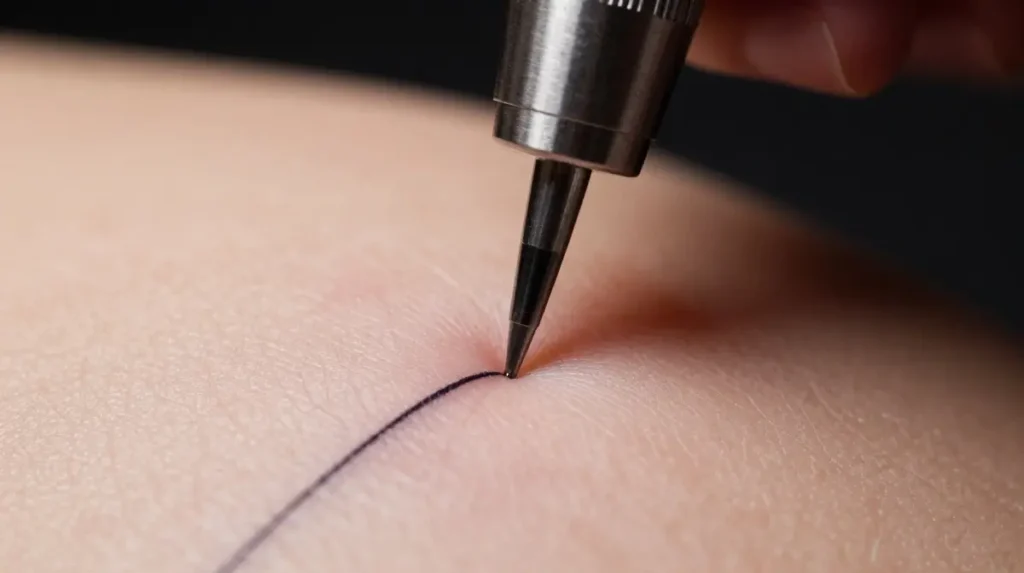
Pain is subjective but anatomy is not. Bones close to the skin surface, thin skin over nerve clusters and areas with minimal fat padding consistently produce the most intense sensation during tattooing. Tattoo pain levels for beginners rank the ribs, spine, sternum, inner elbow and ankle as the most challenging locations for anyone without prior tattoo experience.
you may also like this: 18 Flower Tattoo Placement: Inspiring Ideas for Every Style
Tattoo pain management strategies that actually work include controlled breathing techniques used in athletic performance training, staying well-fed and hydrated before the session and taking scheduled breaks during longer sessions rather than pushing through discomfort. How to sit still during a tattoo session gets easier when you communicate openly with your artist — experienced artists read client body language and adjust pacing accordingly. Tensing your muscles increases perceived pain dramatically so consciously relaxing the tattooed area makes a measurable difference throughout the session.
How to Choose Your First Design Without Regretting It Five Years From Now

Design choice is where most beginners overthink or completely underthink. Both extremes produce regret. Choosing first tattoo design requires balancing personal meaning, aesthetic appeal and technical feasibility for your chosen placement. A design that looks stunning on Pinterest may not translate well at the scale and skin location you’re considering.
Pinterest tattoo design inspiration boards are excellent starting points but treat them as mood references not blueprints. Tattoo design research process should include saving 15 to 20 reference images and identifying the consistent visual elements you’re drawn to across them — line weight, shading style, subject matter, color palette. Share that collection with your artist during the tattoo consultation process and let them develop a custom interpretation rather than asking for an exact copy of someone else’s tattoo. Custom tattoo design ideas always age better than copied flash work because they’re built around your specific body and vision.
What to Wear Eat and Bring to Make Your First Session Go Smoothly

What to wear to a tattoo appointment is genuinely important and consistently underestimated by first-timers. Wear clothing you don’t mind potentially getting ink on and that provides clear unobstructed access to the tattoo site. Getting a shoulder tattoo in a fitted turtleneck creates unnecessary complications for both you and your artist during the session.
What to eat before getting a tattoo should be a full balanced meal two hours prior — protein, complex carbohydrates and healthy fat stabilize blood sugar and reduce lightheadedness during the tattooing process. Bring snacks for longer sessions, a water bottle, a phone charger and headphones for distraction. Tattoo studio etiquette also requires arriving on time, showering beforehand and tipping your artist 15 to 20 percent of the total cost — that standard professional courtesy is deeply valued in the tattooing community across the United States.
Tattoo Tips for Beginners on Healing: The First Two Weeks Decide Everything
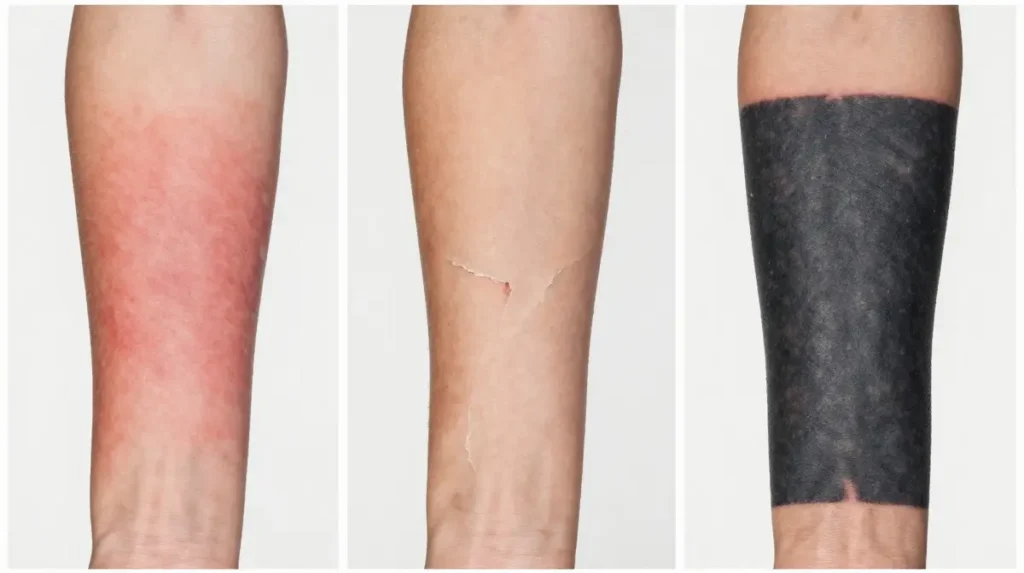
The healing phase determines whether your tattoo looks sharp and vibrant for decades or fades, blurs and loses definition within a few years. Tattoo healing process beginners experience falls into three distinct phases: the weeping and raw phase in days one through three, the itching and peeling phase in days four through fourteen and the settling phase in weeks three through six.
Tattoo plasma weeping normal occurrence during day one is the body’s natural inflammatory response — clear or pale yellow fluid seeping from the tattoo surface is expected and healthy. How to take care of a new tattoo during this phase means washing gently with unscented antibacterial soap twice daily, patting dry with clean paper towels and applying a thin layer of fragrance-free moisturizer. What happens if you dont moisturize a tattoo during healing is significant — the skin cracks, scabs form prematurely and ink pulls out of the dermis unevenly causing patchy permanent color loss.
Saniderm Hustle Butter and H2Ocean: Which Aftercare Products Actually Work
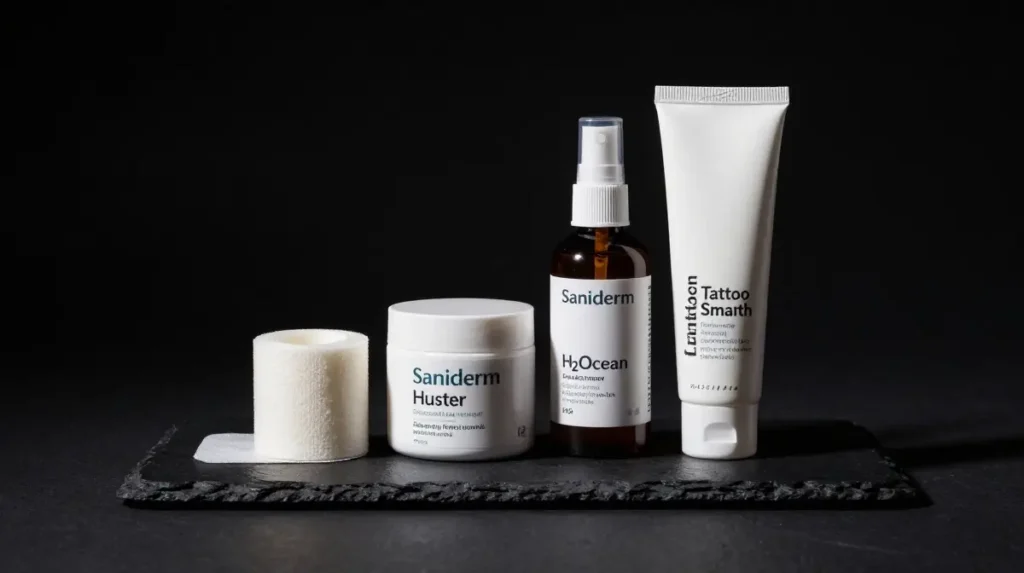
The aftercare product market overwhelms first-timers with options. Three products dominate professional recommendations across US tattoo studios consistently. Saniderm healing bandage tattoo application — a medical-grade adhesive film worn for 24 to 72 hours post-session — creates a moist healing environment that dramatically reduces scabbing and protects against bacterial contamination during the most vulnerable healing window.
Hustle Butter tattoo aftercare is a coconut and mango butter based balm that professional artists recommend widely for the peeling phase — it’s fragrance-free, vegan and absorbs without clogging pores. H2Ocean tattoo aftercare spray provides a sterile saline solution ideal for cleaning fresh tattoos without the friction of cloth wiping. Tattoo Smart aftercare brand rounds out the professional tier with enzyme-based formulas designed to accelerate cell turnover. Avoid petroleum-based products like Vaseline — they suffocate healing skin and trap bacteria against open dermis tissue causing preventable infections.
| Product | Type | Phase | Price Range |
| Saniderm | Healing film | Days 1–3 | $12–$20 |
| Hustle Butter | Balm | Days 4–14 | $15–$22 |
| H2Ocean Spray | Saline spray | Days 1–14 | $10–$16 |
| Tattoo Smart | Enzyme lotion | Days 7–21 | $18–$25 |
The Truth About Tattoo Pain Management and What Numbing Creams Really Do
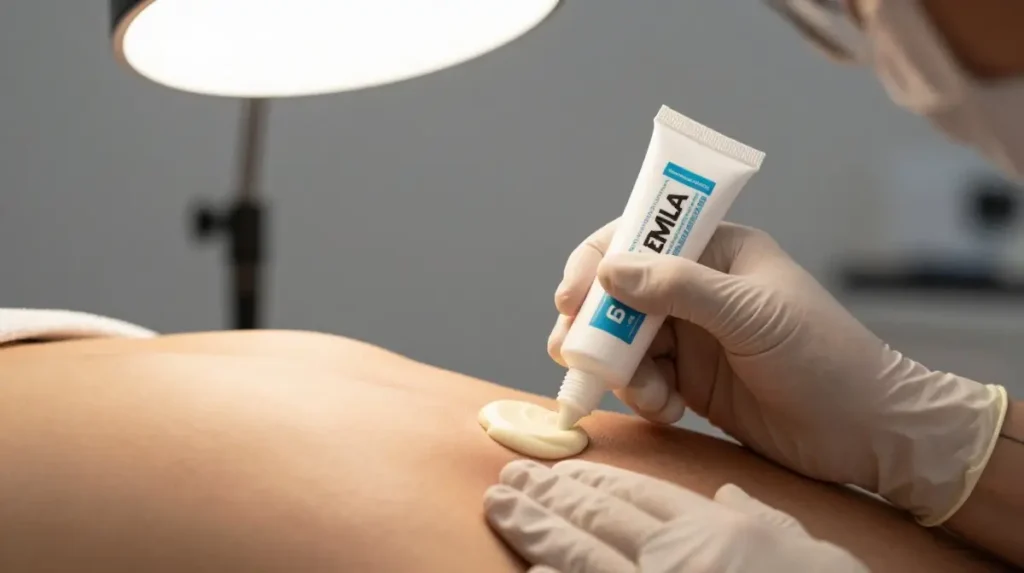
Tattoo numbing cream beginners reach for most commonly is Tattoo numbing cream EMLA — a lidocaine and prilocaine compound that temporarily blocks nerve signal transmission in the upper skin layers. Applied 45 to 60 minutes before the session under plastic wrap occlusion it reduces surface pain significantly for the first 60 to 90 minutes of tattooing.
However, what numbing cream works best for tattoos depends on your tattoo location and session duration. Numbing cream wears off mid-session on longer pieces and some artists report that it slightly changes skin texture making precise line work more difficult. Tattoo pain management through breathing and mental distraction techniques remains the most universally endorsed approach by professional artists. Many experienced tattooers across the US suggest saving numbing cream for genuinely high-pain placements like the ribs, spine or kneecap rather than applying it universally regardless of placement sensitivity.
How Skin Type Tone and Texture Silently Affect Every Tattoo You Will Ever Get
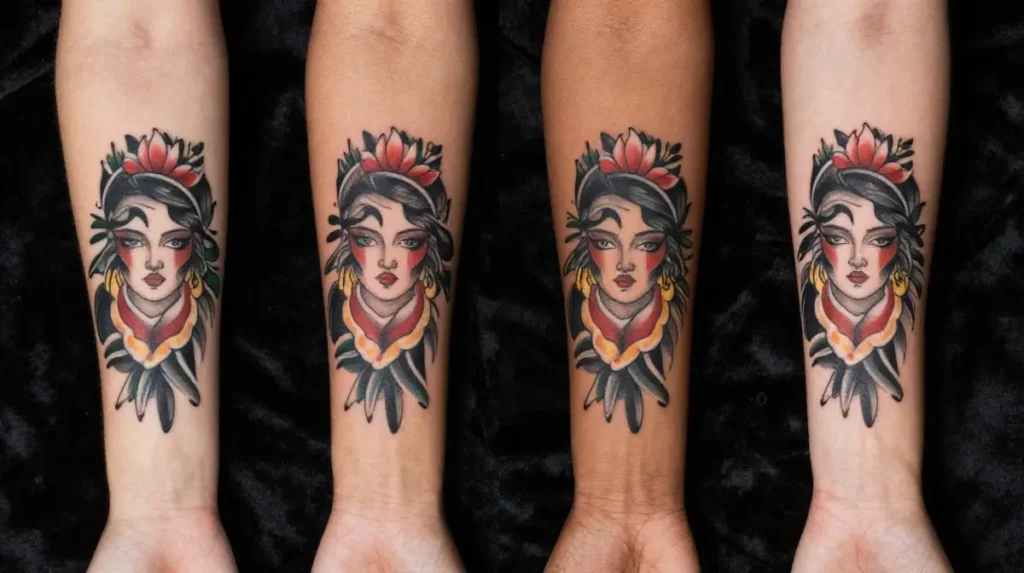
Tattoo ink absorption by skin varies significantly across different skin types, tones and conditions. Oily skin tends to push ink slightly during healing causing fine lines to spread marginally. Dry skin absorbs ink unevenly without proper pre-session hydration. Tattoo longevity skin type factor means that clients with combination or normal skin consistently achieve the sharpest and most durable results across all tattoo styles.
Hyperpigmentation around tattoo area is a genuine concern for deeper skin tones — Fitzpatrick scale types IV through VI — where the trauma of tattooing can stimulate excess melanin production around the tattoo border. Keloid risk before tattooing should be honestly assessed by anyone with a personal or family history of keloid scarring since tattooing directly stimulates the same fibroblast activity that produces keloids. Tattoo color vs black and grey visibility also differs dramatically across skin tones — deep pigment saturations like black, dark blue and deep red hold significantly better on darker complexions than pastel or light watercolor tones.
Tattoo Blowout Fading and Ink Rejection: Warning Signs Every Beginner Must Know
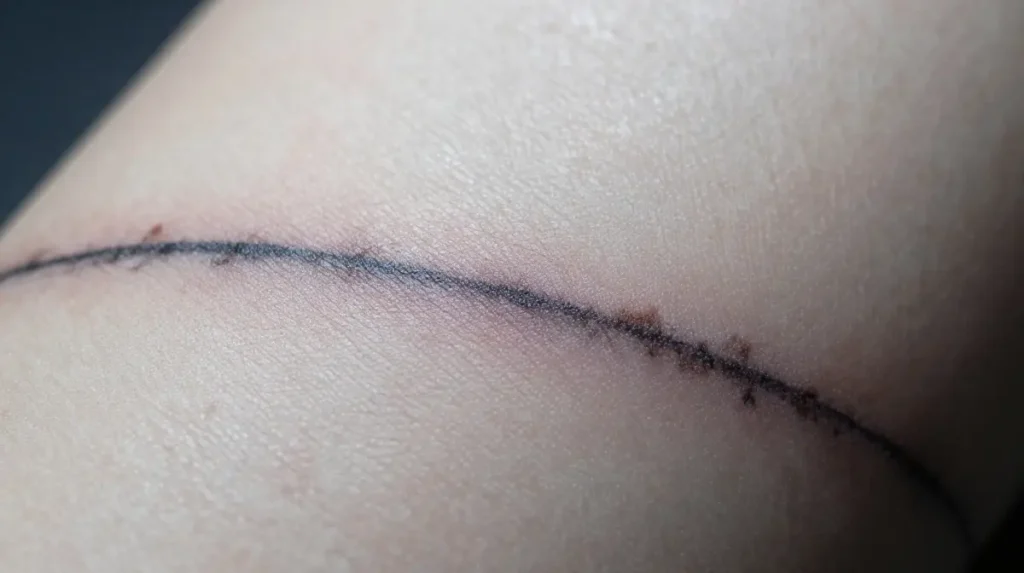
Tattoo blowout causes and prevention is one of the most critical topics in tattoo tips for beginners education. Blowout occurs when the needle penetrates beyond the dermis layer tattooing explanation zone into the subcutaneous fat layer beneath — ink spreads laterally through fatty tissue creating a blurred shadow around lines and solid fills. It’s permanent and extremely difficult to correct without laser intervention.
Tattoo ink rejection signs include persistent redness beyond week two, raised bumps along tattoo lines, unusual itching and small pustules forming directly on the ink. Tattoo immune system response to certain pigments — particularly red and yellow — drives most ink rejection cases. How to avoid tattoo blowout comes down to choosing an experienced artist who understands tattoo needle depth for beginners — needles must penetrate precisely 1 to 2 millimeters into the dermis consistently. Tattoo scabbing versus peeling difference matters here too — normal peeling is thin and translucent while abnormal thick colored scabbing indicates ink pulling out and warrants contact with your artist immediately.
Fine Line Watercolor and Blackwork: Which Style Suits a First Timer Best
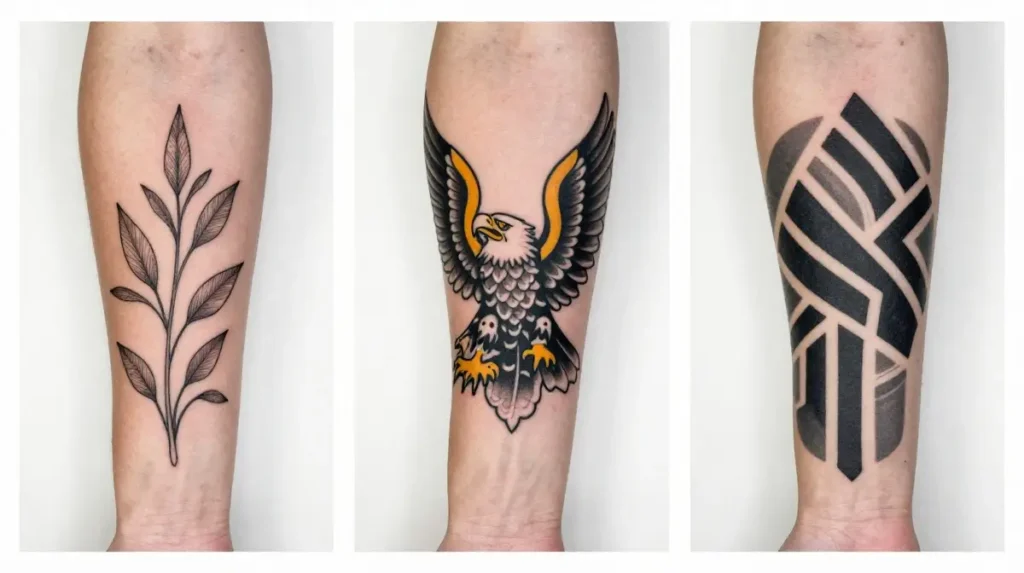
Best tattoo styles for beginners from a technical durability standpoint are traditional, neo-traditional and solid blackwork. These styles use bold lines and heavy ink saturation that age predictably and remain legible for decades without requiring frequent touch-ups. Tattoo saturation and color packing in these styles creates a visual robustness that forgives the minor imperfections of skin texture and movement over time.
Fine line tattoo for beginners carries genuine risks that studios don’t always disclose upfront. Ultra-thin lines — under 0.5mm — spread slightly as skin ages and loses elasticity creating a blurred effect within five to ten years. Watercolor tattoo beginner guide discussions on Reddit tattoo community advice consistently warn that watercolor styles fade fastest of all because they rely on diluted ink with minimal black outline anchoring. Tattoo fading timeline prediction for a well-executed traditional piece runs 10 to 15 years before a touch-up is needed while a delicate watercolor piece may require refreshing within three to five years of application.
| Style | Durability | Pain Level | Best For |
| Traditional | Excellent | Medium | All beginners |
| Neo-Traditional | Excellent | Medium | All beginners |
| Blackwork | Very Good | Medium-High | Minimalist fans |
| Fine Line | Moderate | Low-Medium | Detail lovers |
| Watercolor | Poor-Moderate | Low-Medium | Color lovers |
| Realism | Good | Medium-High | Advanced designs |
How to Read a Tattoo Artist Portfolio Before You Book a Single Appointment
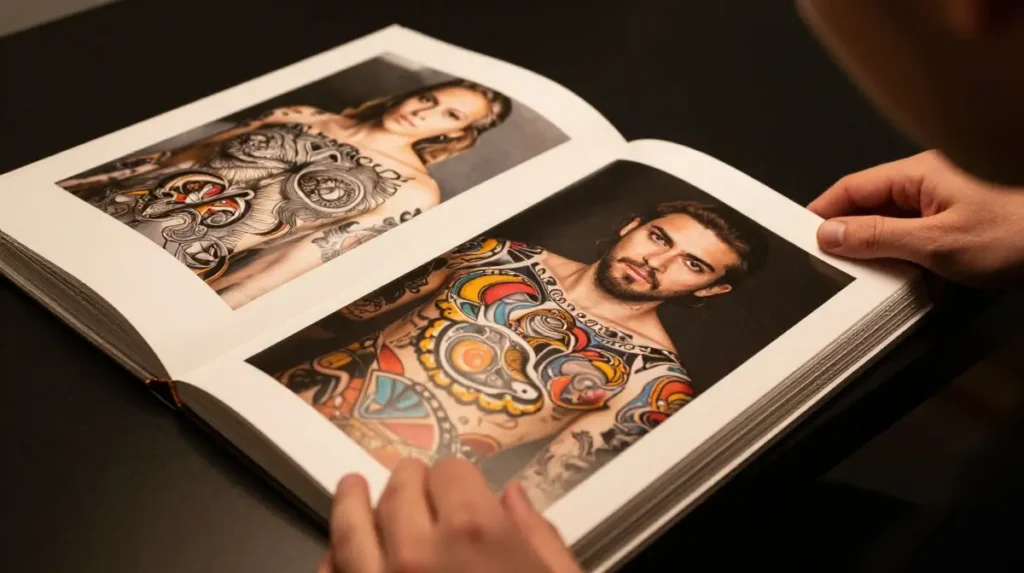
Tattoo artist portfolio review is a skill most first-timers don’t know they need. A portfolio tells you far more than whether the artist produces pretty pictures. It reveals their consistency across multiple healed examples, their linework precision, their understanding of negative space and their ability to adapt designs to different body placements and skin tones.
Always request healed photos specifically — fresh tattoo photos look dramatically better than healed results on every artist’s work. Instagram tattoo artist search portfolios almost always feature fresh work because healed photos are less visually striking. TikTok tattoo artist recommendations and YouTube tattoo tutorial channels give you extended time-lapse footage of an artist’s actual process revealing speed, needle control and client interaction style. Inked Magazine tattoo guide features vetted artists with documented professional standards and National Tattoo Association standards membership signals commitment to safety, hygiene and ongoing education within the profession.
The Budget Breakdown Nobody Gives You Before Your First Tattoo Session
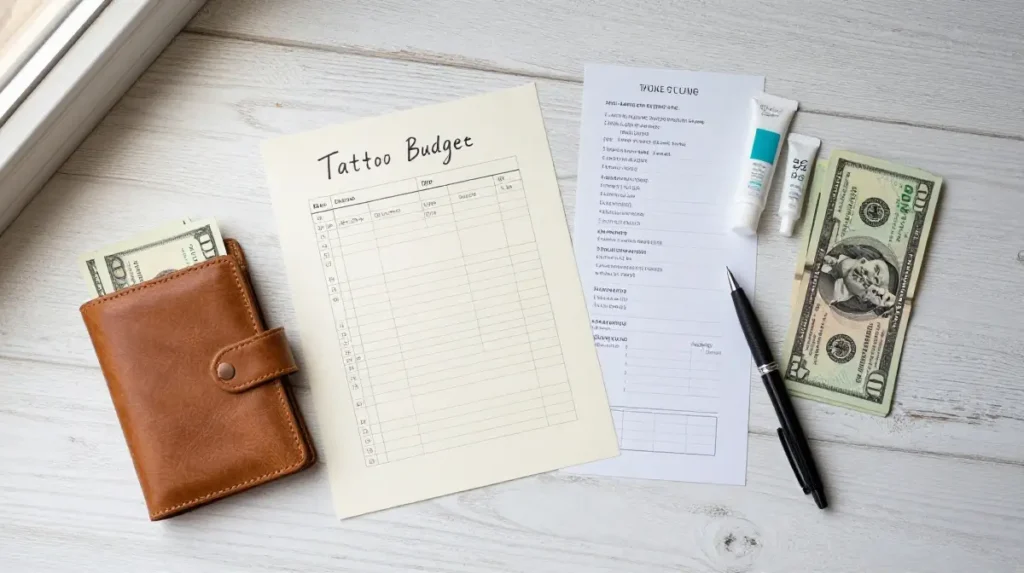
Tattoo cost guide beginners need covers four distinct expense categories: the tattoo itself, the tip, the aftercare products and the potential touch-up session six to eight weeks post-healing. Most people budget only for the first item and are surprised by the rest. Tattoo budget planning that accounts for all four categories prevents financial stress and ensures you don’t compromise on aftercare quality.
How much should a beginner tattoo cost in the US in 2024 ranges from $100 to $300 for a small to medium simple design at a reputable studio. Most professional artists charge a shop minimum of $80 to $150 regardless of tattoo size. Tattoo ink toxicity concerns arise most frequently with heavily discounted studios using unregulated imported inks — paying professional rates at an established studio dramatically reduces this risk. Budget an additional $40 to $60 for quality aftercare products and 15 to 20 percent tip calculated on the full tattoo price as standard professional practice across the US industry.
| Expense Category | Estimated Cost | Notes |
| Tattoo (small) | $100–$200 | Depends on complexity |
| Tattoo (medium) | $200–$500 | Hourly rate applies |
| Artist tip | 15–20% of total | Standard practice |
| Aftercare products | $40–$60 | One-time purchase |
| Touch-up session | $0–$100 | Many artists offer free |
Long Term Tattoo Care Habits That Keep New Ink Looking Fresh for Decades

Tattoo longevity and fading comes down to two enemies: UV radiation and skin dehydration. Tattoo sun exposure damage is the single most preventable cause of premature fading in healed tattoos. UV rays break down pigment molecules in the dermis at a cellular level — a process that accelerates dramatically without SPF 50 broad-spectrum sunscreen applied to exposed tattoos year-round without exception.
Touch up tattoo after healing assessment at the six to eight week mark catches any areas where ink didn’t settle evenly during healing — most reputable artists offer one complimentary touch-up session within this window. Tattoo lifestyle and identity as a long-term commitment means building daily habits around skin hydration and sun protection. Coffee smoothie magnesium benefits aside, diet quality genuinely affects skin health and therefore tattoo longevity — omega-3 rich foods support skin barrier function while chronic dehydration accelerates dermis degradation and color fading. Treat your tattooed skin as premium real estate and it rewards you with decades of sharp vibrant artwork.
FAQ Section
Q1. How do I prepare my skin before getting a tattoo for the first time? Hydrate aggressively for 48 hours before your appointment — drink at least 64 ounces of water daily. Apply unscented moisturizer to the target area twice daily for three days prior. Avoid alcohol and blood-thinning medications for 24 hours before your session. Arrive with clean freshly washed skin and no lotions or perfumes applied to the tattoo site on appointment day.
Q2. What is the least painful spot for a beginner to get tattooed?
The outer forearm consistently ranks as the least painful tattoo location for first-timers. It has dense muscle padding, minimal nerve concentration and stable flat skin that holds ink evenly. The outer upper arm and calf are close seconds. All three locations offer excellent long-term durability and are genuinely beginner-friendly across most body types.
Q3. How long does a beginner tattoo typically take to fully heal?
Surface healing — where the skin appears normal — takes two to four weeks depending on size, placement and aftercare quality. Full dermal healing where the ink fully settles into the dermis layer takes three to six months. You won’t see the true final appearance of your tattoo until that deeper healing phase completes entirely.
Q4. Should beginners start with a small or simple tattoo design?
Starting with a small simple design is strongly recommended for first-timers. It limits session duration and therefore pain exposure. It allows you to evaluate your healing response and skin behavior before committing to larger more complex work. Small tattoos also give you the opportunity to build a relationship with your artist before undertaking a significant multi-session piece together.
Q5. How much should a beginner expect to pay for their first tattoo?
Expect to invest $100 to $300 for a quality small tattoo at a reputable US studio in 2024 plus a 15 to 20 percent tip. Never choose a tattoo artist based primarily on low pricing — the correlation between below-market pricing and substandard results or hygiene practices is well-documented across industry surveys. Quality work costs professional rates and that investment protects both your skin and your long-term satisfaction.
Conclusion
Your first tattoo deserves the same level of research and intention you’d give any permanent life decision. Every choice you make — artist, design, placement, aftercare — compounds into the final result you carry for life. Tattoo tips for beginners aren’t about fear. They’re about empowerment. Know the process, prepare your body, choose your artist carefully and the experience becomes genuinely transformative rather than stressful.
Start with one appointment at a reputable studio for a consultation before you commit to anything. Ask questions. Review portfolios. Discuss your design honestly. The best tattoos in the world come from informed clients working with skilled artists who understand exactly what they want. That conversation starts with you doing the work before you ever walk through the studio door.