
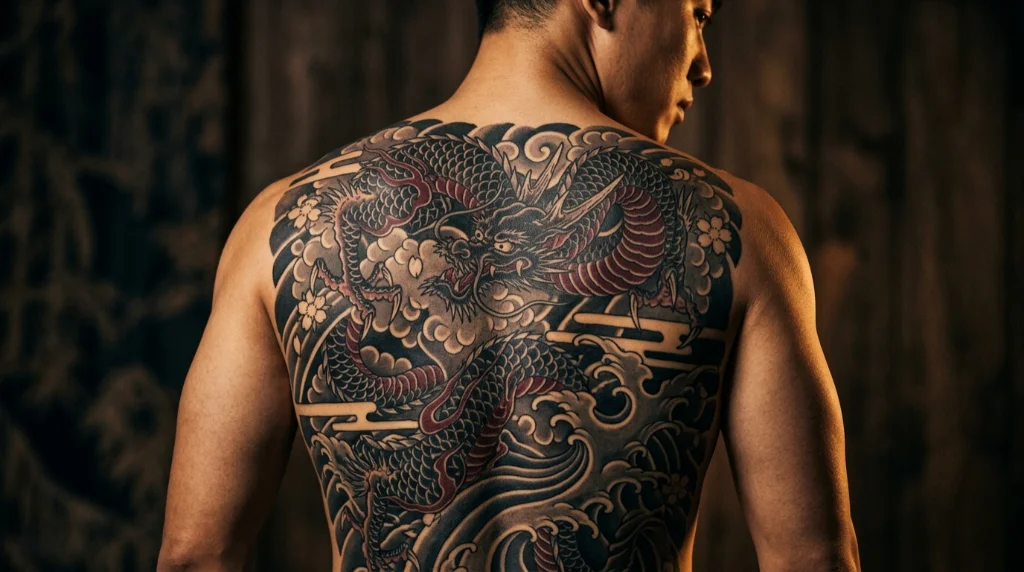
Few tattoo styles carry as much history and meaning as this one. Traditional Japanese tattoos blend mythology, craftsmanship, and centuries of cultural significance into every carefully placed line. This guide explores the symbolism, technique, and respect this art form genuinely deserves.
Whether you’re drawn to a single koi fish or considering a full body suit, understanding the tradition first matters enormously. Let’s explore what makes this style so profoundly different from passing trends.
The Centuries Old Art Form Hiding Beneath Modern Machine Needles
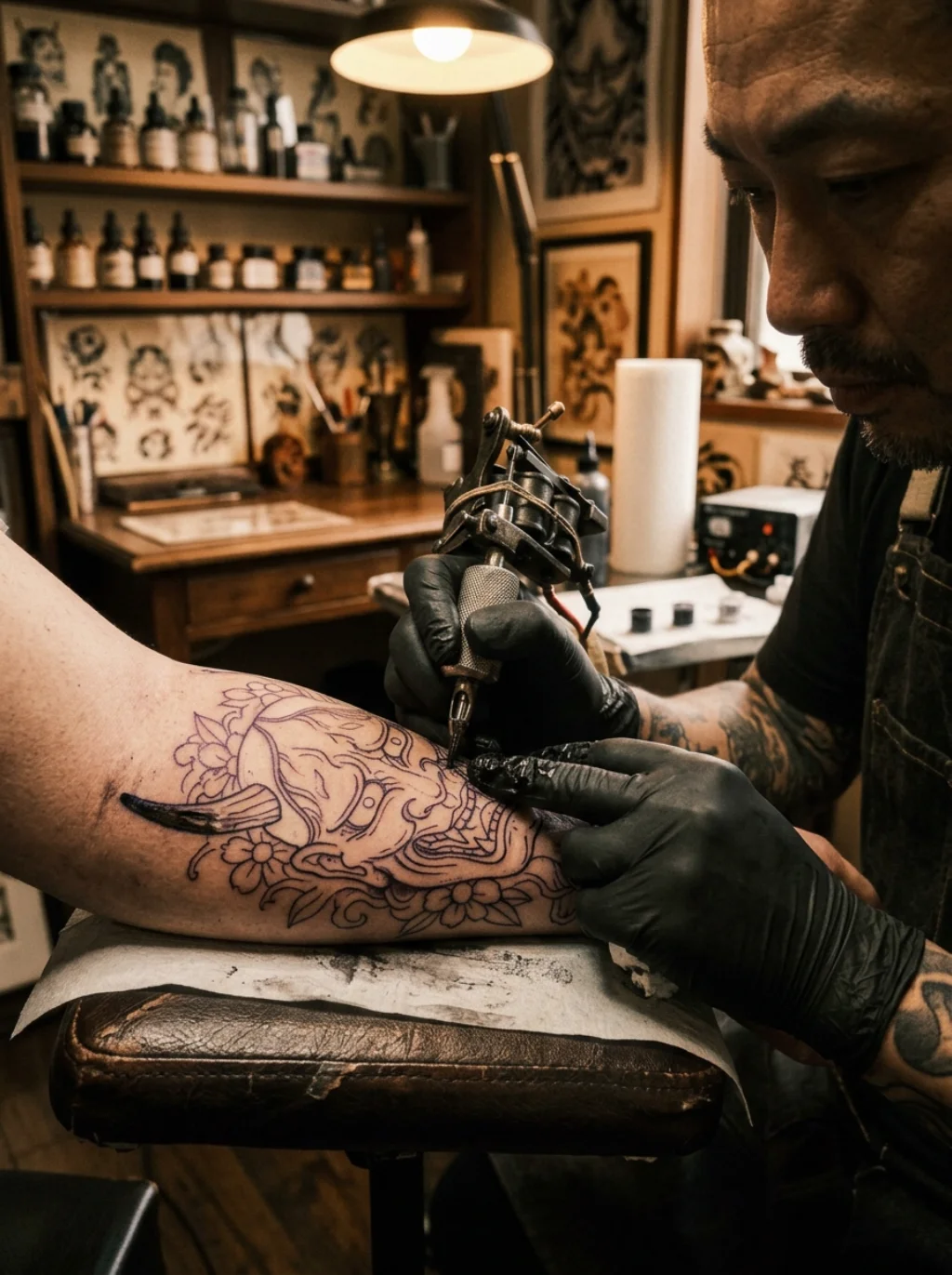
Modern machines now handle most tattoo work, yet this style’s roots stretch back centuries. Irezumi tattoo designs trace their origins to Edo period Japan, where woodblock print artistry heavily influenced early tattoo imagery. This connection remains visible in contemporary work even today.
This history reflects ancient cultural symbolism ink carried forward through generations of practicing artists. Traditional Japanese tattoo history explained properly requires acknowledging both artistic and social evolution over time. Understanding this foundation helps clients appreciate the depth behind seemingly simple design choices.
A Koi Fish Symbol That Means Far More Than Beauty Alone
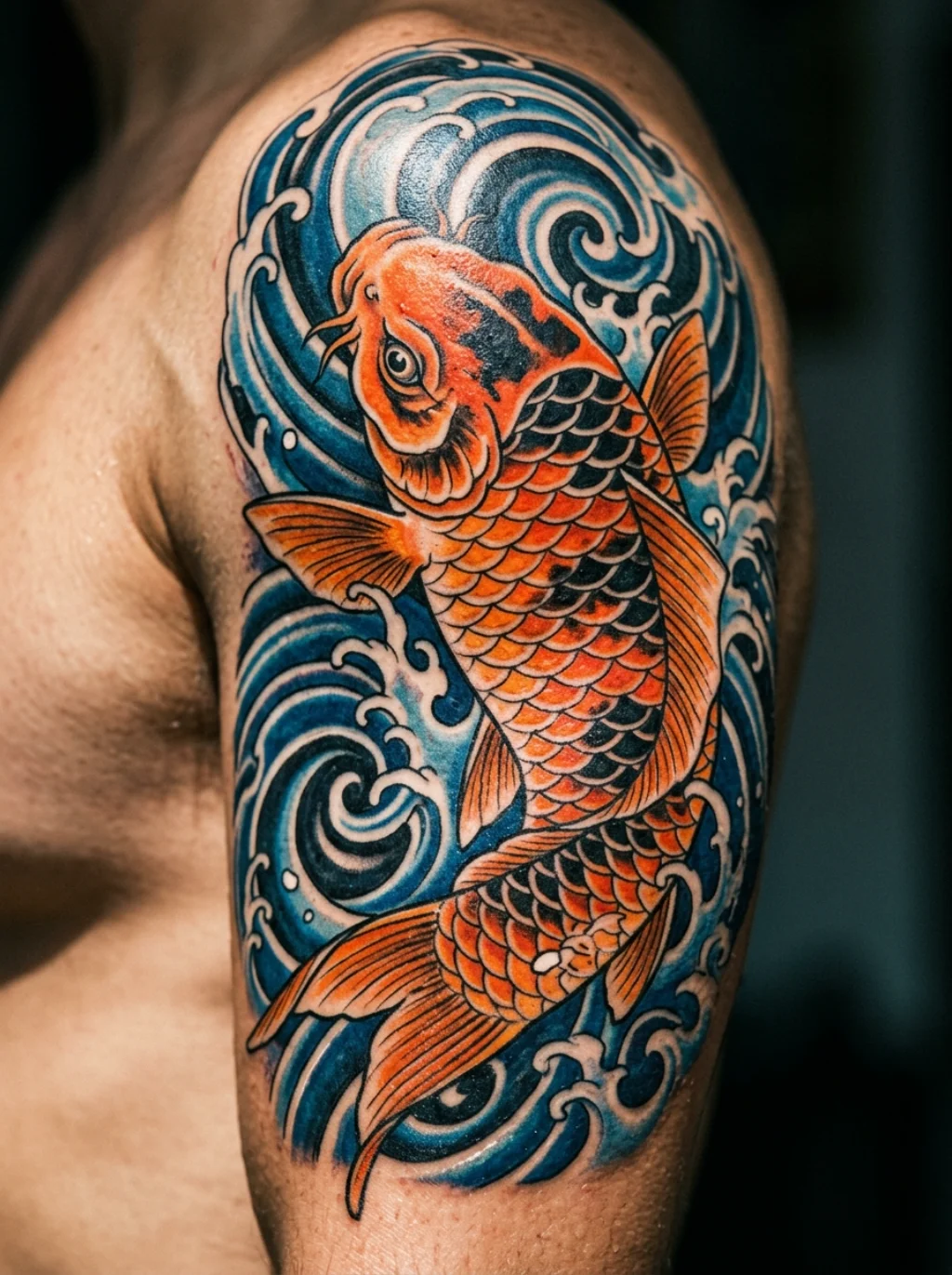
Koi fish rank among the most recognizable figures within this entire tattoo tradition. Koi fish tattoo meaning centers around perseverance, since legend describes koi swimming upstream against powerful currents. This symbolism resonates deeply with clients facing genuine personal struggle.
This figure reflects tattoo as personal transformation many collectors specifically seek when choosing this design. Traditional Japanese tattoo meaning explained through koi imagery often connects directly to overcoming adversity successfully. Choosing this symbol honors both aesthetic beauty and profound personal narrative simultaneously.
Why the Dragon Remains the Most Requested Figure in This Style
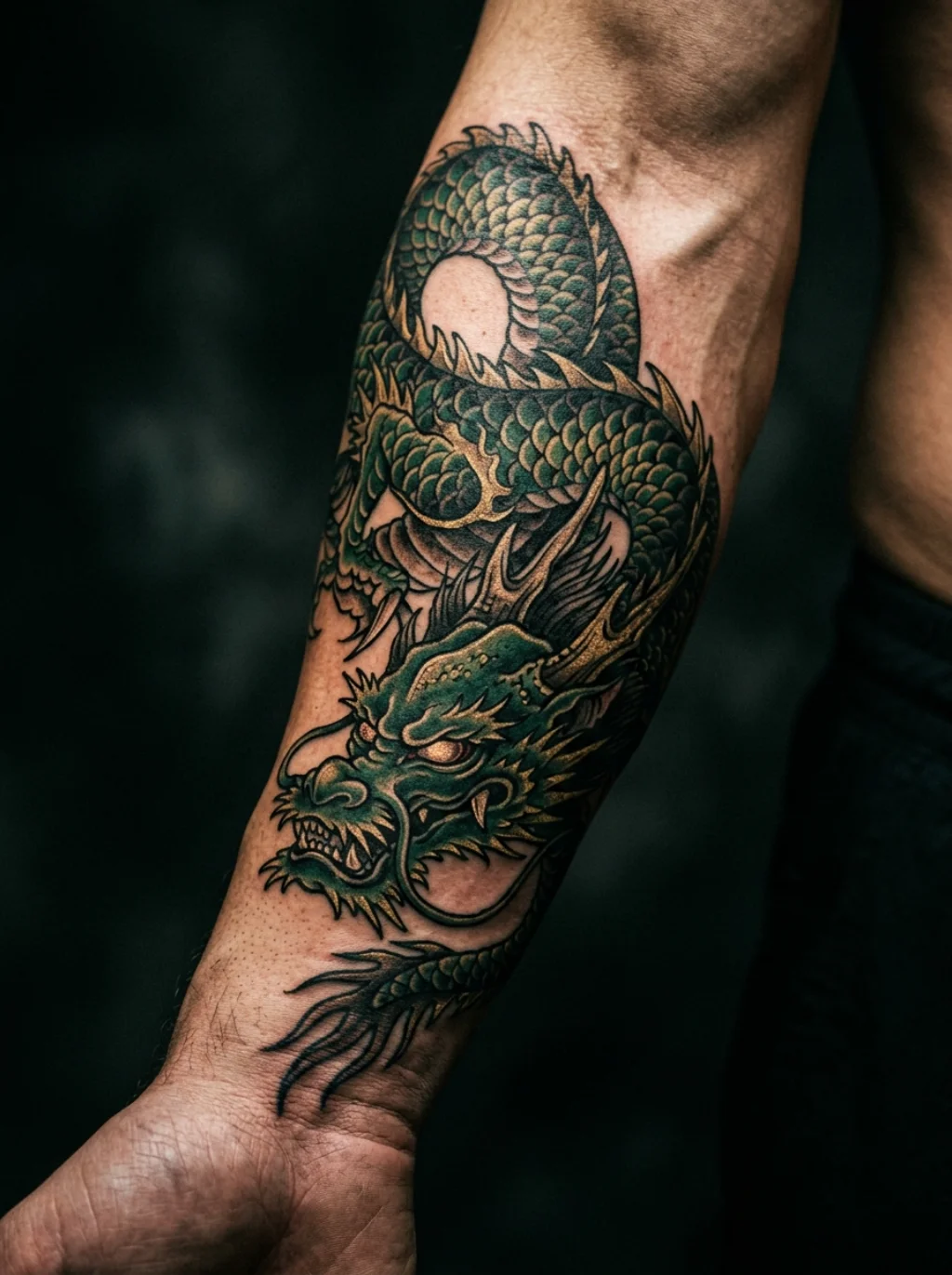
Dragons dominate requests within traditional Japanese tattooing for genuinely compelling reasons. Dragon tattoo japanese style designs represent wisdom, strength, and benevolent protective power within Japanese mythology specifically. Unlike Western dragon imagery, these creatures typically symbolize positive, guardian-like qualities.
This preference reflects mythology inspired body art connecting deeply with clients seeking powerful personal symbolism. Japanese sleeve tattoo ideas frequently center around dragon imagery as the dominant, anchoring visual element. This figure’s enduring popularity speaks to its rich, multifaceted symbolic meaning within the tradition.
The Hand Poked Method That Refuses to Disappear Despite Technology
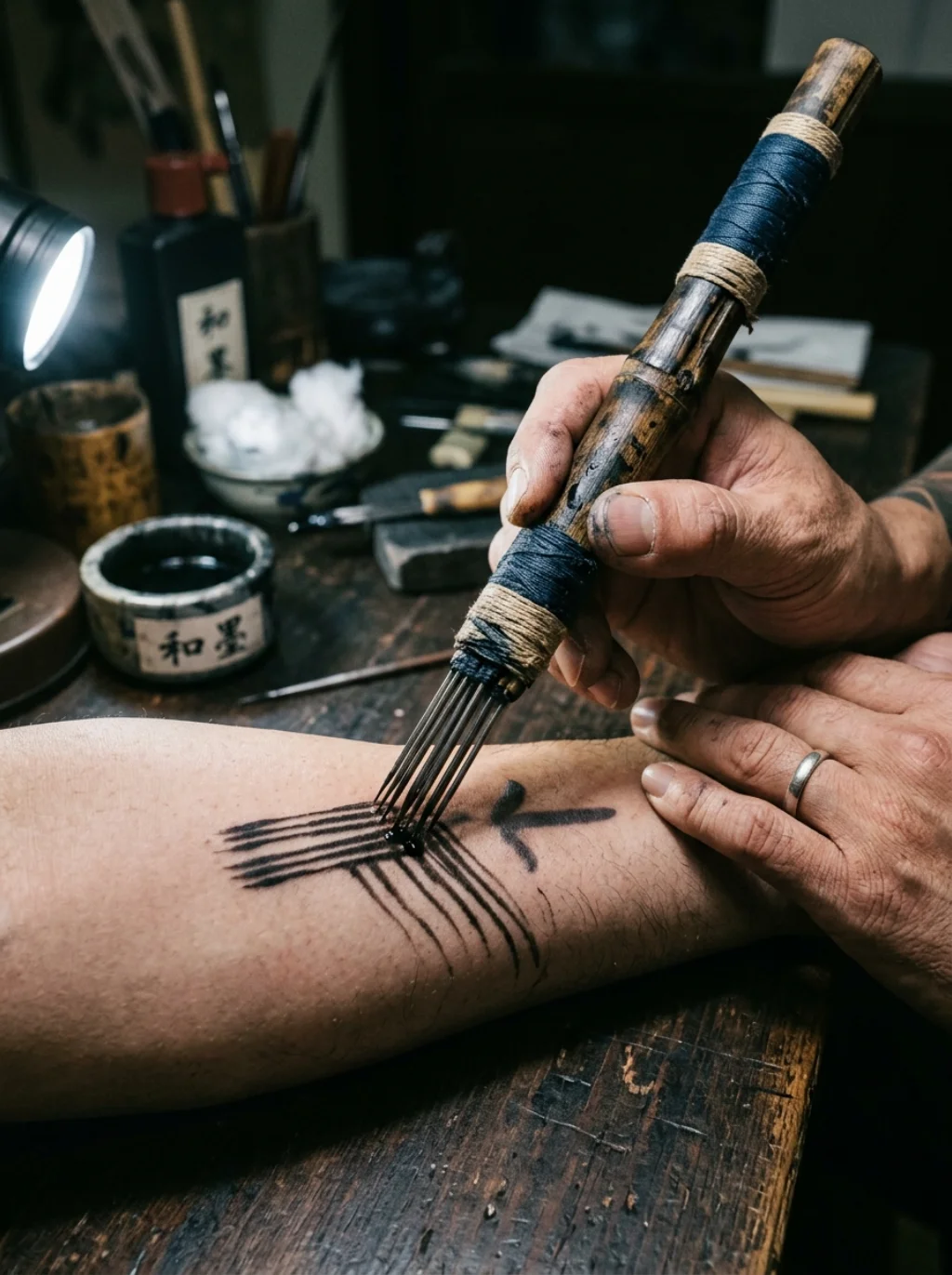
Hand poking technique remains remarkably persistent despite widespread availability of modern tattoo machines. Tebori tattoo technique uses traditional hand tools rather than electric equipment, creating a genuinely distinct texture. Many collectors specifically seek artists trained in this authentic, time-honored method.
This persistence reflects body art craftsmanship tradition many practitioners feel obligated to preserve carefully. Traditional Japanese tattoo tebori technique requires years of dedicated apprenticeship to master properly. This method’s survival demonstrates genuine cultural commitment beyond simple aesthetic preference alone.
Cherry Blossoms and the Fleeting Beauty They Permanently Preserve
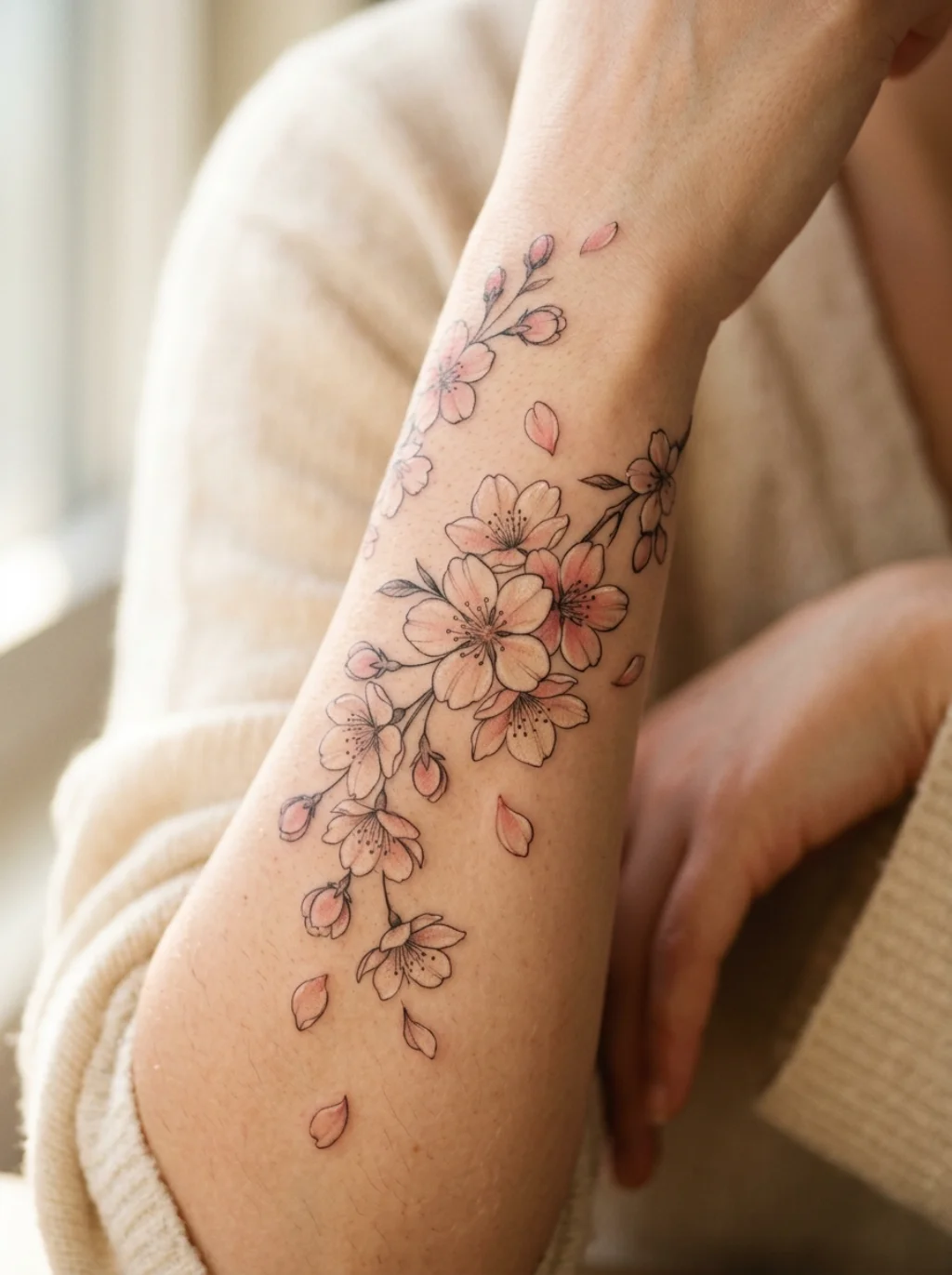
Cherry blossoms carry poignant symbolism centered around life’s inherently temporary, fleeting nature. Cherry blossom tattoo design choices represent beauty precisely because it doesn’t last forever, according to Japanese philosophical tradition. This paradox, permanent ink depicting impermanence, resonates deeply with many collectors.
This symbolism reflects tattoo as visual mythology blending nature imagery with genuine philosophical depth. Japanese peony tattoo designs often appear alongside cherry blossoms for additional layered symbolic meaning. Together, these floral elements create compositions rich with both visual beauty and contemplative significance.
The Mask That Terrifies and Protects in the Same Breath
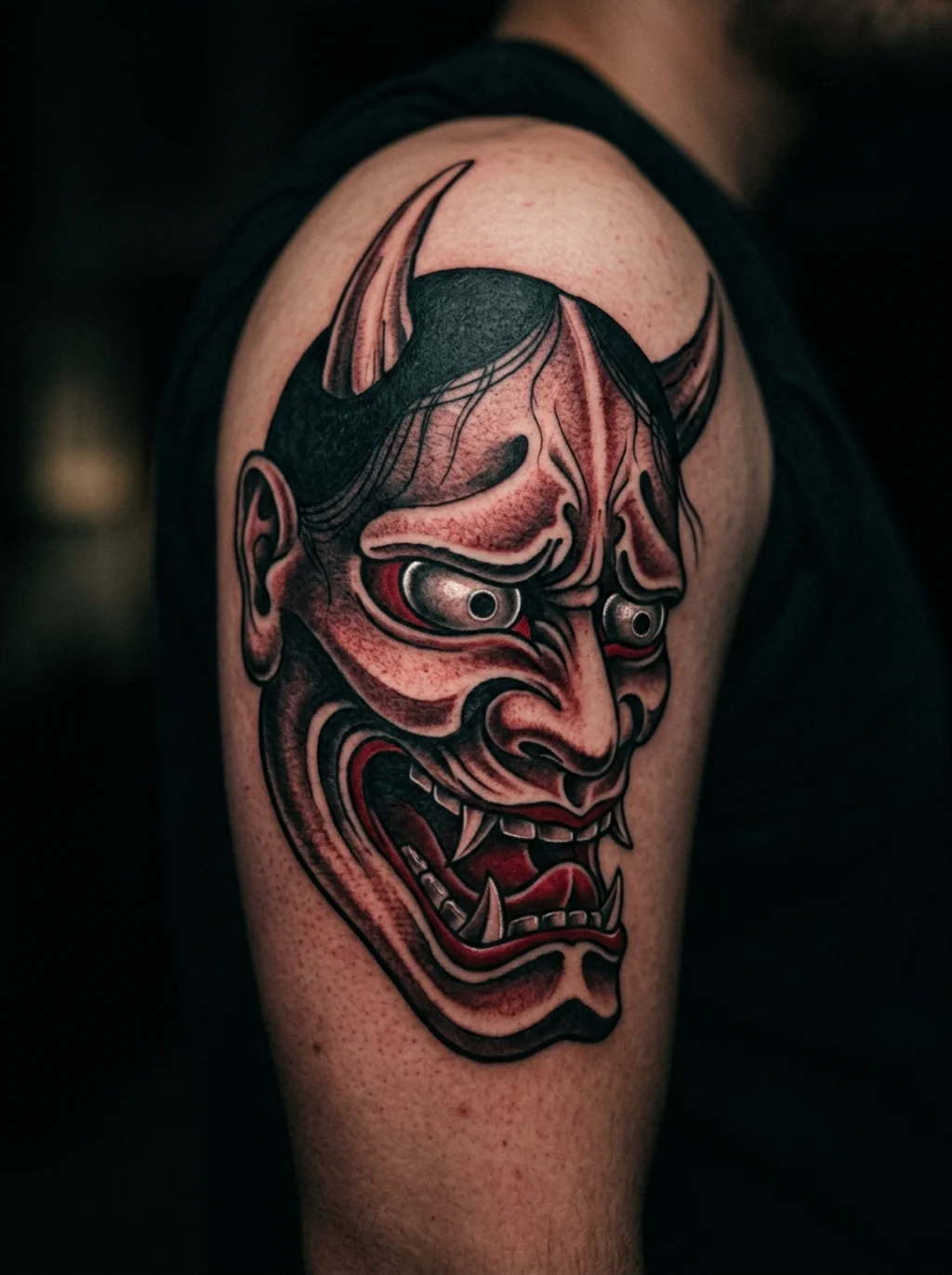
Certain mask imagery within this tradition intentionally balances fear and protection simultaneously. Hannya mask tattoo meaning represents a jealous, vengeful female spirit from traditional Japanese theater performances. Despite its frightening appearance, this figure often symbolizes transformation through genuine emotional struggle.
Oni mask tattoo meaning similarly balances demonic appearance with protective, guardian symbolism within folklore. This duality reflects tattoo as protective symbol thinking deeply embedded within Japanese spiritual tradition. These masks prove that frightening imagery can simultaneously carry deeply positive, protective significance.
Background Elements That Separate Amateur Attempts From Master Level Work
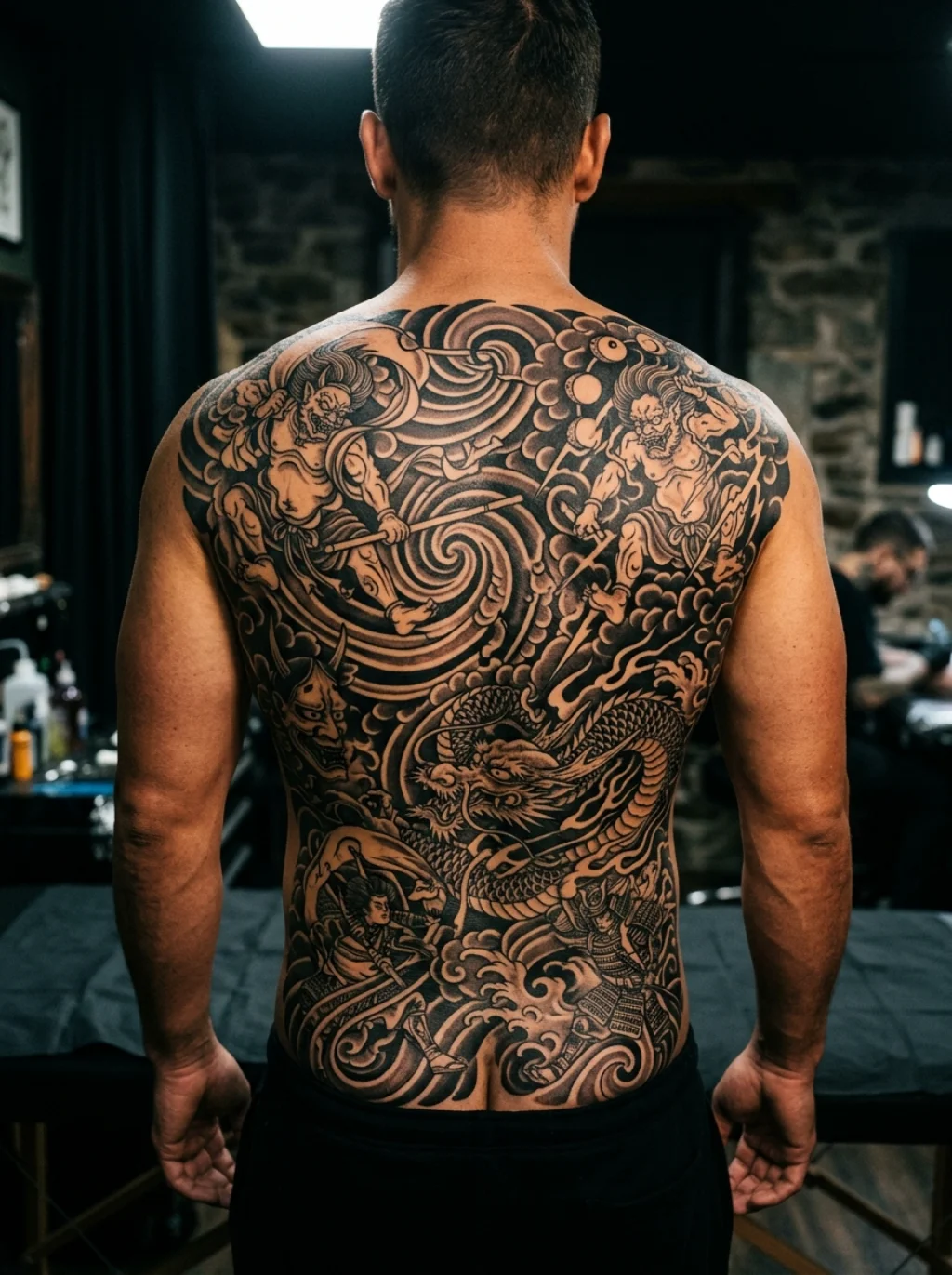
Background elements quietly separate genuinely skilled traditional work from amateur, disconnected attempts. Japanese tattoo background elements including clouds, wind bars, and water patterns unify entire compositions cohesively. Without these connecting elements, individual figures can look randomly scattered rather than intentionally composed.
you may also like this:22 Cousin Tattoo Ideas to Celebrate Your Lifelong Bond
This detail reflects body art craftsmanship tradition experienced artists prioritize throughout entire compositions consistently. Japanese tattoo outline style conventions dictate how these background elements should flow around central figures properly. Mastering this integration separates truly accomplished artists from those merely copying surface-level imagery.
Why Full Body Suits Represent the Ultimate Commitment in Tattooing
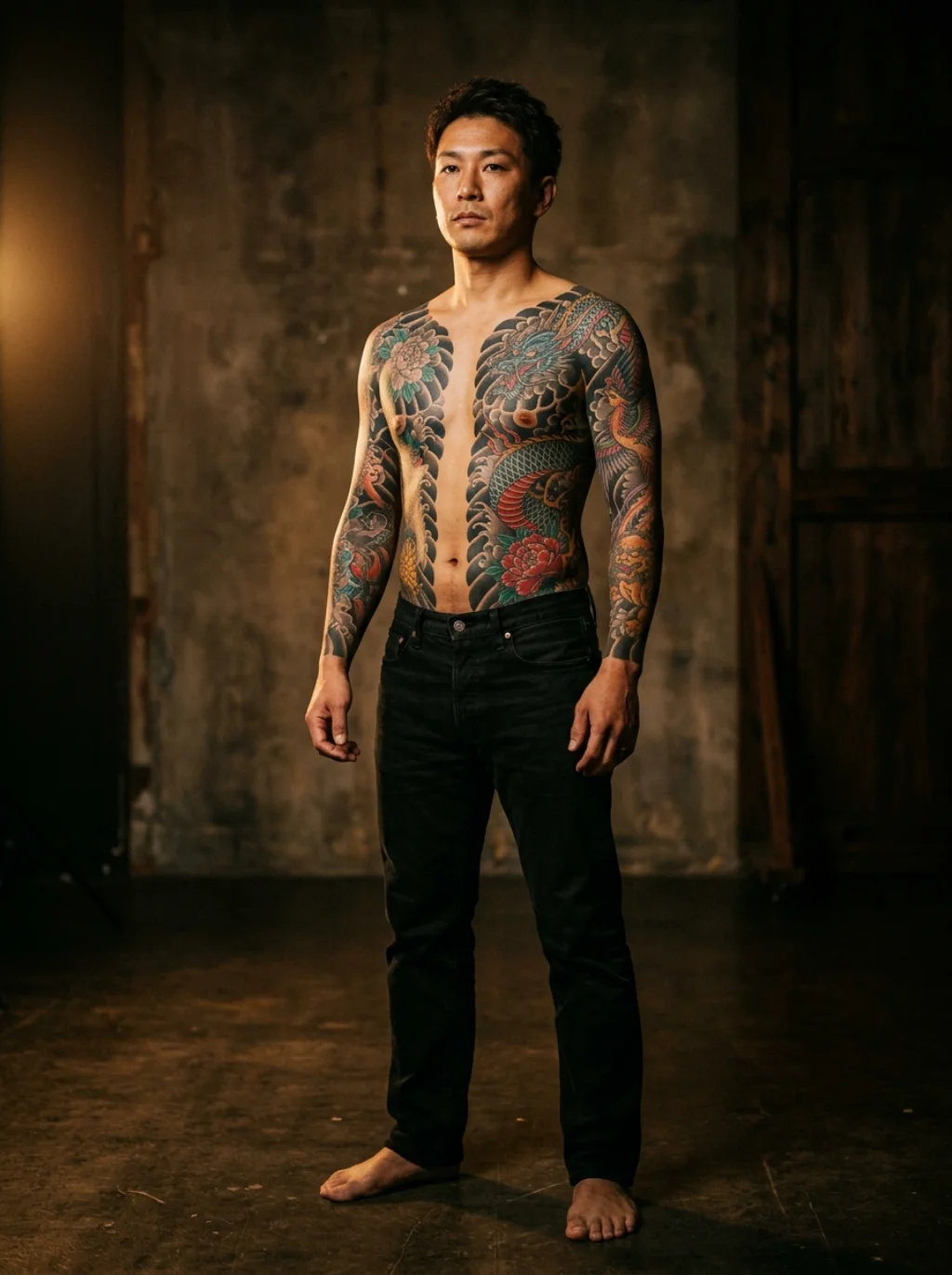
Full body suits represent the absolute pinnacle of commitment within traditional Japanese tattooing culture. Japanese tattoo full body suit designs cover the torso, arms, and legs in one unified, flowing composition. This undertaking requires years of dedication from both artist and client alike.
This commitment reflects tattoo lifelong commitment few other tattoo traditions demand quite so intensely. Traditional Japanese tattoo full body suit projects often span hundreds of individual hours across numerous sessions. This scale of dedication explains why full suits remain relatively rare even among devoted collectors.
The Color Palette Rules That Define This Entire Visual Language
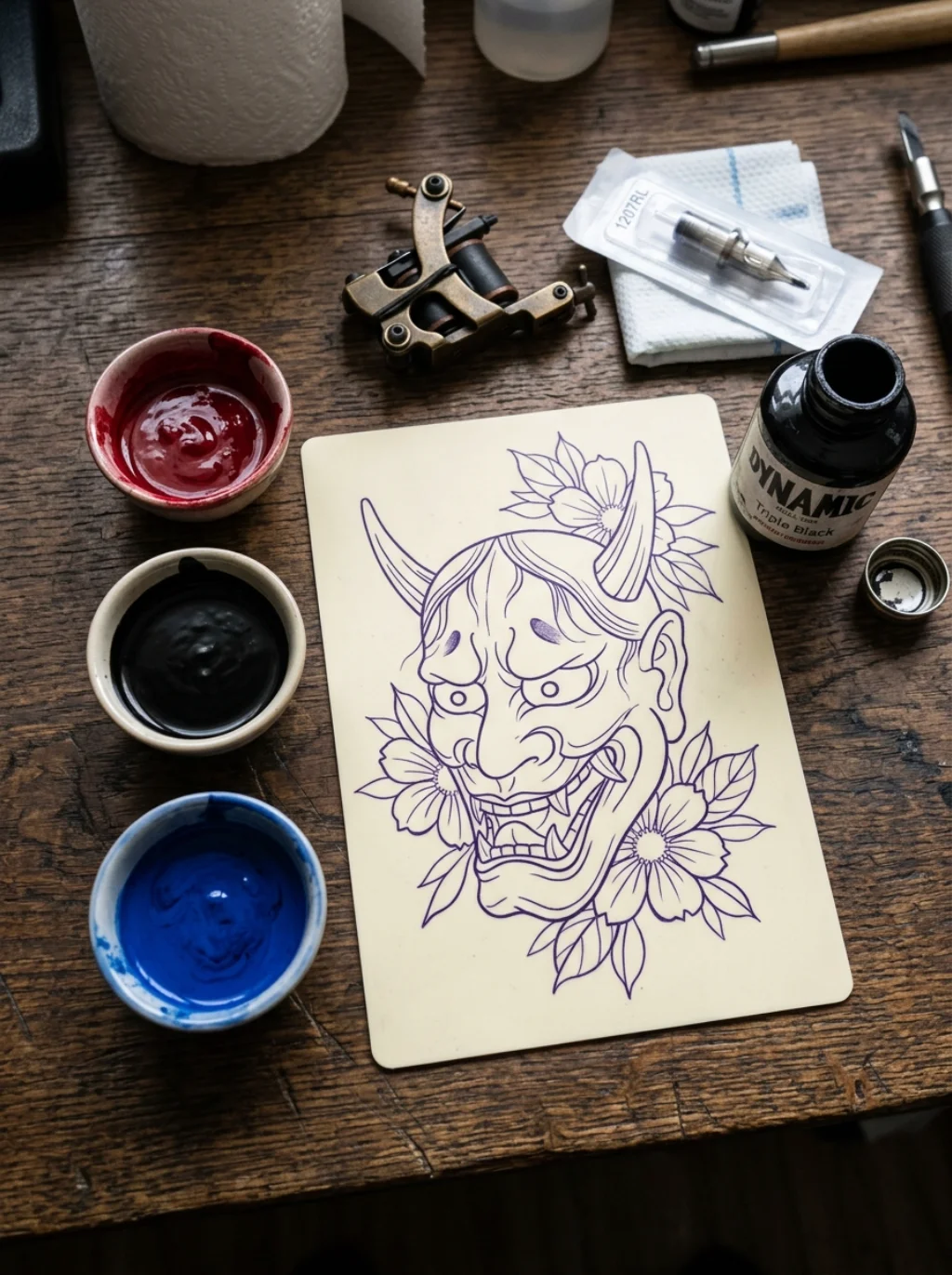
Color selection within this tradition follows genuinely specific, historically established conventions rather than arbitrary preference. Japanese tattoo color palette choices typically include deep blacks, vibrant reds, and rich blues applied in specific patterns. These colors carry symbolic weight beyond mere visual preference.
This system reflects cultural storytelling through skin where color choice communicates meaning alongside imagery itself. Traditional Japanese tattoo color meaning varies depending on which figure or element receives specific pigment treatment. Understanding these conventions helps clients appreciate the deeper intentionality behind seemingly simple color decisions.
A Tiger Versus Dragon Debate Every Client Eventually Encounters
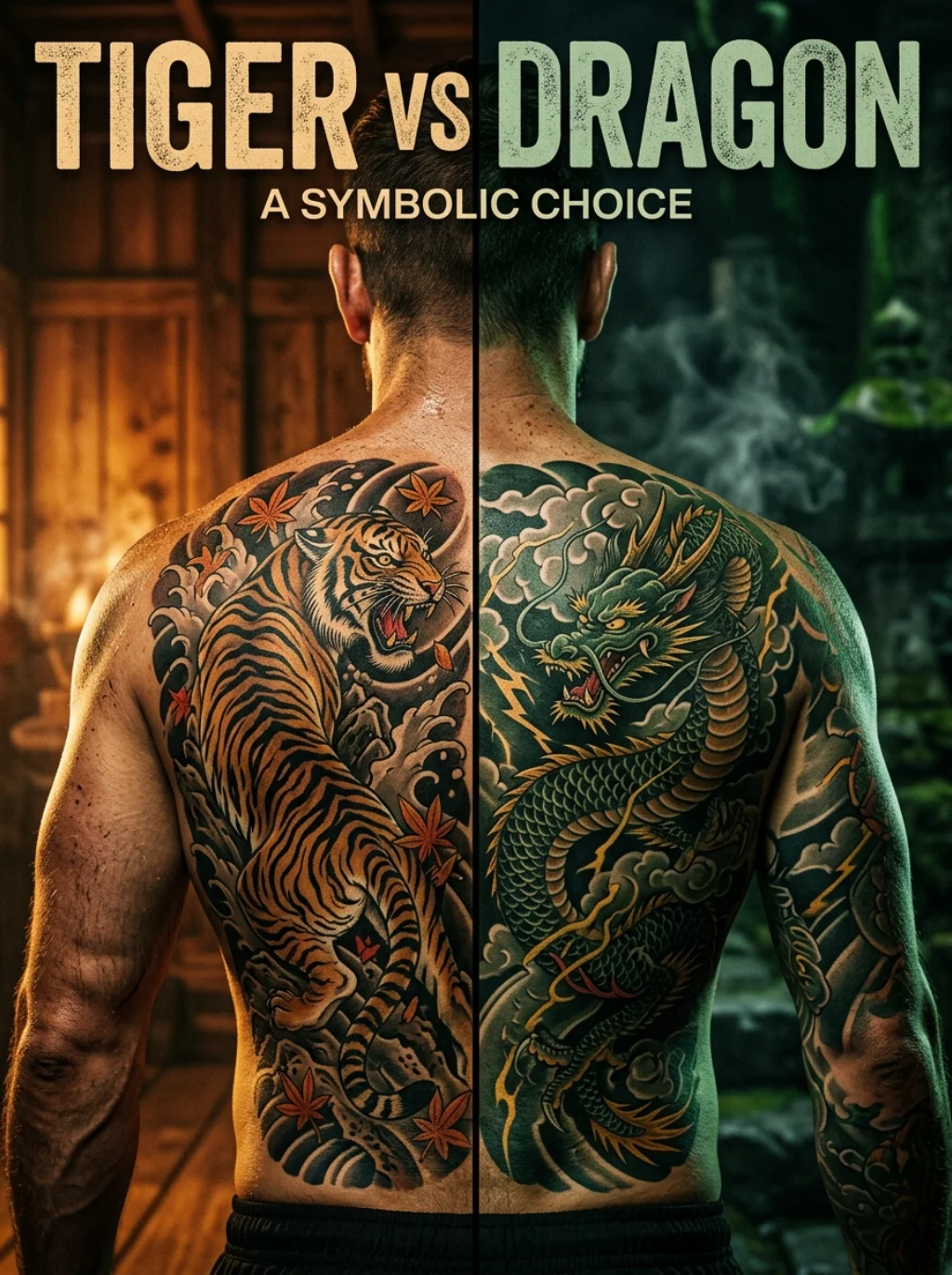
Choosing between tiger and dragon imagery involves genuinely distinct symbolic considerations worth understanding thoroughly. Japanese tiger tattoo design choices represent courage, strength, and protection against evil spirits specifically. Dragons instead emphasize wisdom and benevolent, guardian-like power within the tradition.
This decision often comes down to personal resonance rather than one option being objectively superior. Traditional Japanese tattoo symbolism guide resources typically present both figures as equally powerful, distinct choices. Some collectors ultimately choose both, incorporating them together within larger, comprehensive compositions.
The Apprenticeship Tradition Behind Every Master Level Artist Today
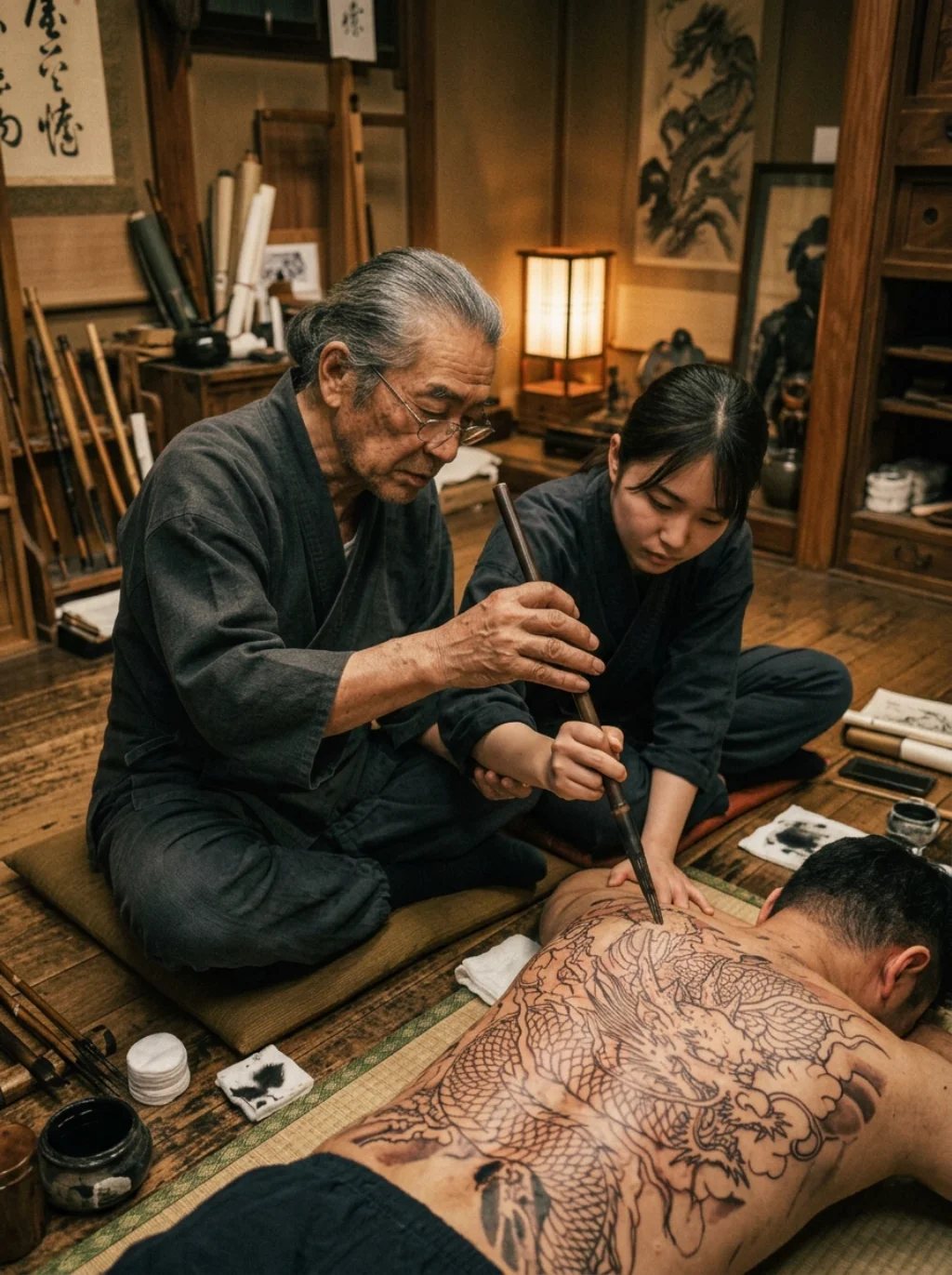
Master level artists within this tradition typically emerge from rigorous, multi-year apprenticeship programs. Tattoo apprenticeship tradition requires years of dedicated study under established masters before independent practice begins. This structure ensures genuine skill and cultural understanding transfer properly between generations.
This system reflects body art generational tradition many Western tattoo cultures simply don’t replicate as rigorously. Figures like Horiyoshi III tattoo master exemplify decades of dedicated study and practice within this exact system. This apprenticeship model protects both technical quality and genuine cultural authenticity over time.
Why This Style Carries Weight Far Beyond Simple Decoration

This tattoo tradition carries genuine cultural weight that distinguishes it from purely decorative body art. Tattoo storytelling tradition within Japanese culture connects individual pieces to broader mythology, history, and spiritual belief. This depth explains why collectors approach this style with particular reverence.
This significance reflects body art historical significance stretching back centuries within Japanese artistic tradition. Japanese tattoo cultural significance extends beyond individual meaning into broader questions of heritage and respect. Approaching this style thoughtfully honors both its artistic beauty and its profound cultural roots.
The Cultural Appropriation Conversation Every Client Should Understand First

Cultural appropriation concerns deserve genuine consideration before committing to this specific tattoo tradition. Traditional Japanese tattoo cultural appropriation conversations should address respectful representation versus superficial trend-following behavior. Understanding symbolism properly demonstrates genuine respect rather than careless cultural borrowing.
This consideration reflects cultural respect through ink many thoughtful collectors prioritize before booking sessions. Choosing an artist knowledgeable about Japanese tattoo cultural significance helps ensure respectful, informed representation throughout the process. This awareness protects both the tradition’s integrity and the client’s genuine intention.
Waves That Symbolize Strength Against Life’s Most Difficult Currents
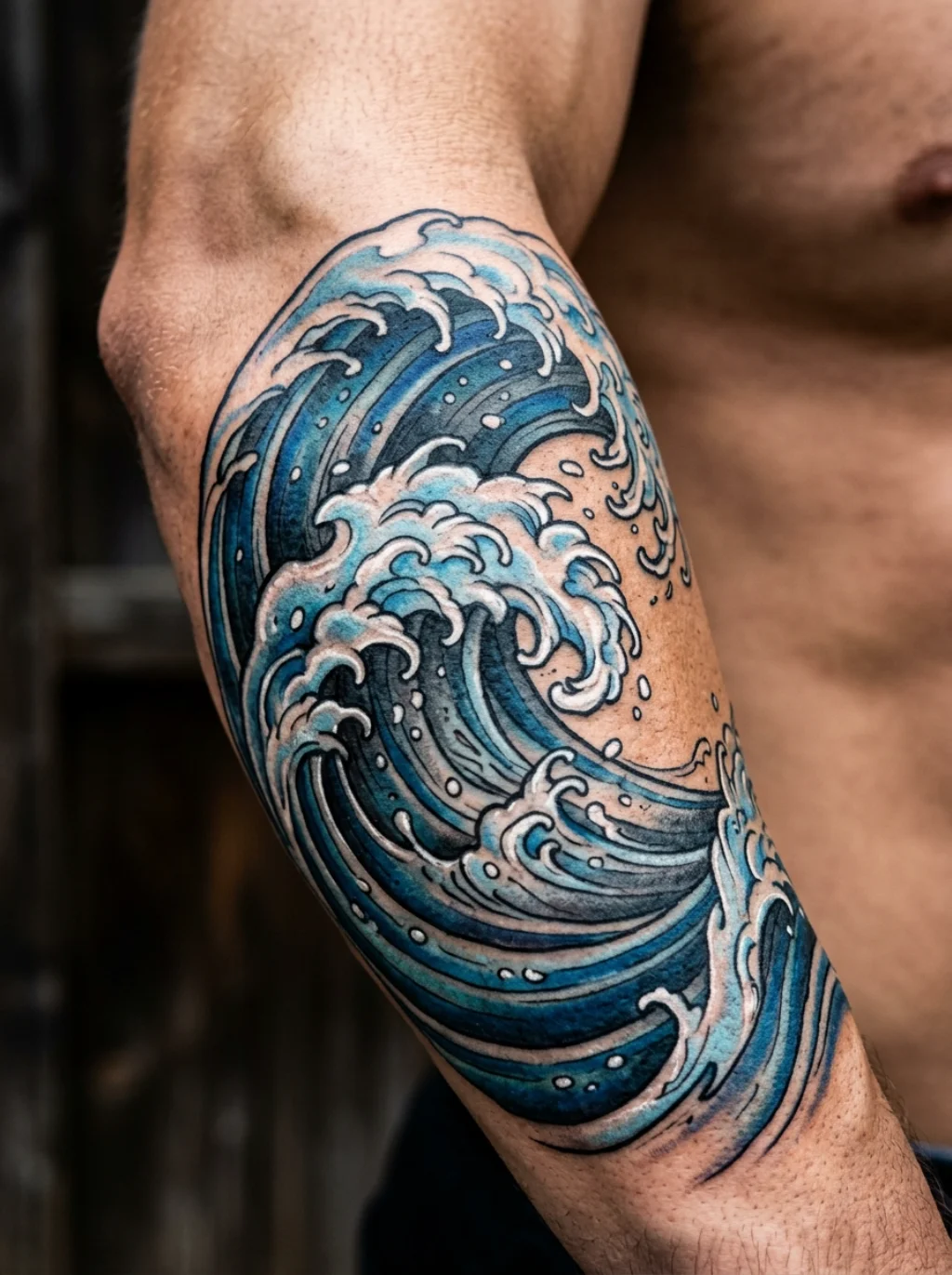
Wave imagery within this tradition carries powerful symbolism connected to resilience and life’s inevitable challenges. Japanese wave tattoo design choices, inspired heavily by famous woodblock prints, represent strength against overwhelming, difficult circumstances. This imagery pairs particularly well with koi fish compositions symbolically.
This symbolism reflects tattoo as living history, connecting contemporary collectors with centuries-old artistic tradition directly. Ukiyo-e art influence remains visible throughout modern wave tattoo compositions created by skilled traditional artists today. This connection between historical printmaking and tattooing demonstrates genuine artistic continuity across centuries.
The Placement Rules That Honor Centuries of Established Tradition
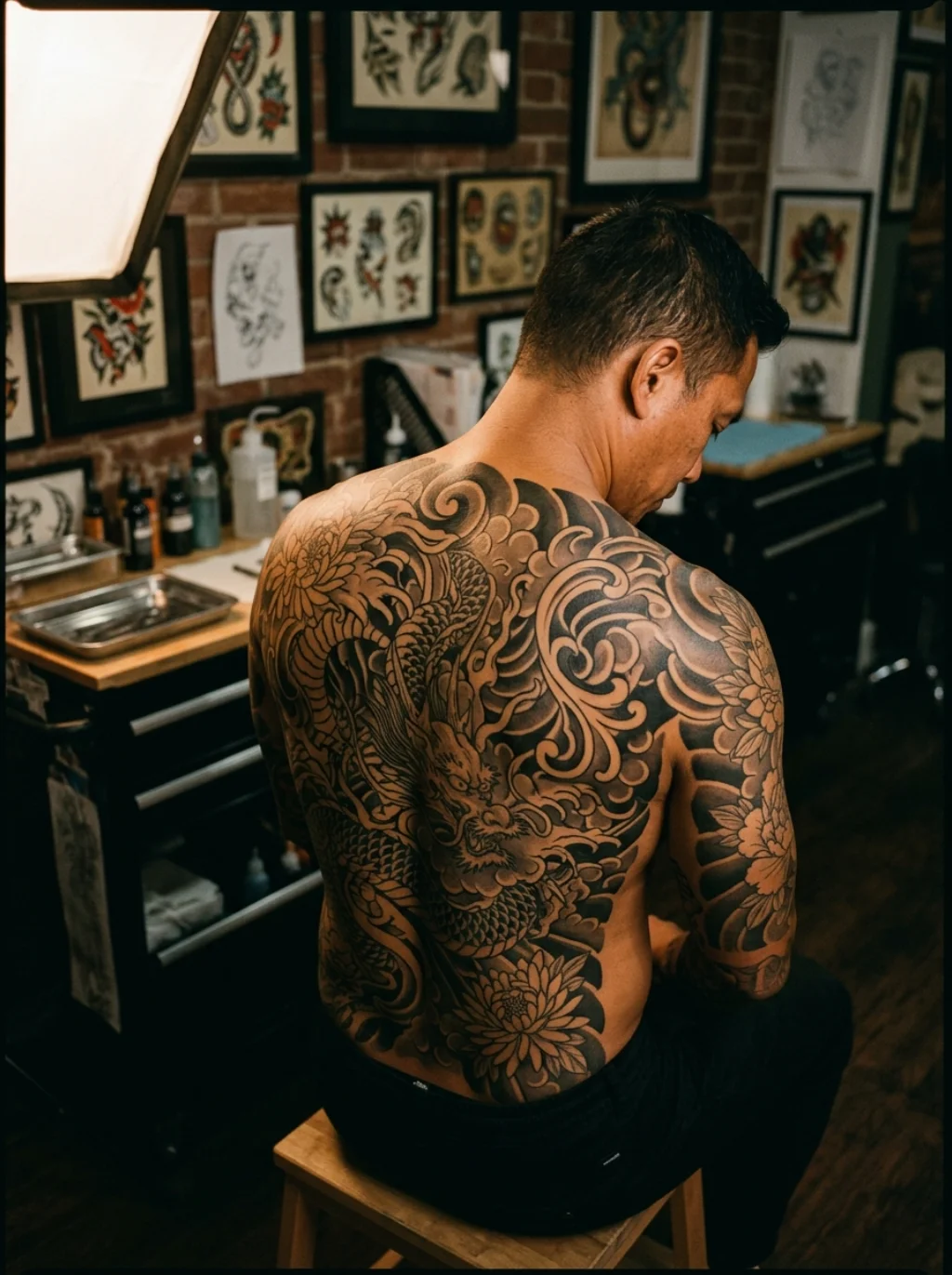
Placement within traditional Japanese tattooing follows established conventions developed over many generations of practice. Japanese tattoo placement guide recommendations typically favor larger canvases like the back, chest, or full sleeve. These placements accommodate the flowing, comprehensive compositions this style traditionally demands.
This convention reflects artistic heritage preservation many collectors specifically want to honor through their placement choices. Traditional Japanese tattoo placement ideas should always consider how individual pieces will eventually connect within larger compositions. Thoughtful placement planning prevents disconnected, poorly integrated work later during larger projects.
Why Japan’s Own Relationship With Tattoos Remains Deeply Complicated
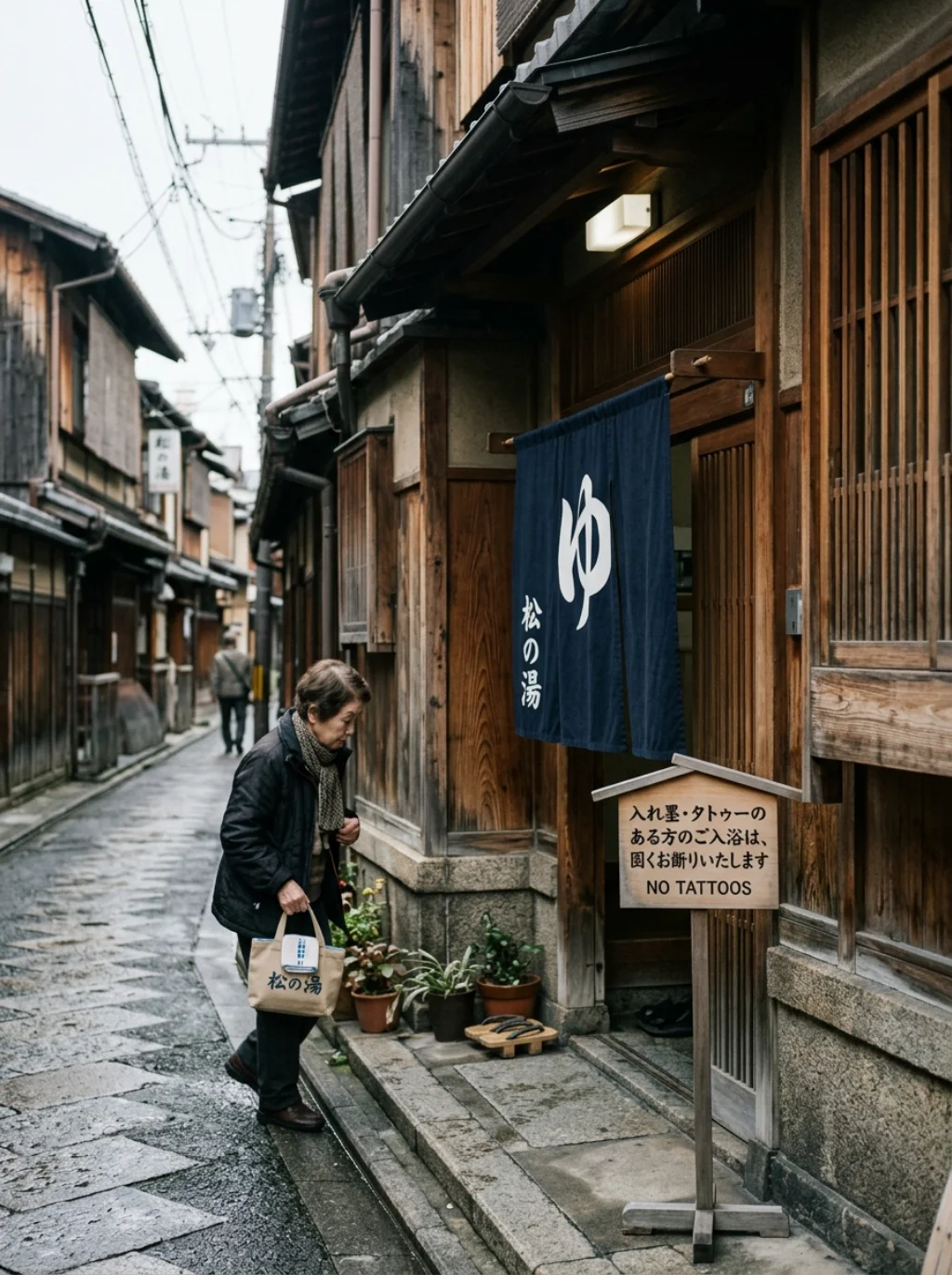
Japan’s domestic relationship with tattoo culture remains genuinely complicated despite the art form’s rich history. Yakuza tattoo history created lasting stigma, since organized crime groups historically used elaborate body suits as identifying marks. This association still influences public perception significantly within Japan today.
This complexity reflects Japanese onsen tattoo policy restrictions that still exist at many traditional bathhouses nationwide. Japanese tattoo ban history during certain historical periods further complicated the art form’s domestic reputation over time. Understanding this context helps international collectors appreciate the tradition’s complicated homeland relationship.
A Phoenix Rising That Represents Rebirth After Genuine Struggle
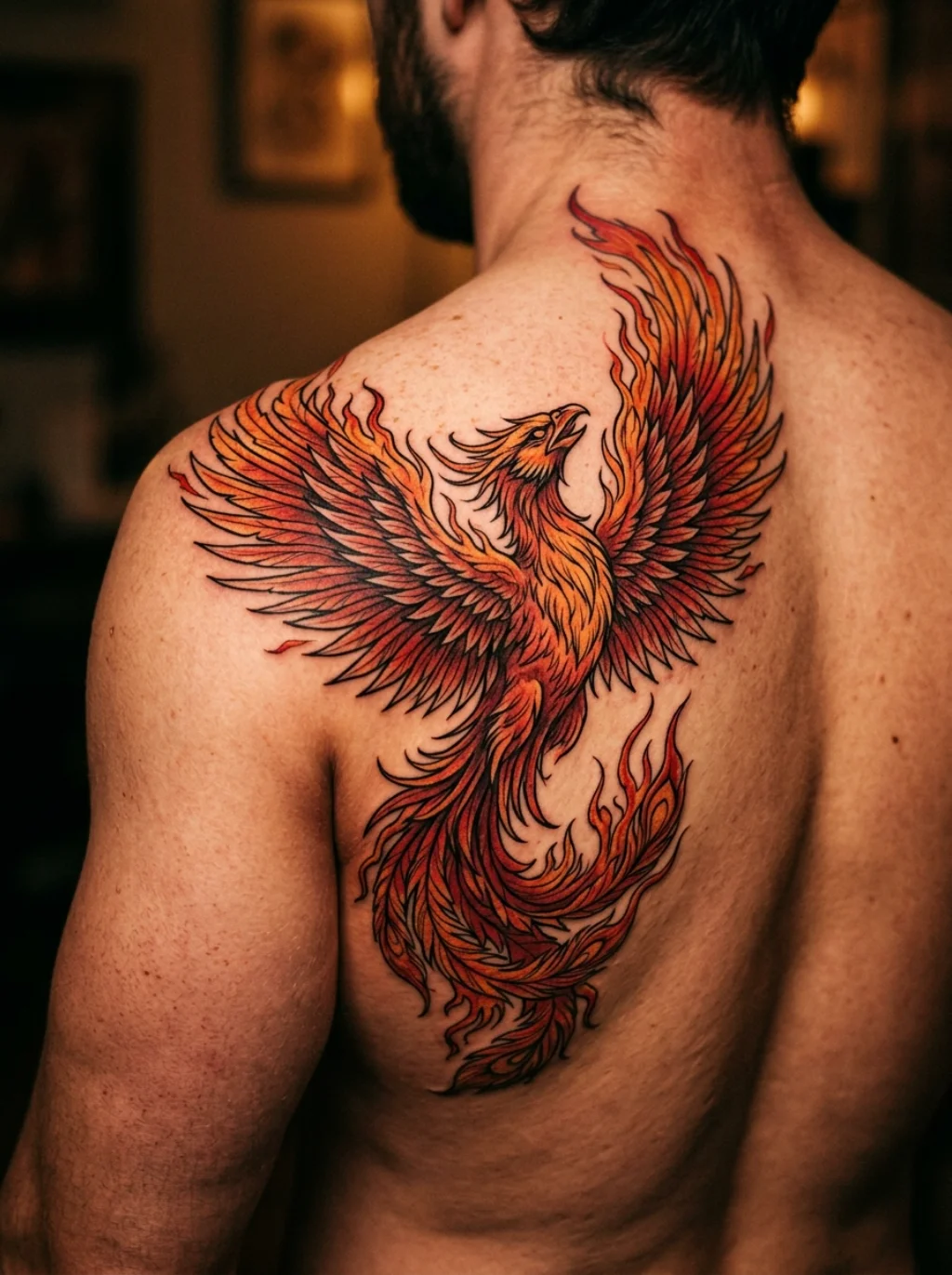
Phoenix imagery within this tradition specifically represents rebirth and renewal following significant personal hardship. Phoenix tattoo japanese style designs typically feature dramatic, flame-adjacent coloring and dynamic, upward-reaching compositions. This figure resonates strongly with collectors marking major life transitions or recoveries.
This symbolism reflects tattoo as identity anchor many collectors specifically seek during transformative life periods. Snake tattoo japanese meaning sometimes appears alongside phoenix imagery, representing transformation and renewed wisdom together. These combined figures create powerful, deeply personal compositions worth genuine consideration.
The Sleeve Commitment That Takes Years Rather Than Single Sessions
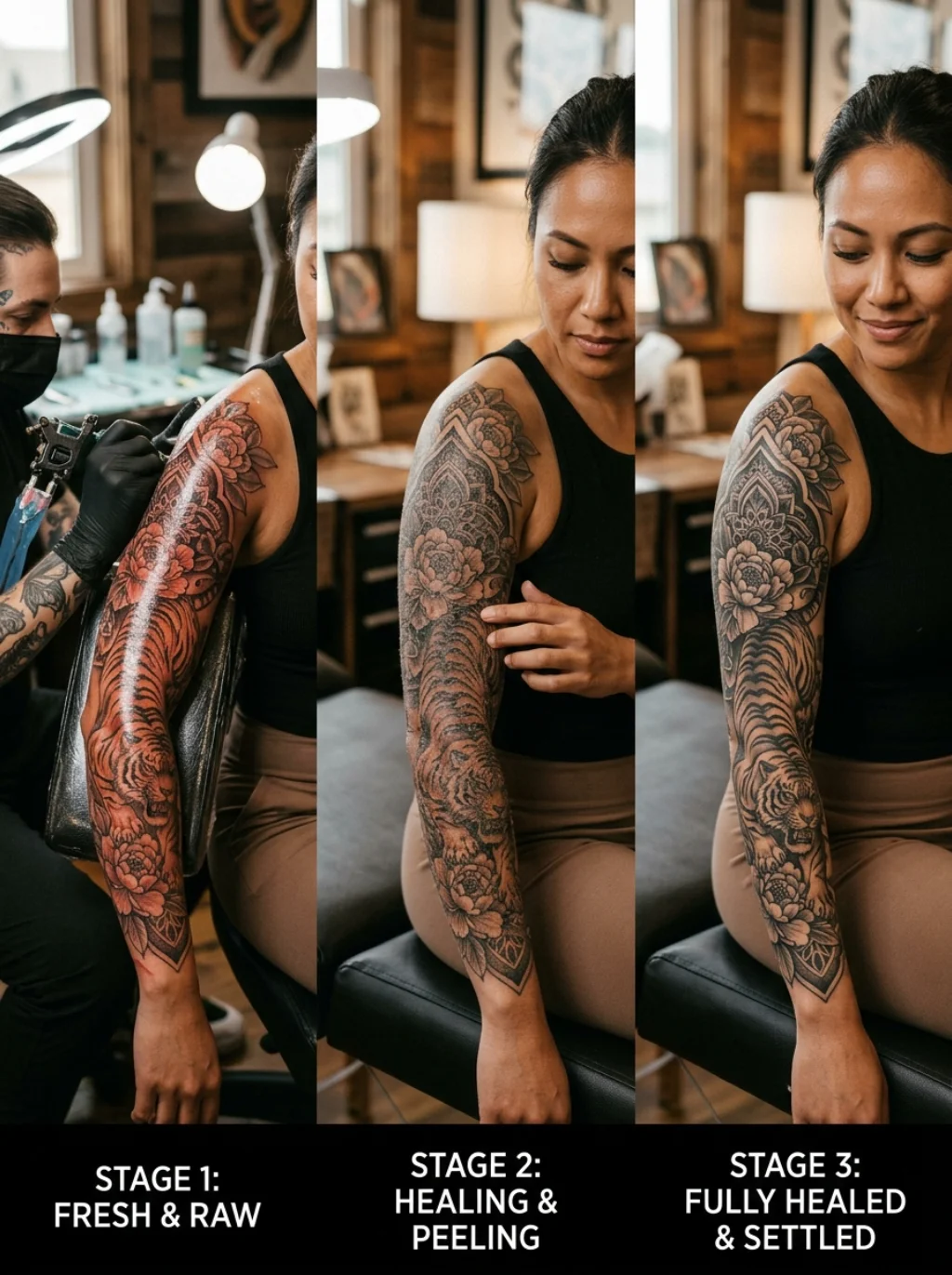
Sleeve commitments within this tradition genuinely require years rather than single, isolated sessions. Traditional Japanese tattoo sleeve design work typically progresses gradually, allowing proper healing between extensive sessions. This patient approach reflects the tradition’s emphasis on quality over rushed completion.
This timeline reflects tattoo craftsmanship mastery taking genuine precedence over speed within this artistic tradition. Traditional Japanese tattoo back piece projects follow similarly extended timelines for comparable quality reasons. Patience throughout this process ultimately produces significantly more cohesive, professionally executed final results.
Finding a Master Artist Who Respects This Tradition Properly

Finding a genuinely qualified artist matters enormously given this tradition’s technical and cultural complexity. Traditional Japanese tattoo artist recommendations should prioritize portfolios demonstrating authentic training and demonstrated cultural understanding specifically. Researching traditional Japanese tattoo studio recommendations in cities like Tokyo, Los Angeles, or New York helps identify qualified practitioners.
This research reflects tattoo cultural authenticity genuinely concerned collectors prioritize before booking any session. Traditional Japanese tattoo Pinterest ideas and traditional Japanese tattoo Instagram inspiration help identify artists whose portfolio demonstrates genuine mastery. Taking time here protects both the investment and the tradition’s continued integrity.
The Pain Reality Behind Extensive, Multi Session Traditional Work
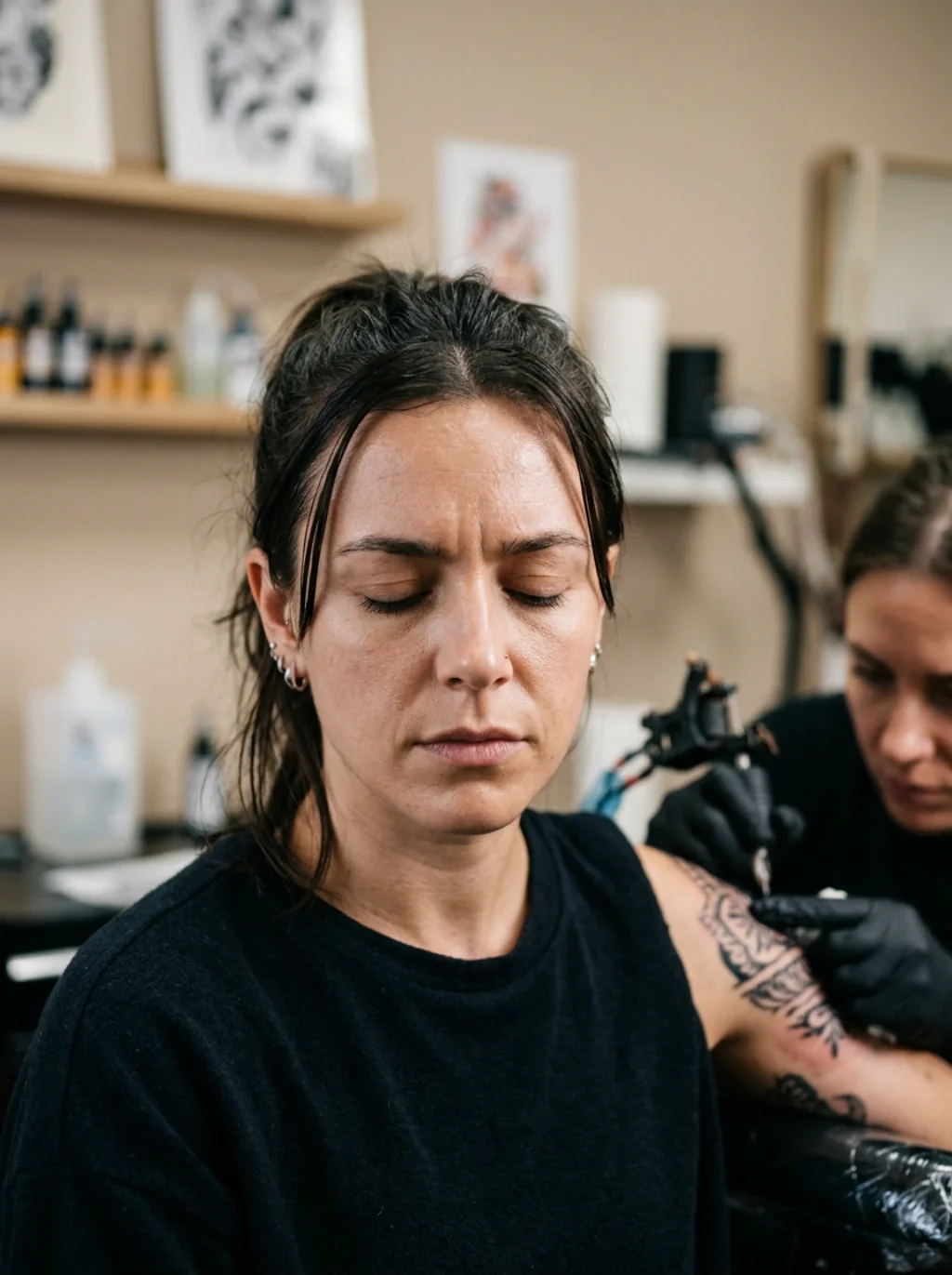
Pain expectations deserve honest discussion given how extensive traditional Japanese work typically becomes. Traditional Japanese tattoo pain level varies by placement, though larger pieces inevitably involve extended, cumulative discomfort across sessions. Ribs and inner arm areas generally rank among the more sensitive placement choices.
| Placement | Relative Pain Level |
|---|---|
| Outer arm | Moderate |
| Back | Low to moderate |
| Ribs | High |
| Inner thigh | High |
Understanding traditional Japanese tattoo healing time between sessions helps clients plan realistically for extended projects.
Aftercare Rituals That Protect Decades of Careful, Detailed Work
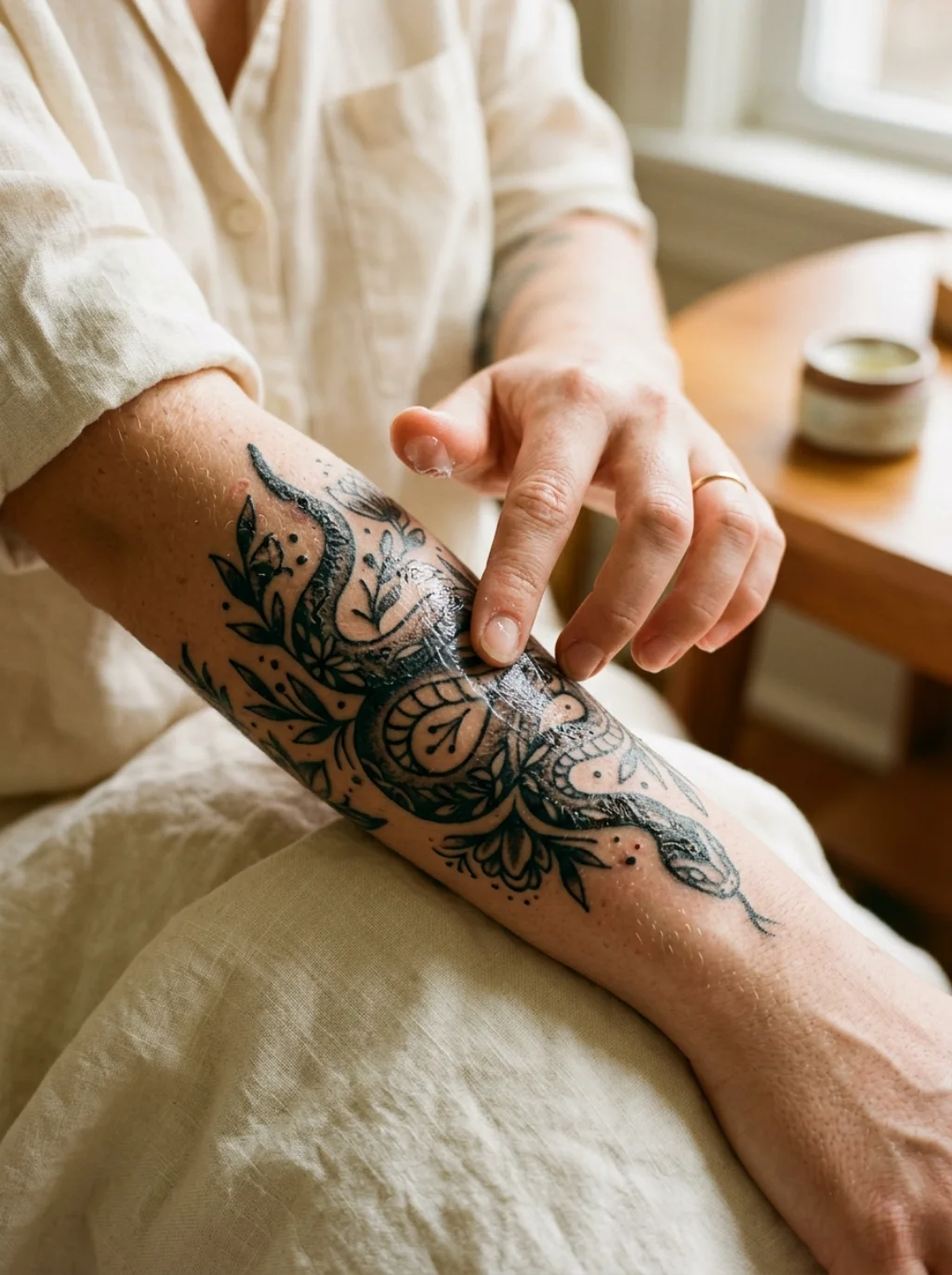
Aftercare deserves serious attention given how much time and investment traditional pieces genuinely represent. Traditional Japanese tattoo aftercare tips include gentle cleansing, consistent moisturizing, and diligent sun protection throughout the healing process. Skipping these steps risks compromising years of accumulated detailed work.
This routine reflects body art meditative practice many collectors adopt as genuine ongoing self care ritual. Traditional Japanese tattoo touch up sessions periodically refresh color saturation, protecting the piece’s visual impact over decades. Consistent, careful maintenance honors both the financial and emotional investment this tradition demands.
Modern Interpretations Blending Old Symbolism With Contemporary Technique
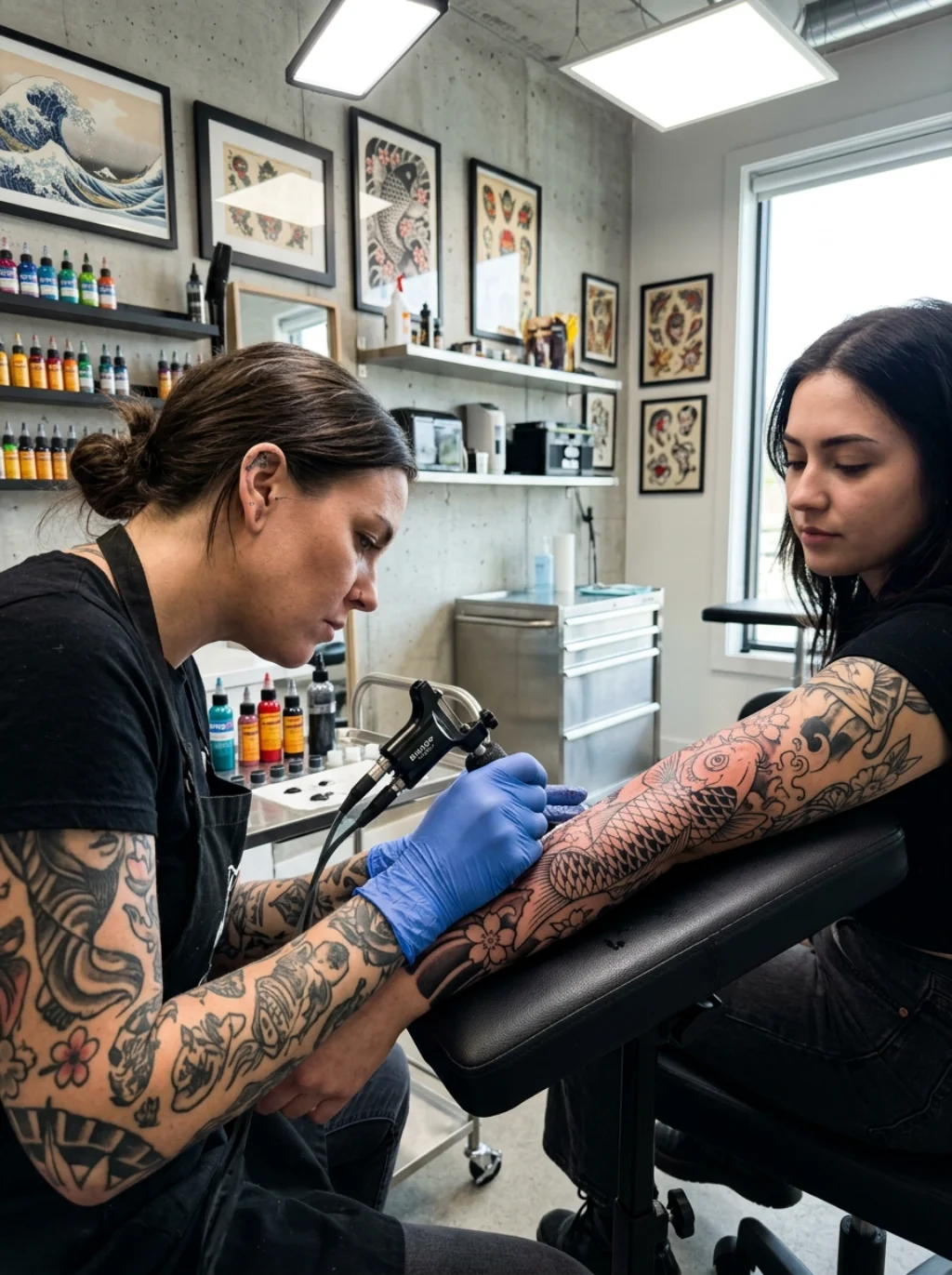
Contemporary artists increasingly blend traditional symbolism with modern technical approaches and fresh compositional ideas. Traditional Japanese tattoo modern machine techniques now coexist alongside authentic hand-poked methods within many respected studios today. This blending reflects genuine artistic evolution rather than abandonment of tradition entirely.
This evolution reflects tattoo cultural exchange happening naturally as this art form spreads internationally beyond Japan. American traditional tattoo crossover influences occasionally appear within contemporary Japanese-style compositions, creating genuinely hybrid artistic approaches. This blending demonstrates how living traditions naturally evolve while still honoring foundational principles.
Frequently Asked Questions
What do koi fish tattoos symbolize in Japanese tradition?
Koi fish typically represent perseverance, strength, and the ability to overcome adversity through determined effort.
Is tebori different from machine tattooing?
Yes, tebori uses hand tools rather than electric machines, creating a distinct texture and application process entirely.
How long does a full traditional Japanese tattoo take to complete?
Full body suits can take several years, often requiring hundreds of hours across numerous individual sessions.
Are traditional Japanese tattoos culturally sensitive to get?
Understanding symbolism and choosing a knowledgeable artist helps ensure respectful representation of this rich cultural tradition.
Why are tattoos still controversial in parts of Japan?
Historical associations with organized crime groups created lasting stigma, though attitudes continue slowly shifting over time.
Conclusion
Traditional Japanese tattoos represent far more than striking visual design, carrying centuries of mythology, symbolism, and craftsmanship within every carefully placed line. Each element, from koi fish to dragons to cherry blossoms, reflects tattoo cultural reverence rooted in genuine cultural significance.
Choosing this art form thoughtfully, with respect for its origins, honors both the artist’s skill and the tradition itself. For those drawn to permanent storytelling, this style offers artistic devotion through ink that few other tattoo traditions can genuinely match.
1 Comment